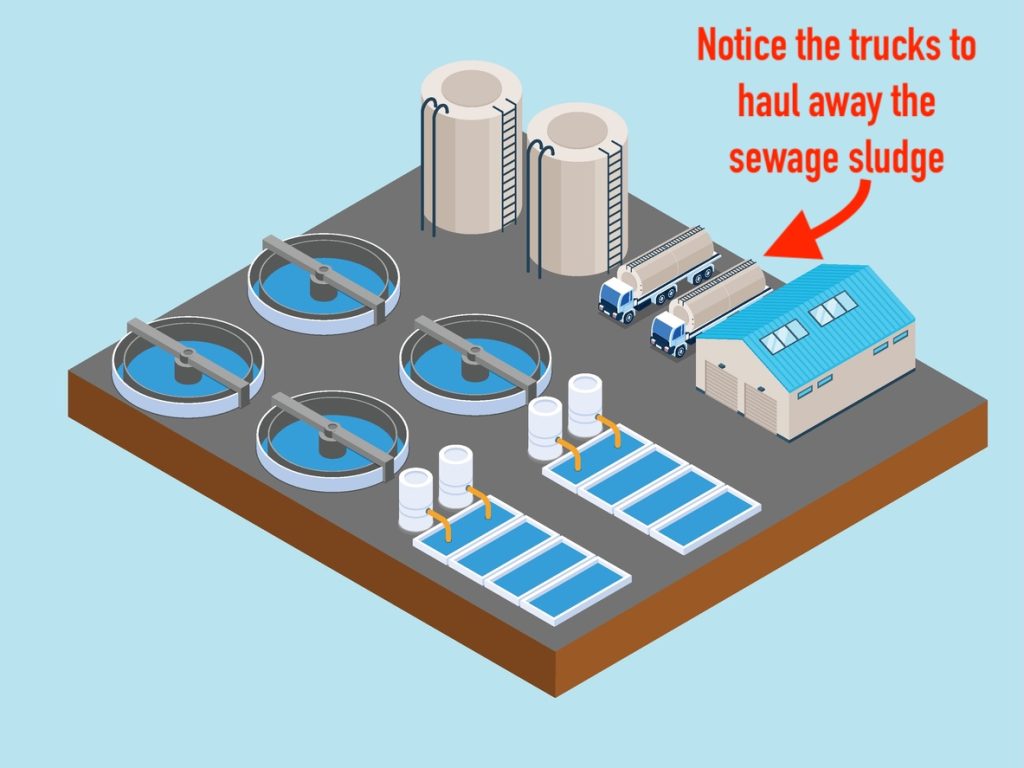
While the water is cleaned and discharged, the remaining toxic sewage sludge stays at the treatment plant, and it’s what Sierra Club environmentalist Nancy Raine calls “the most pollutant-rich manmade substance on Earth.”
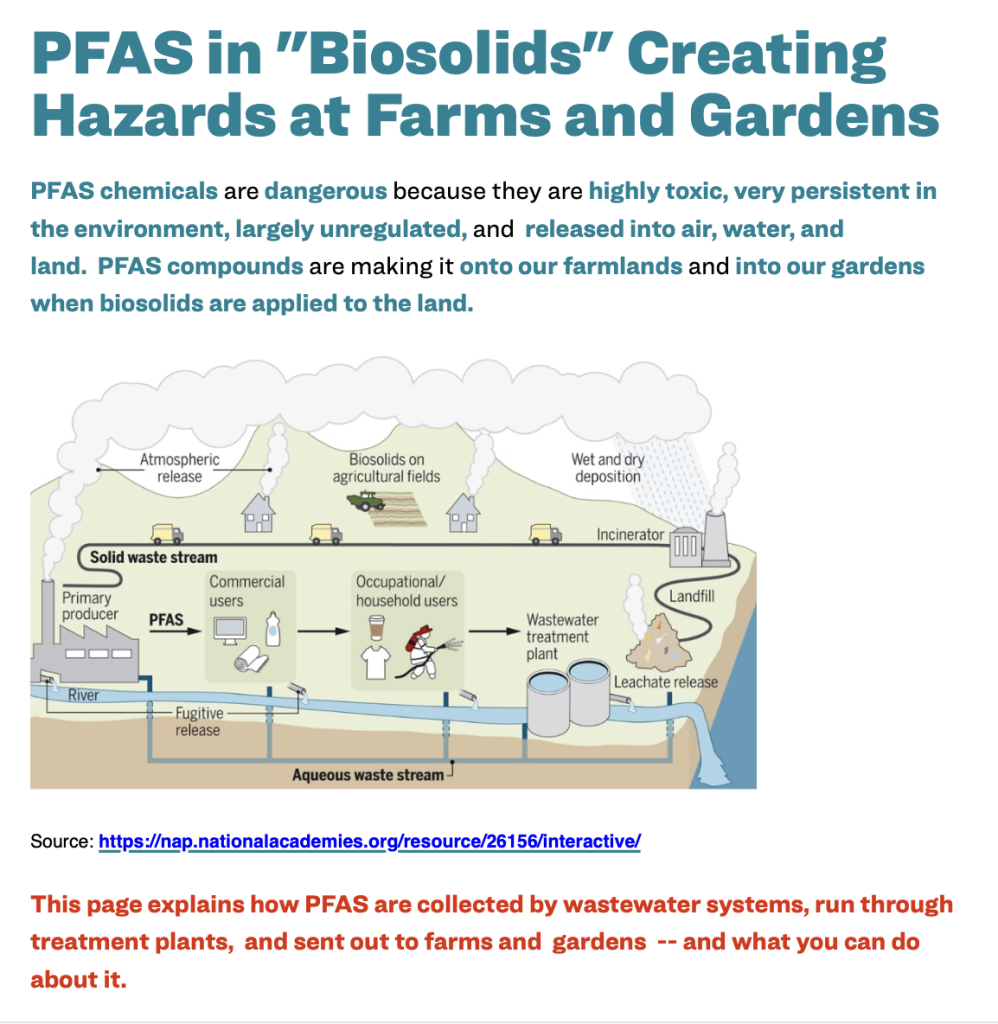
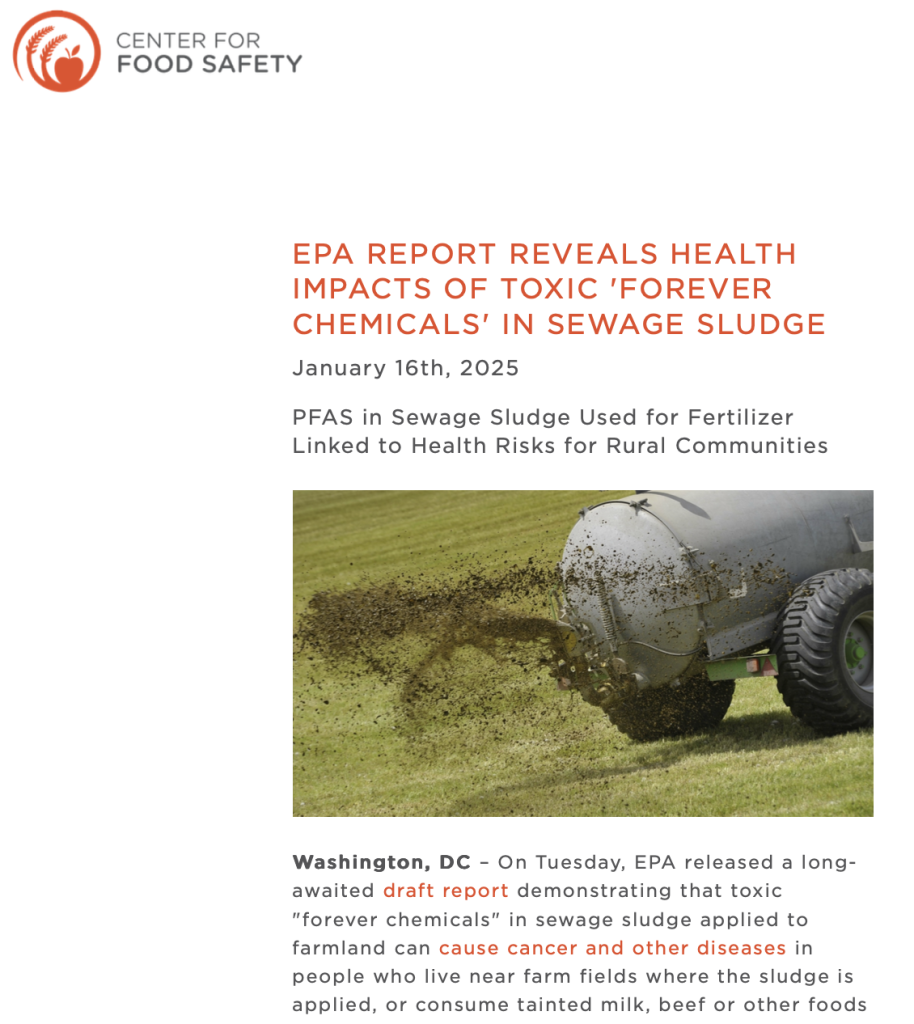
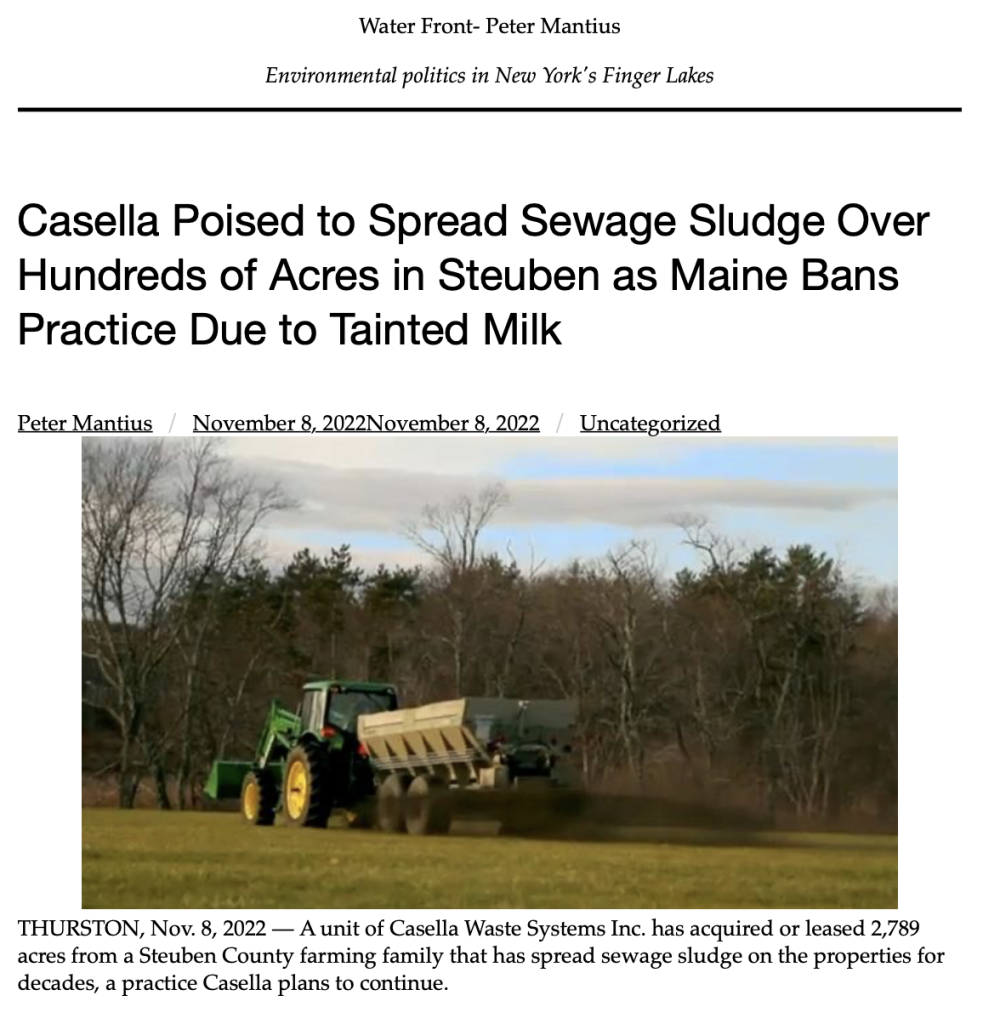
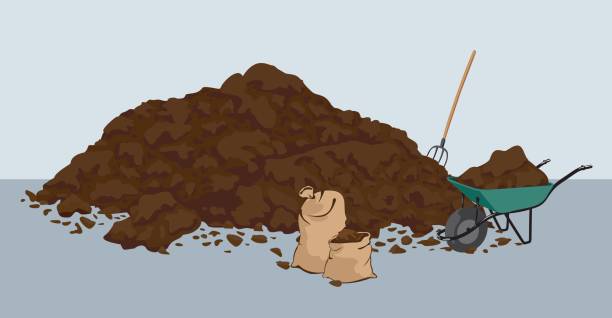
This “bio-solid” sludge is expensive to dispose of because it must be landfilled, but the waste management industry is increasingly using a money-making alternative – repackaging the sludge as fertilizer and injecting it into the nation’s food chain.
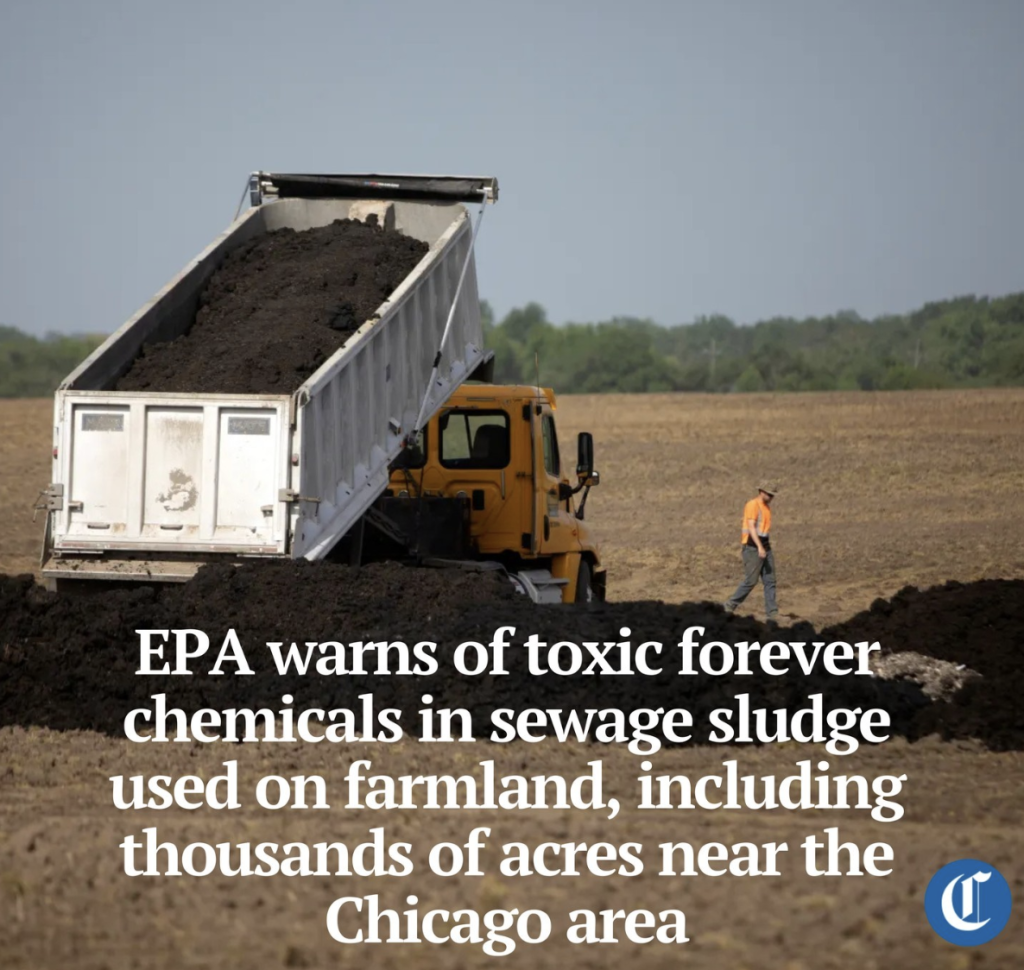
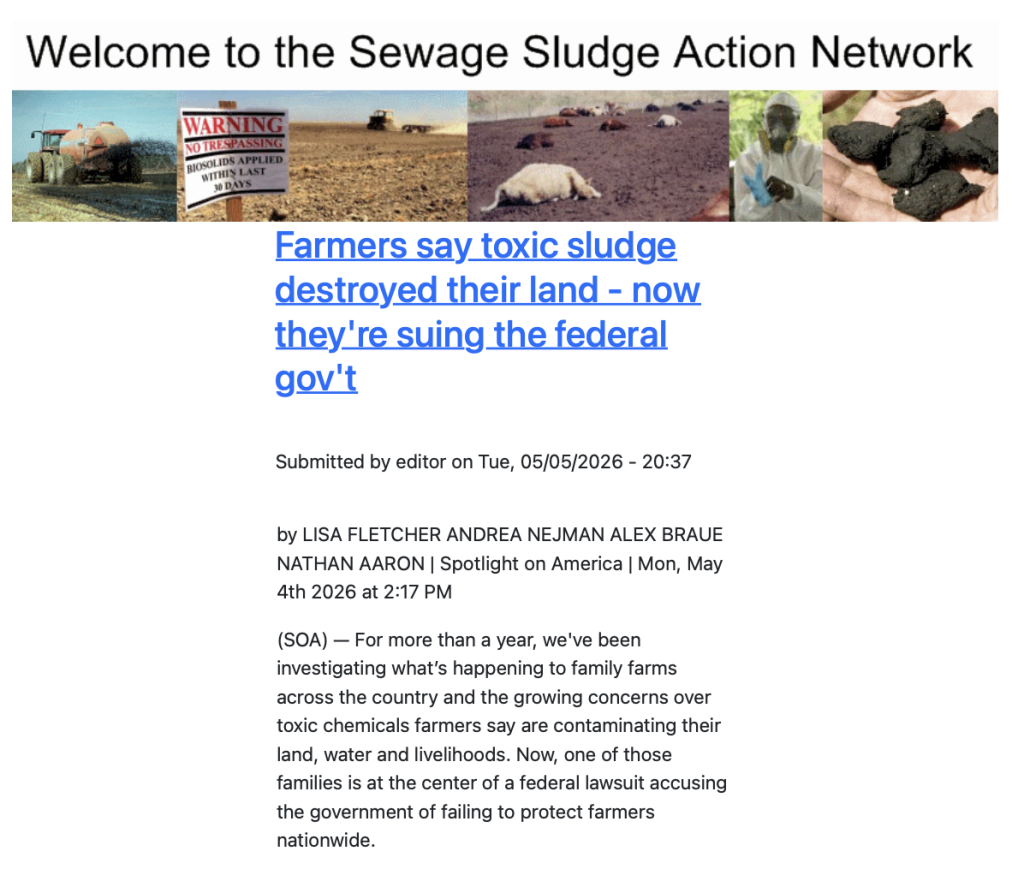
Now the practice is behind a growing number of public health problems. Spreading pollutant-filled bio-solids on farmland is making people sick, contaminating drinking water and filling crops, livestock and humans with everything from pharmaceuticals to PFAS.
As more bio-solid-linked crises develop, some farmers and environmentalists are calling for a ban on the practice.
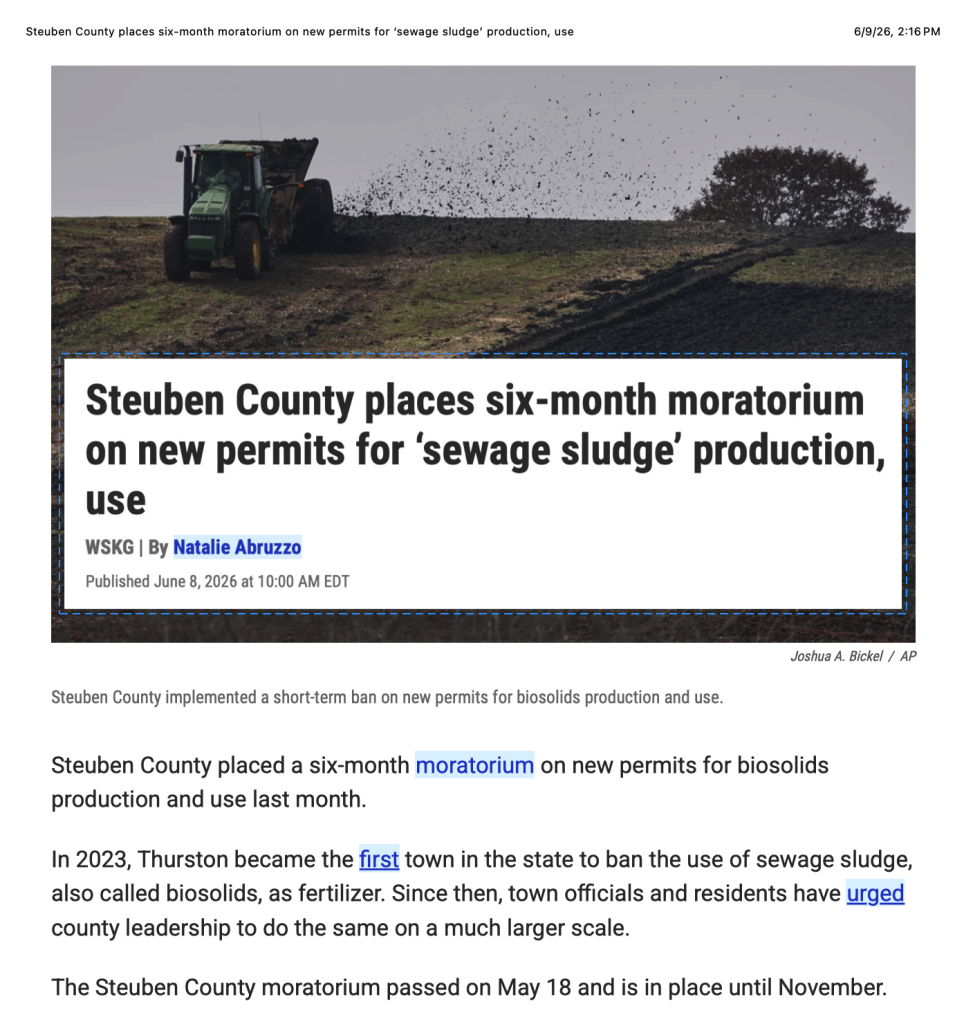
In 2019, about 60% of sewage sludge produced by treatment facilities will be spread on farmland and gardens, as well as schoolyards and lawns. Sludge holds nitrogen, phosphorus and other nutrients that help crops grow, so the waste management industry lightly treats it and sells it cheaply to farmers who view it as a cost-saving product.
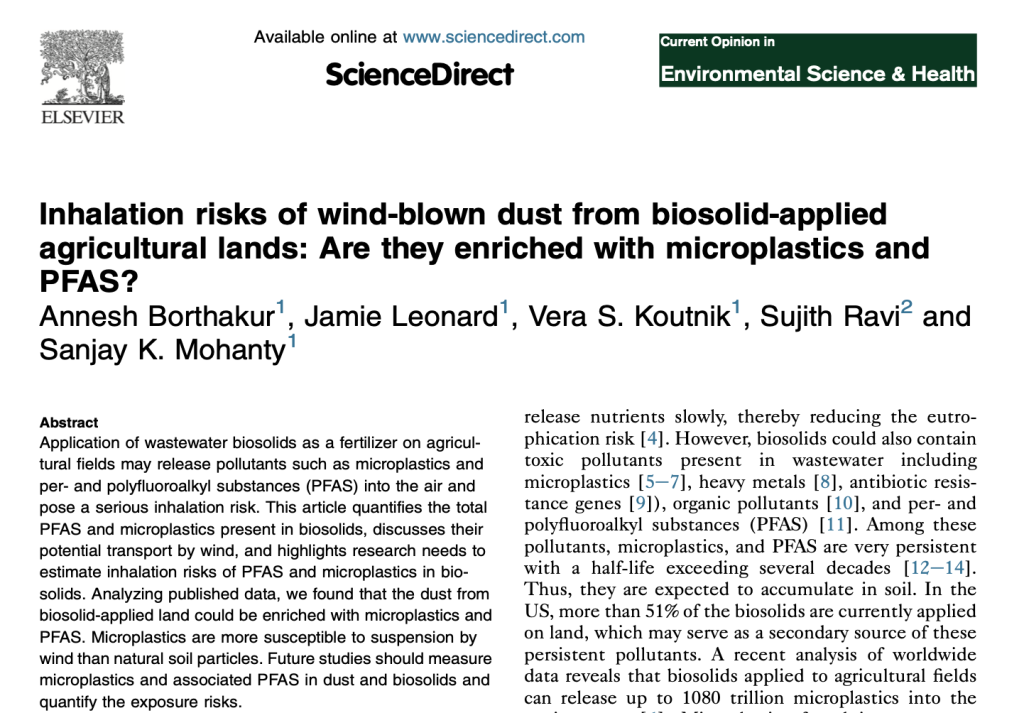
But in fact the excrement from which sludge derives has mixed with any number of 80,000 man-made chemicals that are discharged from industry’s pipes or otherwise pumped into the sewer system. By the time the mix lands in treatment plants, it can teem with pharmaceuticals, hormones, pathogens, bacteria, viruses, protozoa and parasitic worms, as well as heavy metals like lead, cadmium, arsenic or mercury. It often includes PCBs, PFAS, dioxins, BPAs and dozens of other harmful substances ranging from flame retardants to hospital waste.
“Spending billions of dollars to remove hazardous chemicals and biological wastes from water, only to spread them on soil everywhere we live, work and play defies common sense,” said David Lewis, a former Environmental Protection Agency scientist who opposed spreading sludge on cropland in the mid-1990s as the agency approved the use.
Previously, treatment facilities burned sludge or dumped it in the ocean, but the federal government barred the practices because doing so violated clean air rules or created marine dead zones. The EPA now insists spreading the same toxic substance on farmland is safe.
Raine questioned that conclusion, noting that there is very little regulation, very little testing and no knowing what’s in each batch of sludge as compositions vary.
In what bio-solid testing the EPA has conducted, it identified more than 350 pollutants. That includes 61 it classifies “as acutely hazardous, hazardous or priority pollutants,” but the law requires only nine of those be removed. Moreover, the EPA and wastewater treatment plants don’t test for or otherwise analyze most of the 80,000 manmade chemicals.
In a scathing 2018 report, the EPA Office of Inspector General noted the agency couldn’t properly regulate bio-solids, even if it sincerely tried, because “it lacked the data or risk assessment tools needed to make a determination on the safety of 352 pollutants found in bio-solids.”
Though regulators and industry don’t know what’s in bio-solids, there’s strong evidence that it can be dangerous.
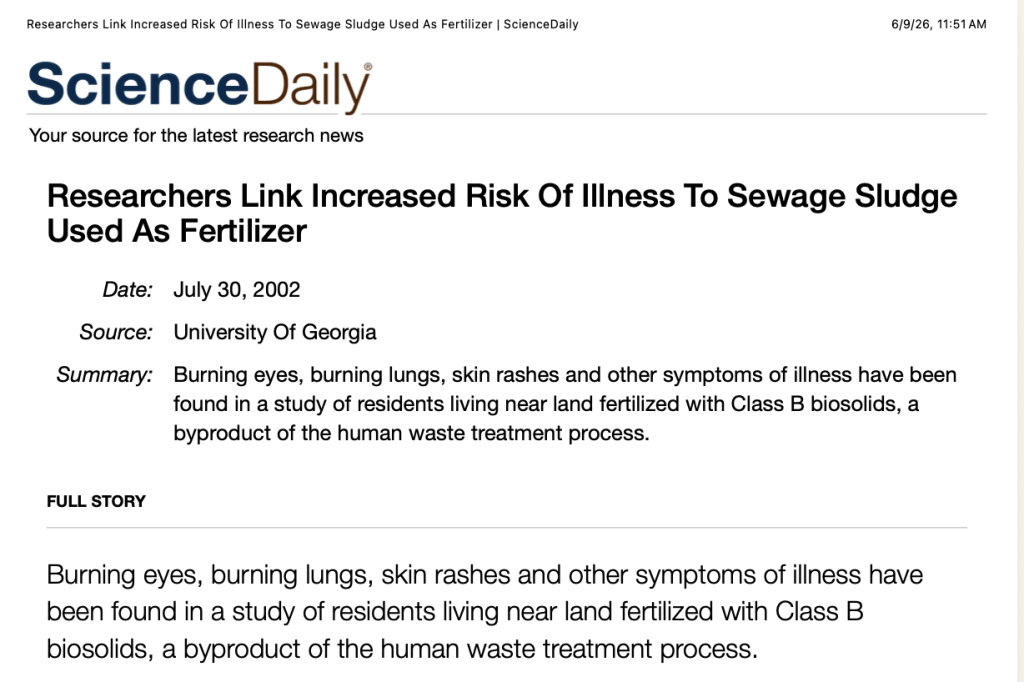
A University of North Carolina study found 75% of people living near farms that spread bio-solids experienced health issues like burning eyes, nausea, vomiting, boils and rashes, while others have contracted MRSA, a penicillin-resistant “superbug.”
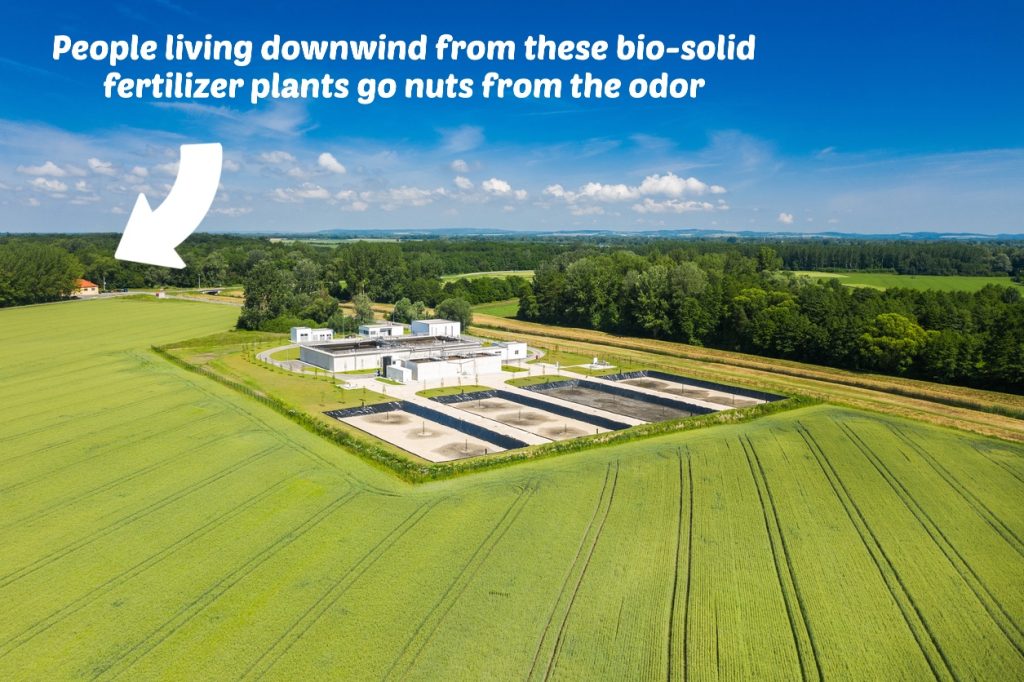
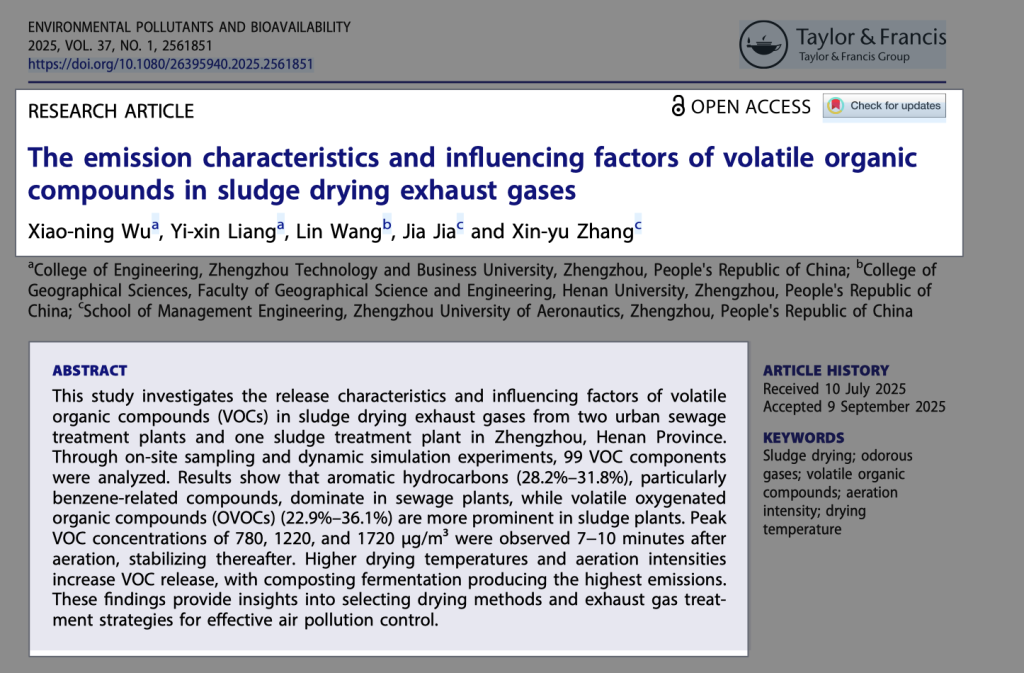
In South Carolina, sludge containing high levels of carcinogenic PCBs [Poly-Chlorinated Biphenyls] was spread on cropland, and in Georgia sludge killed cows. Bio-solids are also thought to be partly responsible for toxic algae blooms in the Great Lakes and Florida, and bio-solid treatment centers regularly pollute the air around them.
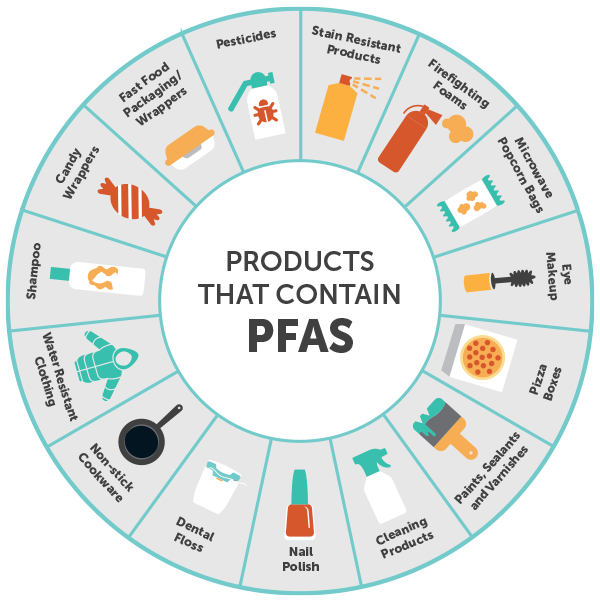
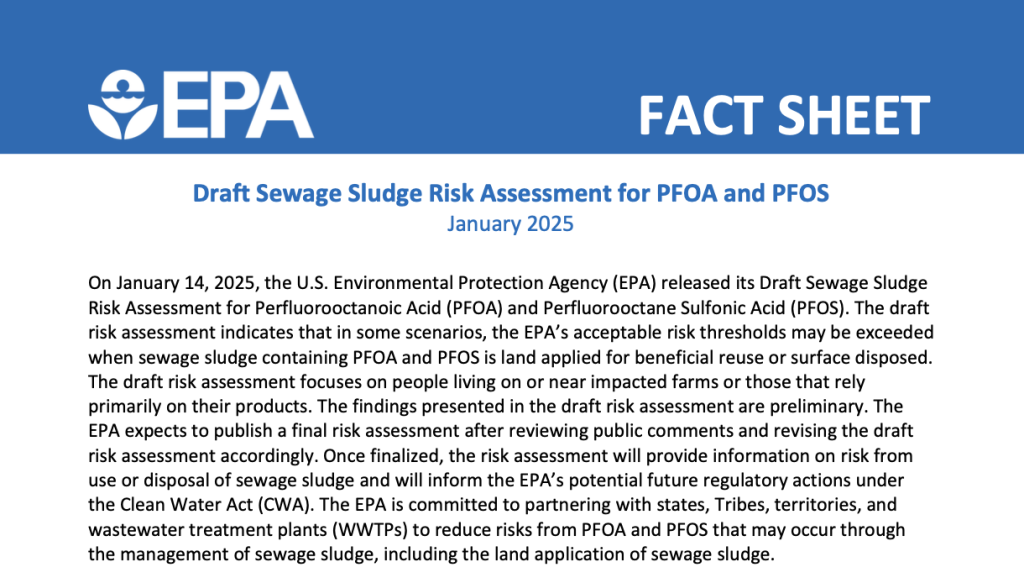
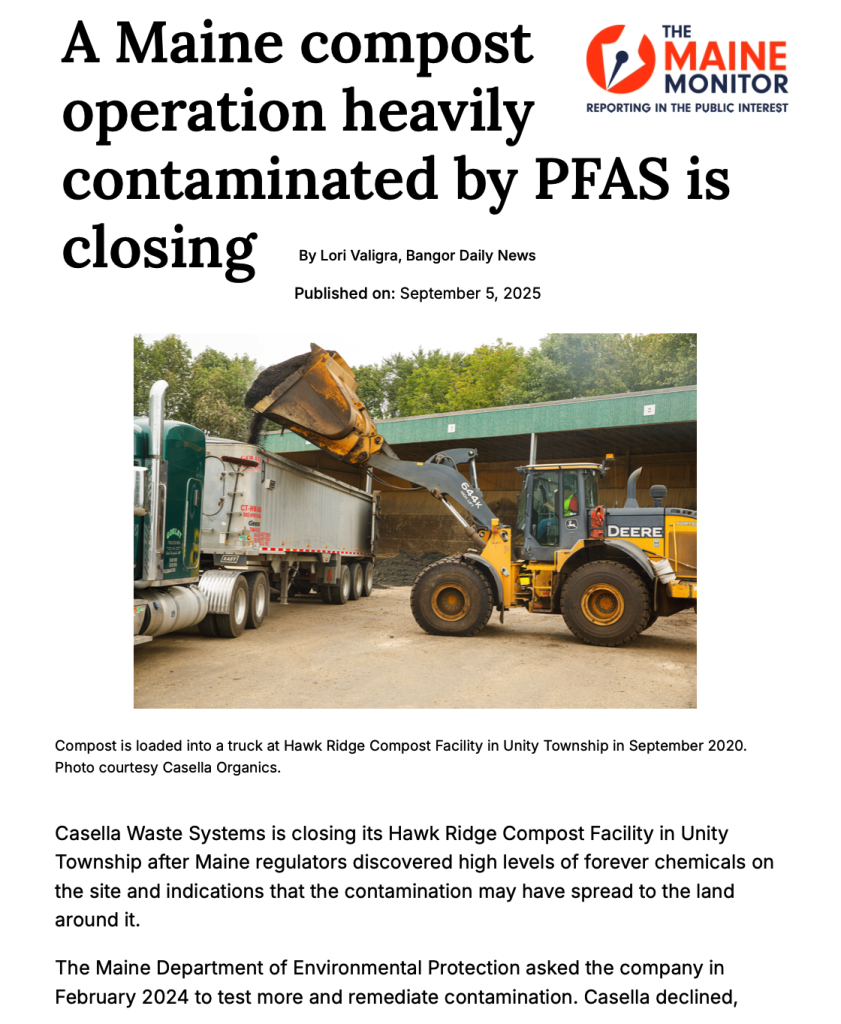
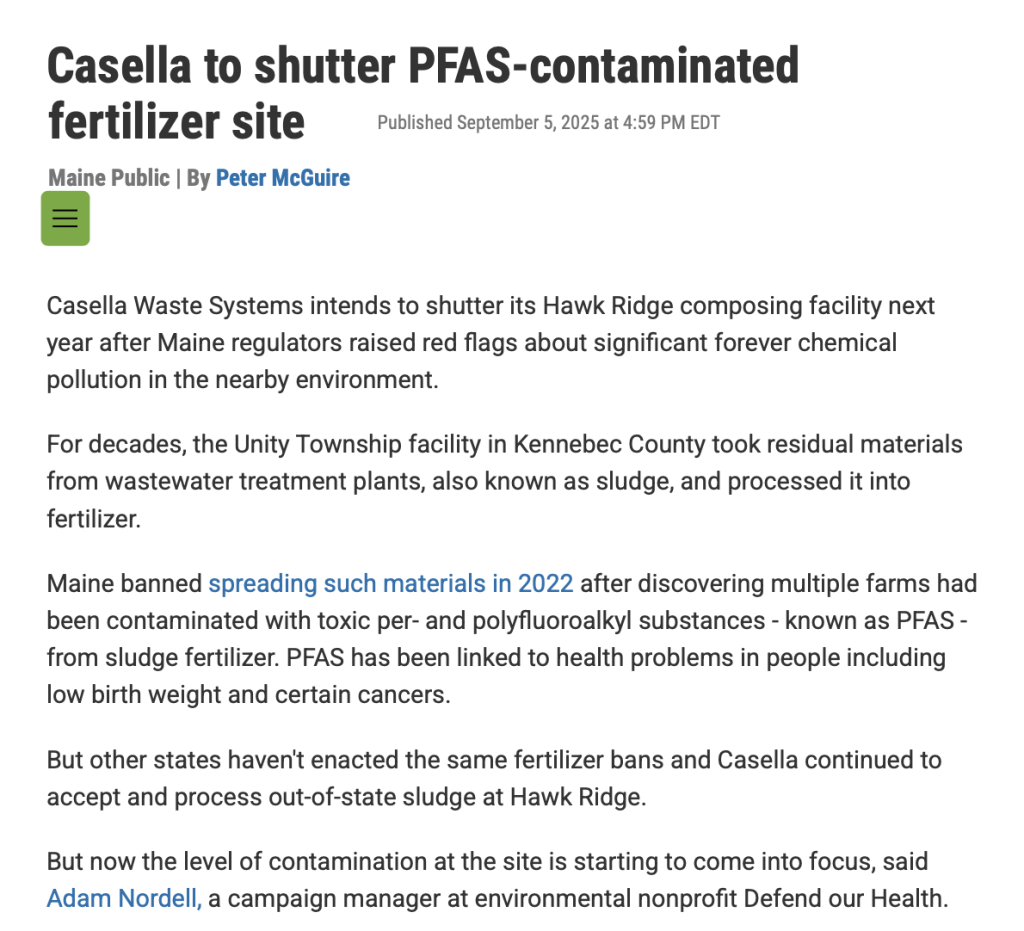
Meanwhile, sewage sludge is behind a widening PFAS crisis that has contaminated farms in Maine, Michigan, Wisconsin, Alabama and Florida. PFAS, or “forever chemicals,” are linked to a range of serious health problems like cancer, thyroid disorders, immune disorders and low birth weight. The chemicals are a product used to make non-stick or water-resistant products, and are found in everything from raincoats to dental floss to food packaging.
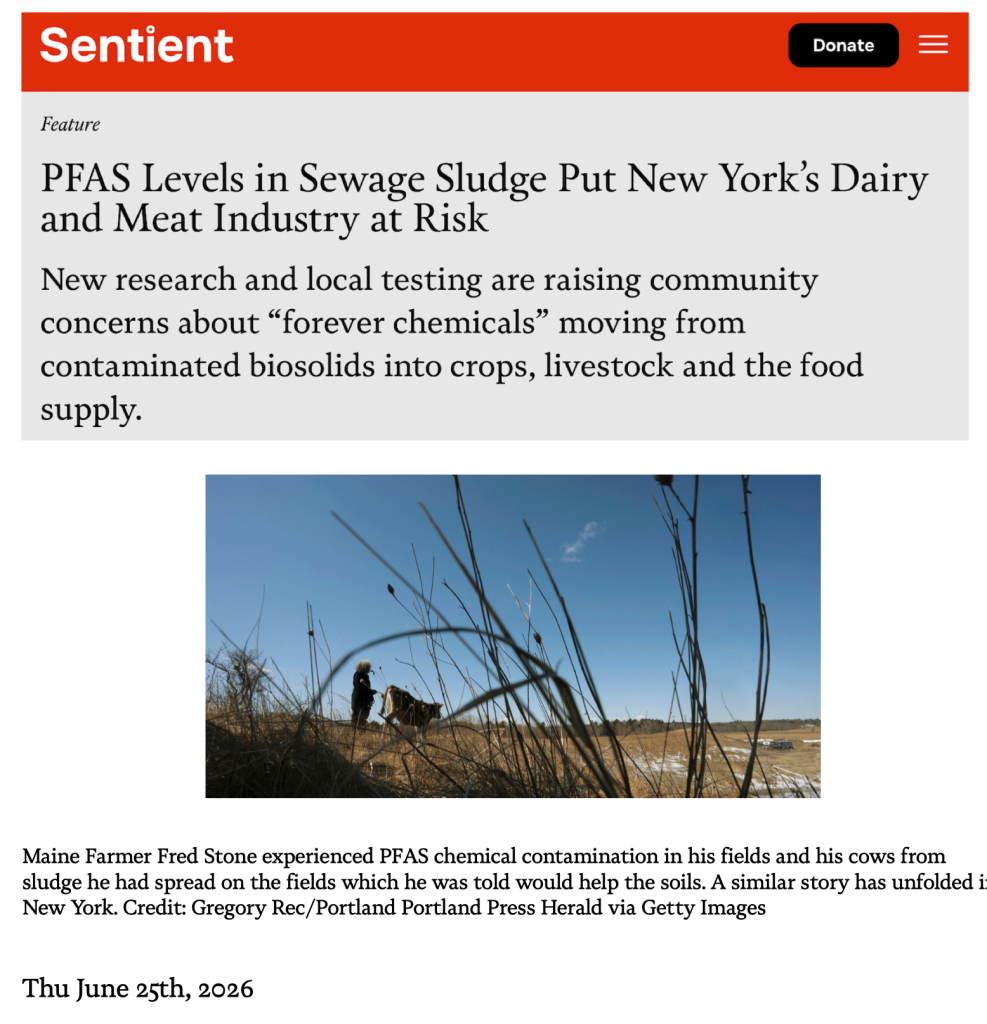
Maine’s testing of 44 fields sprayed with bio-solids earlier this year consistently found alarming PFAS levels in the ground, cows and farmers’ blood, which forced one dairy farm to shut down.
“They’re finding kilograms of PFAS in sewage sludge when nanograms are harmful to humans, so you can’t regulate it as a fertilizer,” said Laura Orlando, a civil engineer who tracks problems with bio-solids.
Still, state governments continue to allow bio-solids to be spread on farmland or sold in compost. In Michigan, an environmental official recently said the state won’t test for PFAS in milk because it doesn’t want to put farmers out of business. A spokesperson for Michigan’s Department of Environment, Great Lakes and Energy did not respond to specific questions about bio-solid use, but said the state had increased PFAS testing, and in 2017 it issued suggestions for bio-solids applications.
However, the Sierra Club’s Great Lakes manager, Christy McGillivray, noted that Michigan doesn’t have PFAS standards, so “that makes it impossible to regulate.” As of now, states aren’t testing for most of the thousands of chemicals known to be in sludge beyond PFAS.
Bio-solids are also creating tension in some rural communities as farmers who use it pollute watersheds, contaminate neighbors’ wells or sicken neighbors.
Don Dickerson, a farmer with land in Michigan and Ohio, told the Guardian that bio-solid dust from an adjacent field had coated his home and crops in the substance. Paul Wohlfarth, a resident of Riga Township, Michigan, said sludge is contaminating his well, and charged that bio-solids from the state’s cities were “turning Riga Township into a waste dump.”
“When you put heavy metals, PFAS, plastics, pharmaceuticals and all that in the soil, sooner or later it gets toxic, and you can’t wish that stuff away. You’re ruining the topsoil forever,” he said.
Though the government is reacting slowly or ignoring problems, companies like Whole Foods, Dole, Heinz and Del Monte won’t buy crops grown in bio-solids, while Switzerland, the Netherlands and other countries have banned it.
Still, the wastewater industry has strongly denied that health issues exist and regularly calls any contrary evidence anecdotal.
The Great Lakes Water Authority, which operates one of the nation’s largest bio-solid programs, declined interview requests from the Guardian. Despite sludge’s chemical makeup, the wastewater industry bills bio-solids as “green” and even sells it as organic fertilizer in stores like Walmart and Lowe’s, though packaging doesn’t indicate that it’s composed of human and industrial waste.
The waste management industry treats sludge in several ways before labeling it as fertilizer – air drying, pasteurization and composting are among common methods. Lime is employed to raise the pH level to eliminate odors, and about 95% of pathogens, viruses and other organisms are killed in the process.
But Raine stressed that none of the thousands of chemicals known to be in bio-solids, or tens of thousands of manmade chemicals for which the government doesn’t test, are removed.
“It has a technical song that sounds pretty good. However, nothing that is done to the sludge removes the chemicals,” Raine said. “They just spend a little money on PR to convince us it’s nice fertilizer and fail to mention all the other things that are in it.”






3 thoughts on “From Toilet to Table”
A major source of surface water contamination results from ‘The Leachate Loophole.’
Malone and the Franklin County Solid Waste Authority have an unholy partnership. It’s not unique in New York or beyond. Still, the local case is instructive — and destructive.
Every landfill has rainwater falling on it. Plus there is moisture in regular household garbage, including from vegetable material that might better be composted in our backyards or, as NYC is haltingly trying to do in a self-defeating way, have a separate waste stream of compostable garbage.
In any event, liquid filters through the ’solid waste’ and is collected from the bottom of the cells into which local and trucked-from-far-away-waste is deposited. This liquid leachate is heavily laden with toxics.
DEC had the leachate from Constable tested, and found many hundreds of contaminants a few years ago. The testing revealed that the levels of several of the PFAS (there are more than 15,000 of this class of chemical) are hundreds to thousands of times greater than the EPA’s drinking water standards. Those standards were not based on what is considered safe for humans, for, as the EPA said, for at least some of them ‘there is no safe level of exposure.’ Rather, these limits are what were felt to be tolerable.
Before the landfill can discharge this leachate into surface waters, federal and state rules require it to be decontaminated — unless they pass it through the Leachate Loophole.
Our landfill sends 50,000 gallons of highly contaminated juice (leachate) to the Malone Waste Water Treatment Plant (WWTP) every day. The Malone WWTP doesn’t have the ability, via reverse osmosis, to filter out the toxics before Malone’s effluent is released into the Salmon River. (Suffice to say, don’t eat any fish from Lower Park Street Pond or downstream.)
In return for this service, the sludge from the WWTP is trucked to the Franklin County landfill.
It should be noted that this is preferable to it being spread on farmlands, but far from an ideal solution.
Landfill manager Todd Perry says nada about that in the flowing report he recently gave to the County Legislature:
https://mymalonetelegram-ny.newsmemory.com/?publink=3cece1d75_1352182
And he doesn’t mention that the carrot and the stick are coming at us. The stick is soon-to-be-coming regulations to test WWTP effluent. And the carrot is a limited pot of money the State will grant to do things like install reverse osmosis equipment.
https://www.pressrepublican.com/news/ny-proposes-first-in-nation-regulations-on-pfas/article_5dd3466f-144f-4c08-87f3-c14678d3fd4a.html
Perhaps the worst news is that Franklin County’s Leachate Loophole offenses are far from the worst. Case in point is the Watertown WWTP which not only accepts copious amounts of leachate from their nearby multi-county landfill at Rodman, but tens of millions of gallons from the biggest landfill in the State, Seneca Meadows.
Like Malone, Watertown’s WWTP is unable to remove PFAS and other poisons before discharging their effluent. (Again, don’t eat fish from the Black River downstream from Watertown.)
Unlike Malone, Watertown spreads their sludge directly on farmlands. And some of these farms are grazing beef cattle on those ‘fertilized’ lands and selling them as ‘all natural.’
To quote you, Calvin, ‘Yikes!’
Thank you for this, Calvin. I’ve been working on this issue for about five years now. Despite seeming progress on getting NY to pass legislation ending sludge spreading, it continues apace.
It should be noted that more sludge is brought to Franklin County and then on farmlands than ALL of the rest of New York State COMBINED! Everyday, with DEC’s permission, almost half a million pounds of ‘biosolids’ are brought to the Smith Road in Chateaugay, where a Casella subsidiary composts and distributes Fertilimer. In total, 90,000 tons per year are mixed with quick lime to ‘treat’ and kill organisms in the stuff.
This does nothing to remove the heavy metals and toxins that, as you point out, are in this industrial waste-laden material. But their process turns Class B waste, which is regulated, into Class A biosolids, which are not regulated. This means there is little means of tracking where the stuff is spread, except for a 2019 DEC report about how much was spread in each town. Beyond knowing how many tons were taken to Farm One in the Town of Bangor and Farm Three in the Town of Westville, the whole business is opaque. And highly profitable, which explains why the sludge hauling industry lobbies hard to keep their business model unimpeded.
Sherri Lange is right to question what this does to soil and microbe health, and to wildlife. But it’s much more far reaching than that. The dust from the spreading of this unregulated toxic waste is more than just vile smelling, it is poisonous.
Once on or in the soil, the damage is not limited to the land and the vegetation grown thereon. Our testing shows that rainwater runoff is a vector, carrying poisons into nearby streams.
But this leaching is minor compared to the Leachate Loophole I’ll address in a separate comment.
As usual, Calvin, you tackle difficult subjects, and make them “digestible.” So well done. Will circulate. Much of my mind doesn’t want to KNOW, but needs to know. Thank you very much.
“And yet, what is it doing to the microbes (including protozoa and fungi) that not only live in the soil — they are the soil! What does it do to earthworms and birds that feed on earthworms and whatever else birds dig out of the soil or glean from grass, etc.?” INDEED.