

RiverCityMalone.com

On the issues that matter in Malone NY (USA)

Have you ever met a saint?

Part 4:

The Combat Myth

Picture of Calvin Luther Martin, PhD

Calvin Luther Martin, PhD

March 27, 2026

Zarathustra: The Persian prophet

you (probably) never heard of

The images, below, summarize my article. When you get to the “Biblianism” image, click on the text (AD 50 – Today), put on your headphones and listen. A new window will open in a separate tab. As you listen to the song, return to this tab showing the 4 images. Listen to the song all the way through.

  • 1
    The Combat Myth

    8,000 BC Mesopotamia

  • 2
    Zarathustra

    1500 BC Mesopotamia

  • 3
    St. Paul

    AD 50

  • 4
    "Biblianism"

Despite your not having a clue who he was, much of what you believe about the Bible and Jesus originated with this man.

Zarathustra

Before we engage Zarathustra, I must explain something I brought up at the end of the last article on The Ruler. I ended it with the ominous phrase, The Break, about which I said:

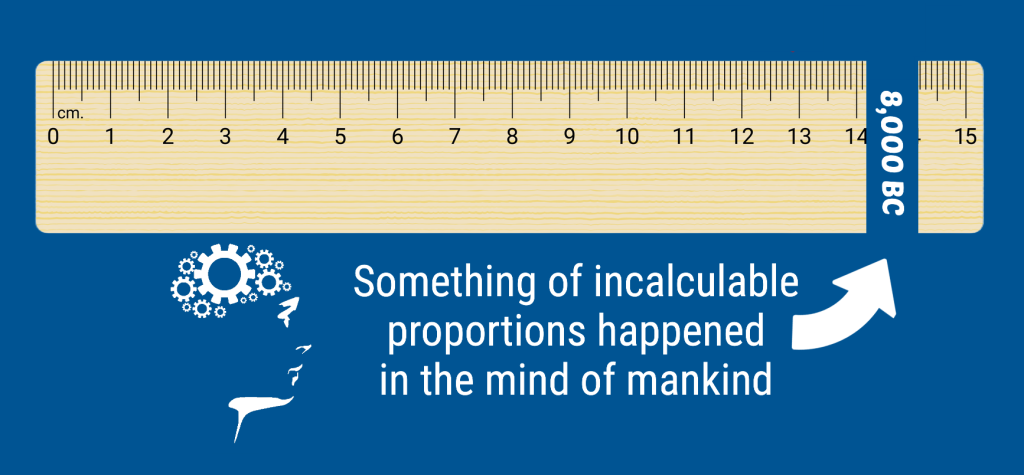
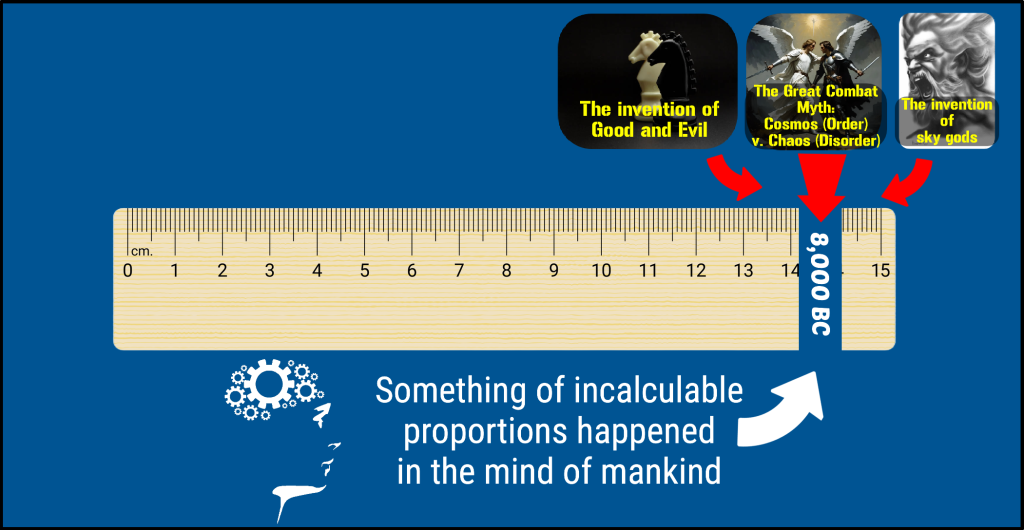
Around 8,000 BC something began to happen in the Near East (Turkey, Iran, Iraq, Syria, Lebanon, Jordan, Israel/Judaea). Something monumental. There was a “mentality” shift.

Note the broken ruler, below. Focus on the date, 8,000 BC

I need to interject something before you get confused by all the dates I keep throwing at you. You need a quick course in “date notations.”

The traditional date notations, AD and BC, have been replaced by scholars with a notation considered “religiously neutral,” since AD means (in Latin) “year of our Lord” and BC means “before Christ.” In an effort to be, er, “religously correct,” academics now substitute CE (meaning “Common Era”) for AD, and BCE (“Before the Common Era”) for BC. Given that the calendar we all use (in the West) is a Christian calendar, BC and AD seem just fine to me. Regardless, I use CE and AD, and BCE and BC, interchangeably.

Okay, we’re ready to play with rulers again. (Ignore the centimeter numbers in the above ruler. Pretend they represent tens of thousands of years.)

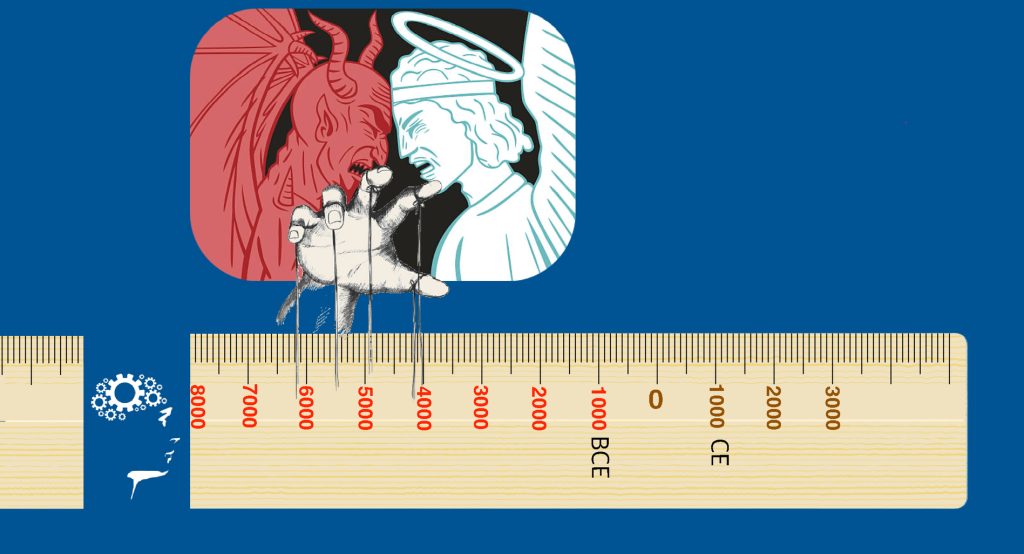
Here’s the same ruler, with the right side enlarged. The right side begins with the date 8,000 BCE and goes up to 3,000 CE. The “0” date marks the transition from BCE to CE. All BCE dates are marked in red. CE dates in brown.

Things now start to get interesting: We’re going to add some geography to the rulers.

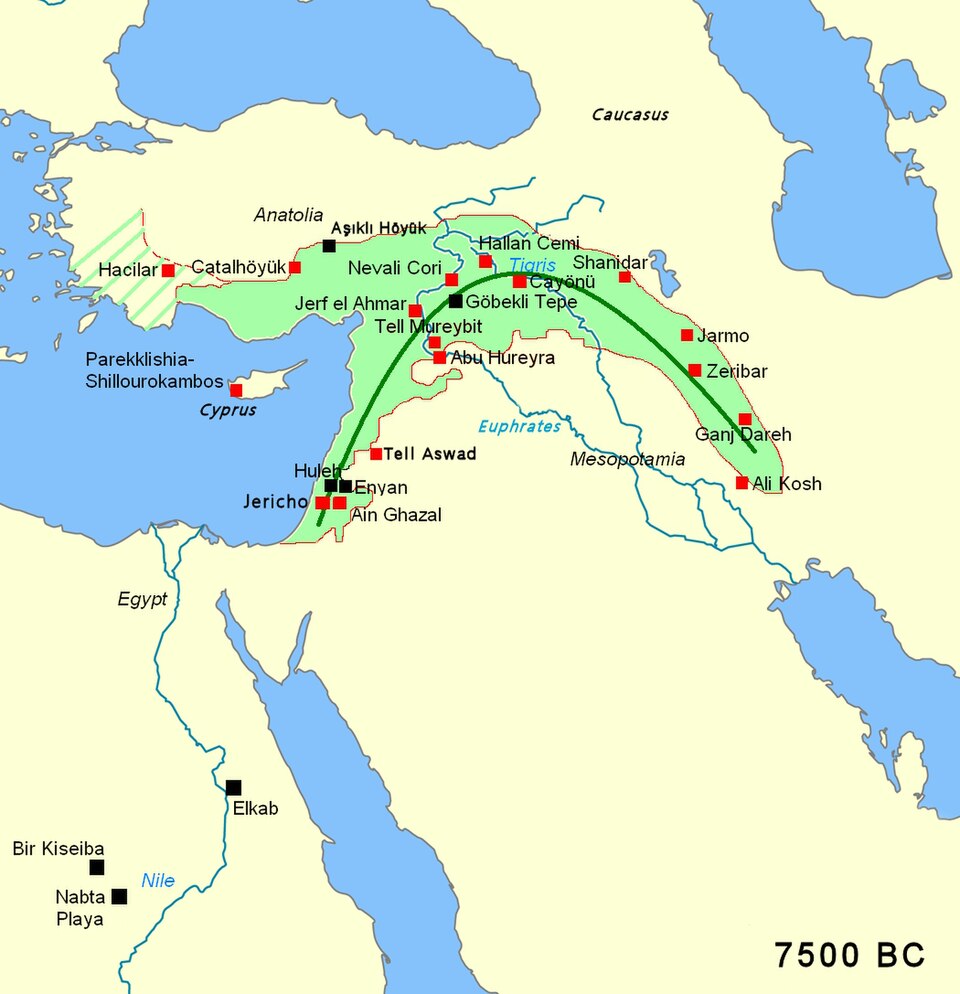
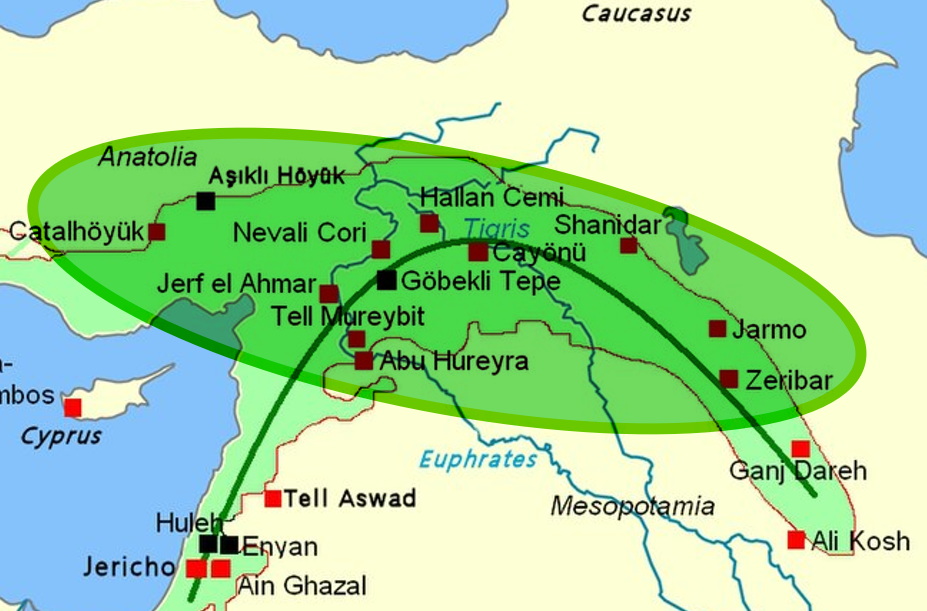
Examine this map. Notice the green crescent-shaped region, starting in the south with Israel/Judaea/Palestine and extending north to encompass Lebanon, Jordan, Syria, and up into southern Turkey, then curving down into Iraq and Iran. 

This crescent is where The Break occurred. This is where the colossal shift in human consciousness, separating the Paleolithic from the Neolithic, took place.

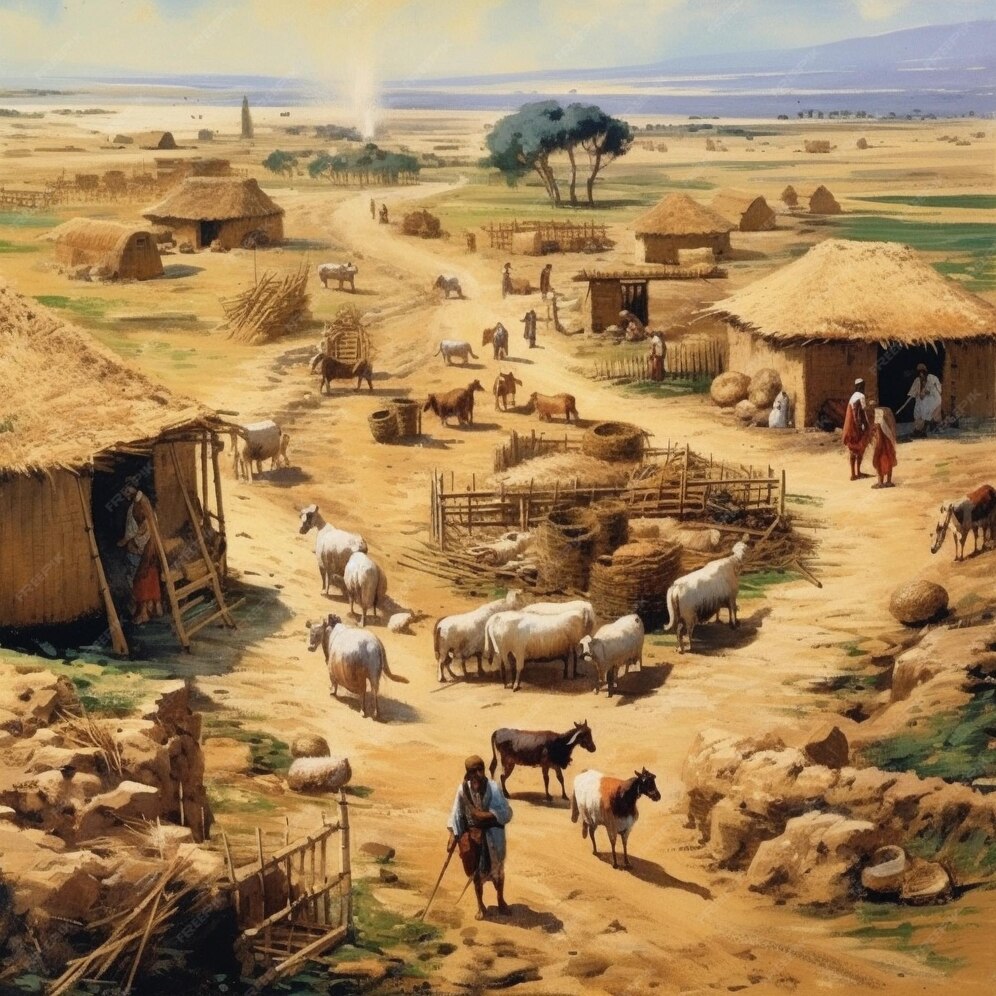
Scholars generally consider the hundreds of thousands of years prior to 8,000 BC as the “Paleolithic” period, when humans, the world over, were “hunter-gatherers.” (“Paleolithic” means “Old Stone Age.”) Everything after approximately 8,000 BC in the Near and Middle East is designated the Neolithic (“New Stone Age”) when people in this region began switching to farming (animal and plant domestication). Thus, by definition, Paleolithic refers to “hunter-gatherers” and Neolithic refers to early “farming.” You and I would be considered post-Neolithic farming (agrarian) societies; i.e., modern farming societies.

It is of the utmost importance that you discard the concepts, “hunter-gatherer” and “farmer.” The reason is that these terms (hunter-gatherer and farmer) come to define the worldview and consciousness of our ancestors in strictly economic terms. 

If we view these people through an economic lens or filter, we miss entirely what motivated them and how they perceived and engaged the world.

Thus, when I say the crescent-shaped area is where The Break occurred, I’m saying that a seismic shift occurred in the consciousness of the people living in that region, especially in the area highlighted in the green oval in this image to the right. 

For reasons still not entirely clear, people living within this “green oval” around 10,000 years ago (8,000 BCE) began to perceive themselves in an entirely new way, a way that resulted in an entirely new relationship with animals and plants and the land itself. Out of this new way of seeing the world came systematic animal and plant “domestication,” with “domestication” being a polite word for (eventual) animal enslavement and selective breeding (beginning with goats, sheep, pigs, and then cattle) and for tilling the soil. All this occurred slowly, over several thousand years. I should also make a clear that 8,000 BC is probably the latest date for this process; in some communities within this “green oval” it started between 9,000 and 10,000 BC.

Scholars long believed that the people occupying this “green oval” turned to systematic farming out of necessity, a necessity such as a climatic shift. (We now know this was not the case.) Or a necessity such as a population boom. (There is no evidence whatsoever for this.) Or they did so because some genius figured out the rudiments of farming. This latter theory is utter horseshit.

In fact, it is now abundantly clear to archaeologists that Paleolithic societies have known for many tens of thousands of years how to domesticate animals and how to harvest seeds and plant them — and yet they did not turn to systematic farming.

Why didn’t they become farmers? After all, they understood full well the principles of farming, and the soil and climate were conducive to farming in many areas — and yet they deliberately did not go down that rabbit hole.

This is a burning question among some archaeologists — the ones who are not afraid to ask difficult questions. It is a question I have wrestled with for over 50 years, in book after book.

It wasn’t until I lived with a surviving Paleolithic society (Yup’ik Eskimos on the Alaska tundra)[1]Pronounced “You-pick.” for two years that I figured out the answer — I think. As these articles unfold, the answer will start to come into focus. But it will take a while, because it is not easily put into a phrase or sentence or paragraph.

The answer requires a new way of thinking. Or perhaps I should say, it requires a way of thinking you knew as a child and abandoned as you grew older

Truth be told, you didn’t abandon it; it was driven out of you by the prevailing culture — by the puppeteers of the Neolithic. The puppeteers I have referred to in earlier articles. This would be religious puppeteers and the Greek philosophers and subsequent academics whose dogma you silently, innocently embraced without knowing its origin or its deeper meaning and, I might add, calamitous repercussions.

The uncanny thing is, Jesus (as I read the Gospel accounts) knew this way of thinking and indeed he built his Gospel message on it

Truly, I say to you, unless you turn and become like children, you will never enter the kingdom of heaven.

Matthew 18:3, Revised Standard Version

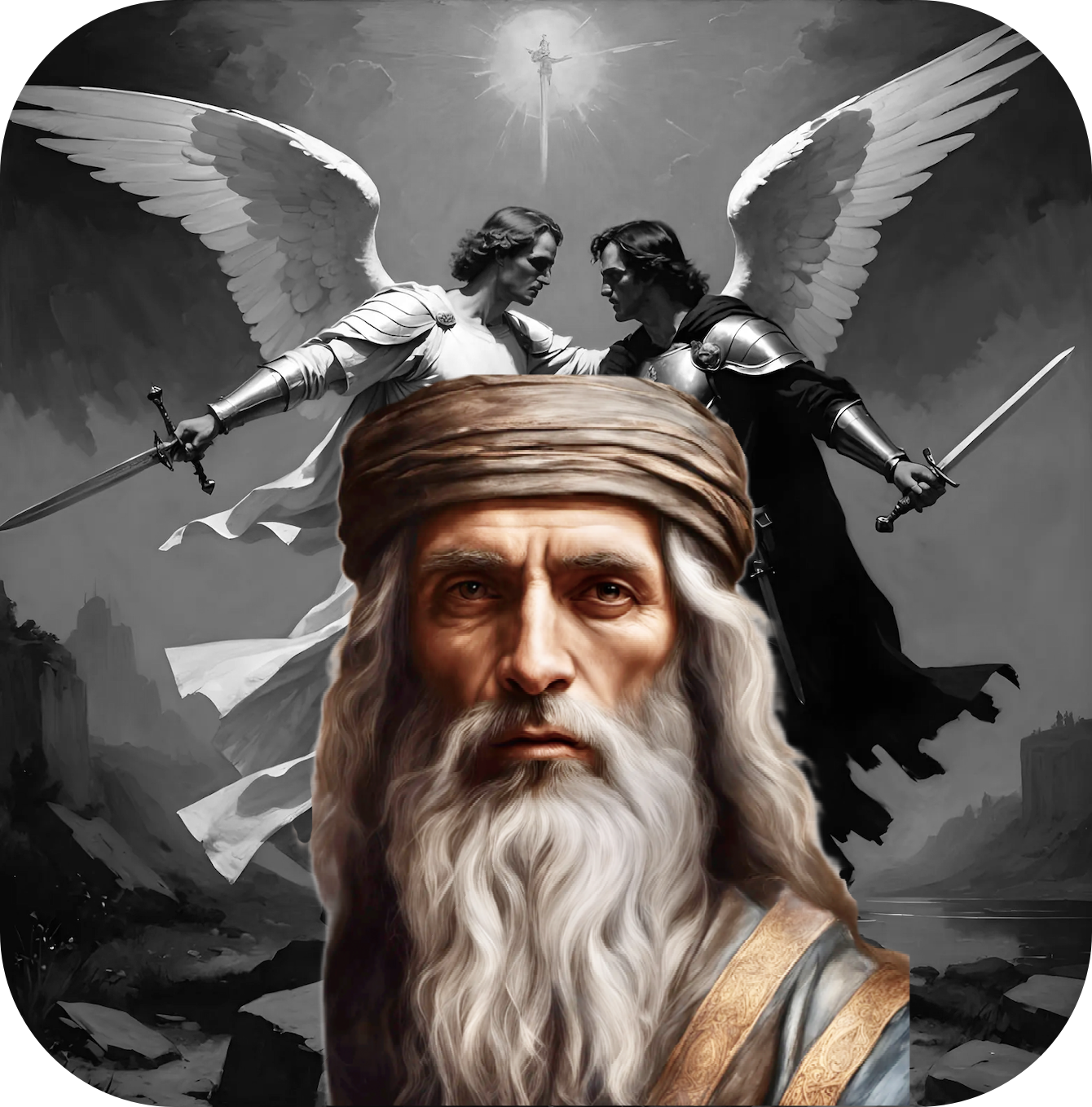
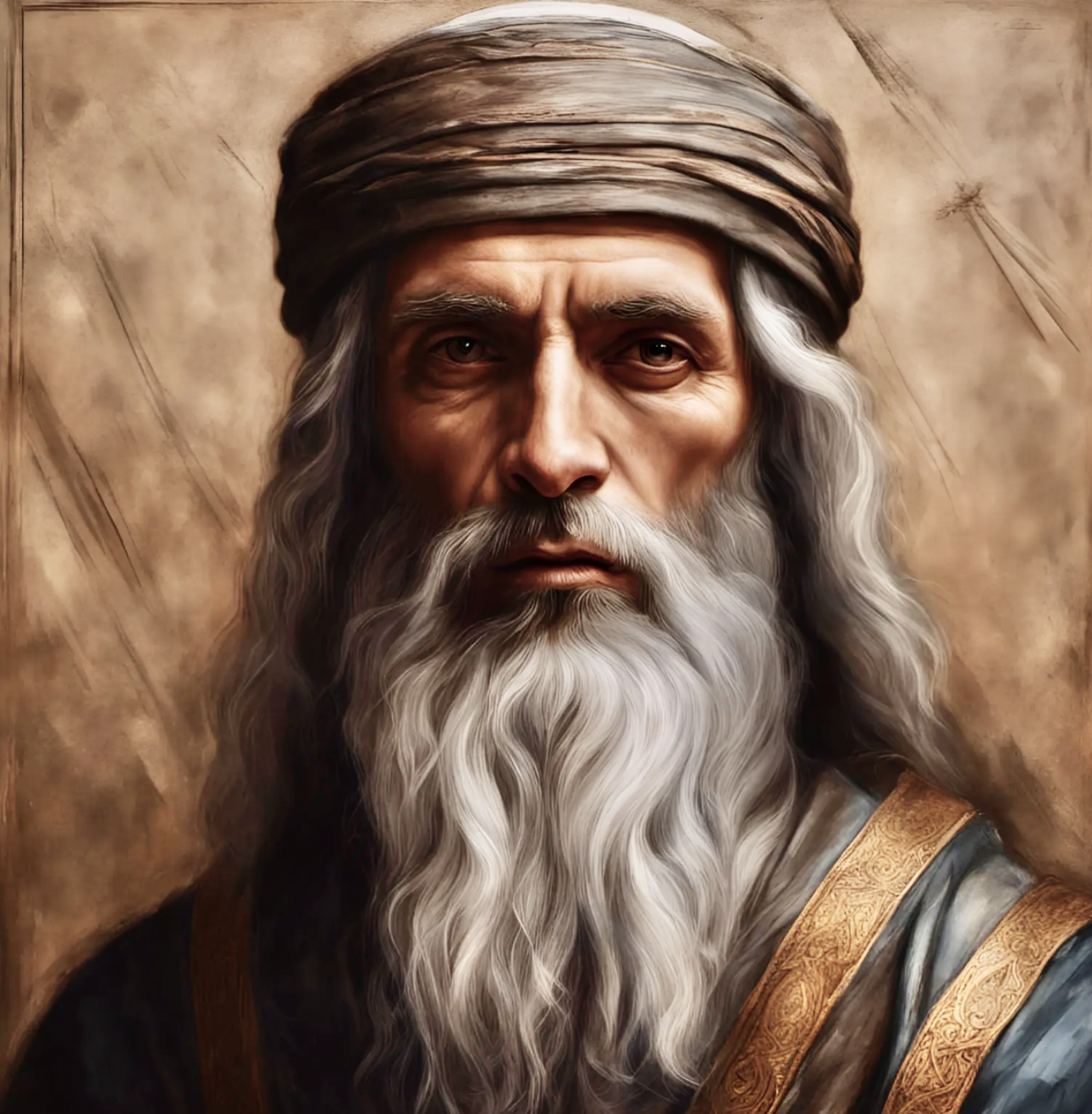
This man was one of those puppeteers

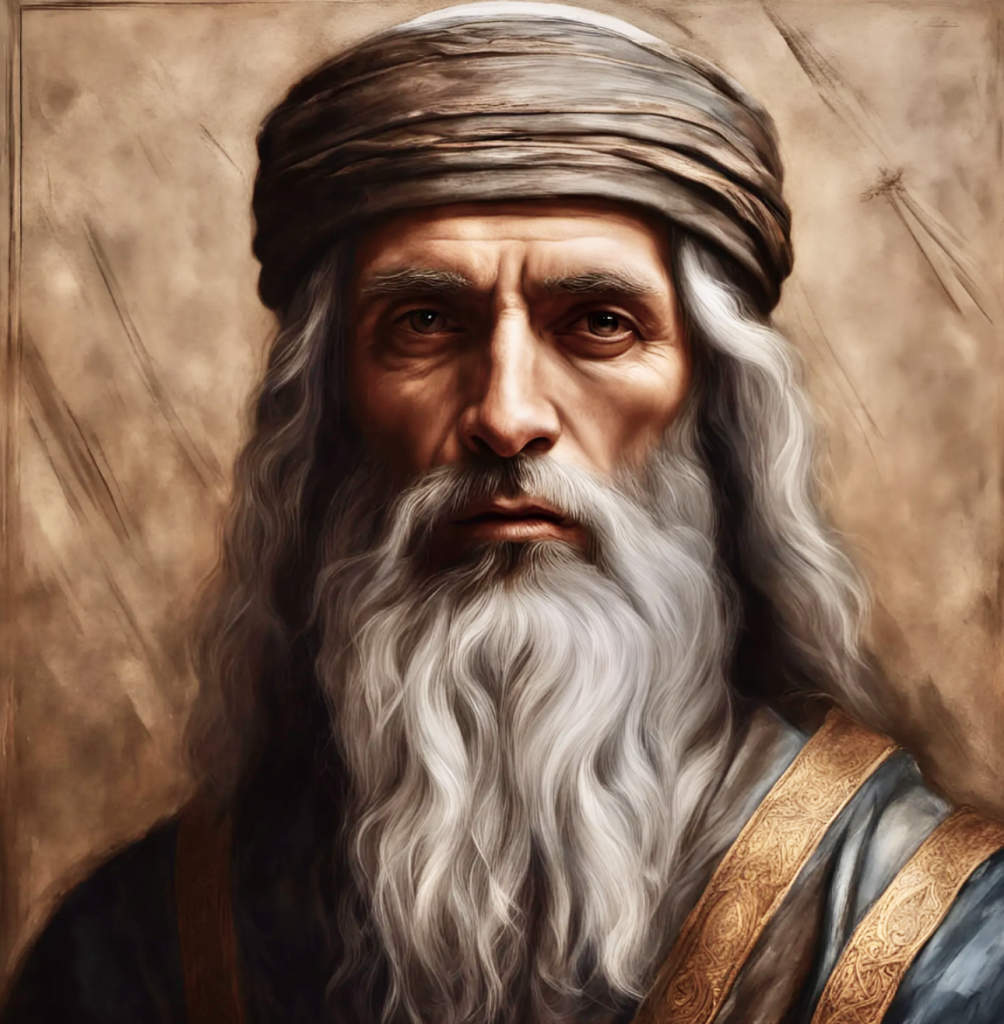
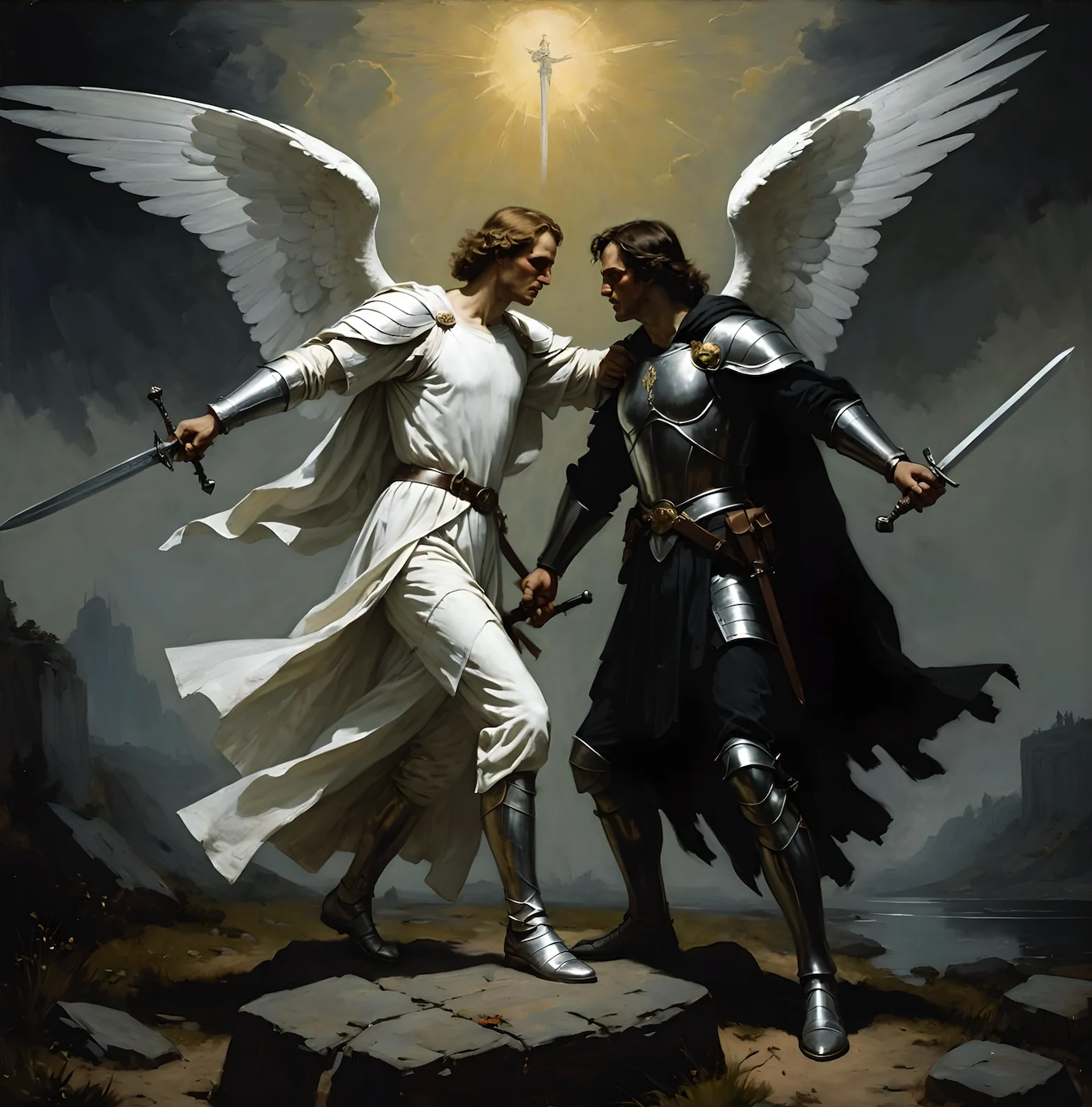
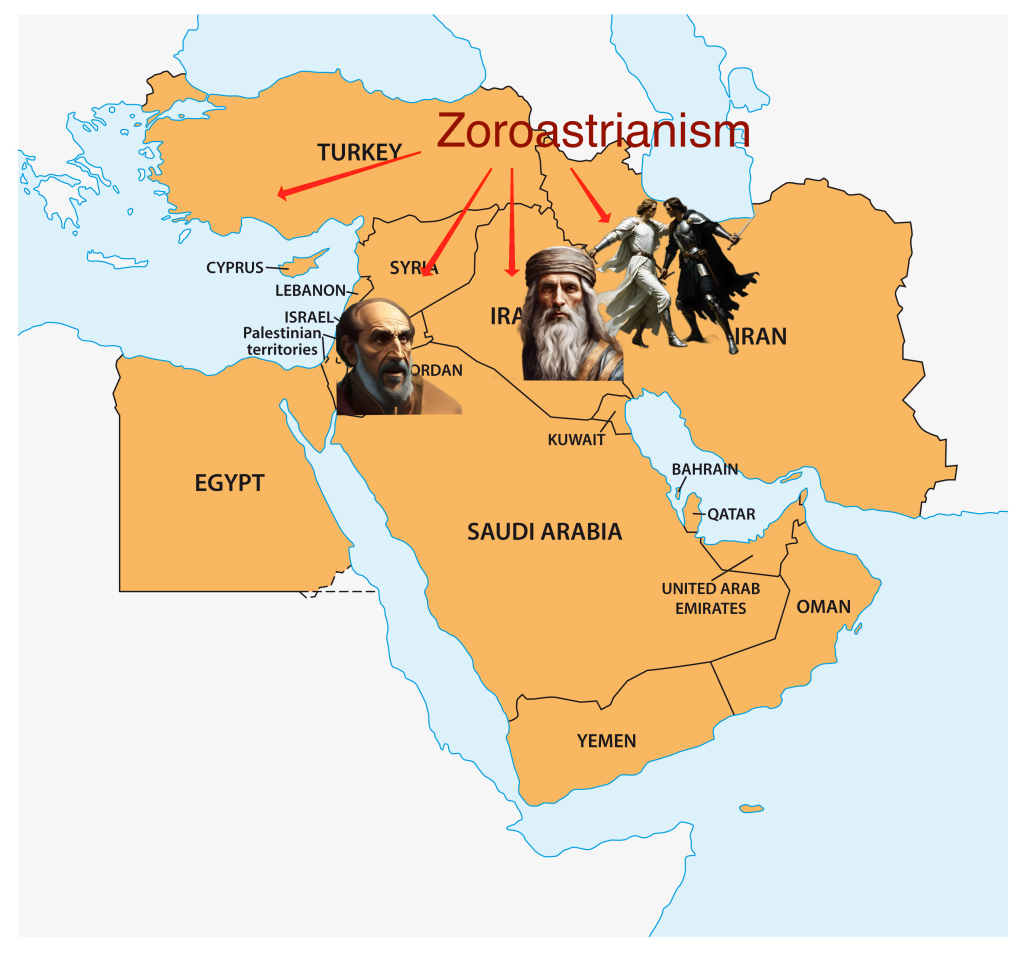
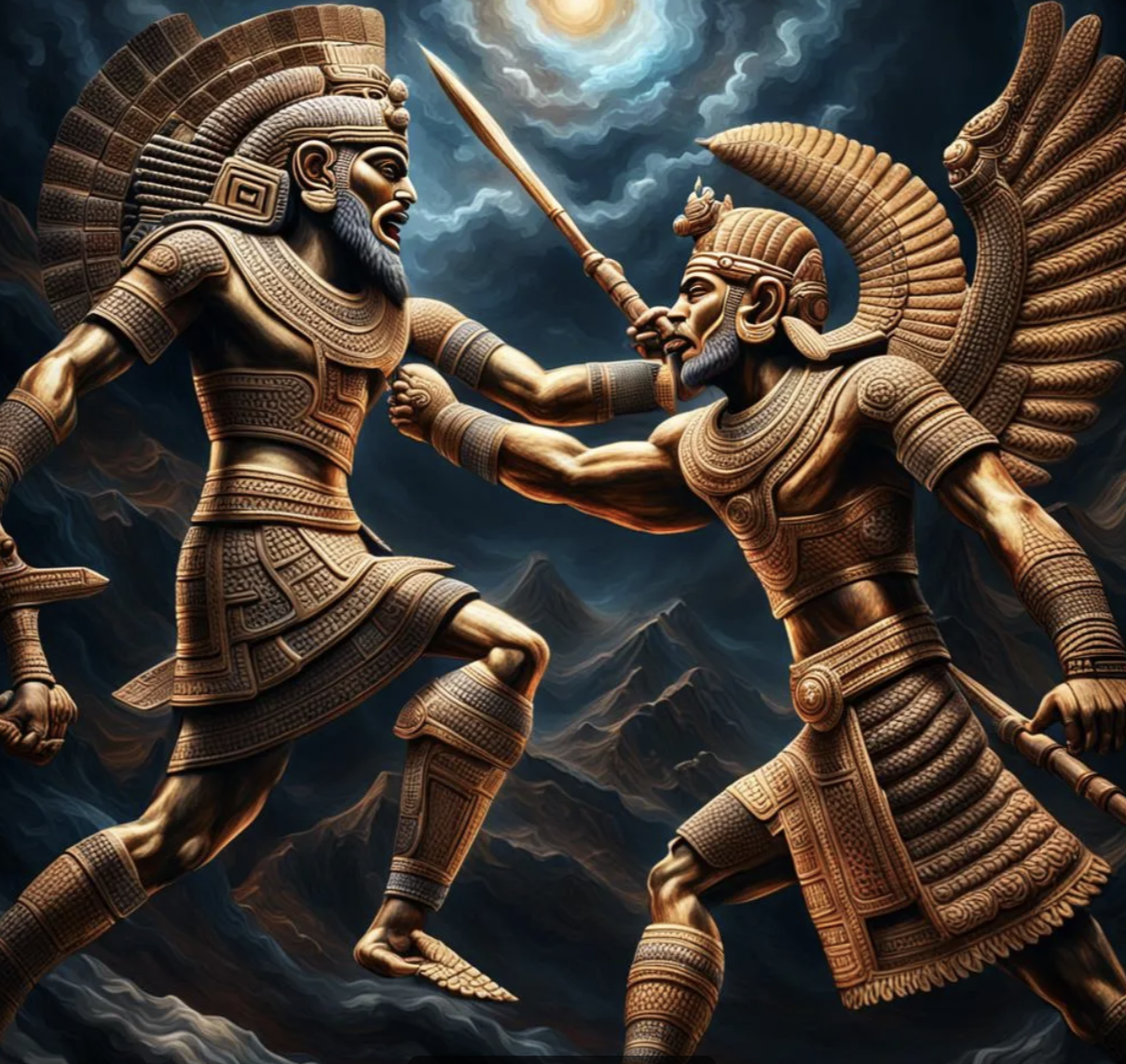
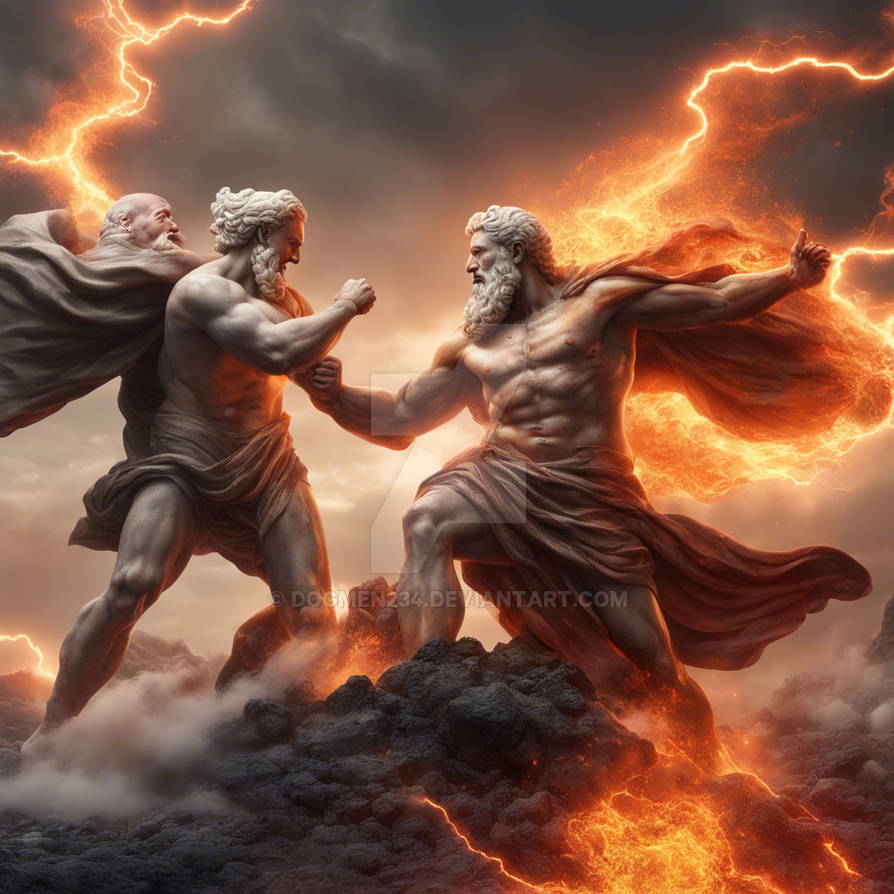
Notice the background I have added to his image. (We have no idea what he looked like. This is merely an image I find appropriate.) A background showing what appear to be two angels locked in combat. Clearly one is a Good Angel and the other an Evil Angel. Notice, suspended above them, something looking vaguely spiritual.

I use this Good Angel/Evil Angel backdrop to illustrate that Zarathustra, who lived (best we can tell) around 1500 BCE, built his theology on a prior theology. He built it on the theology of The Break that I keep referring to.

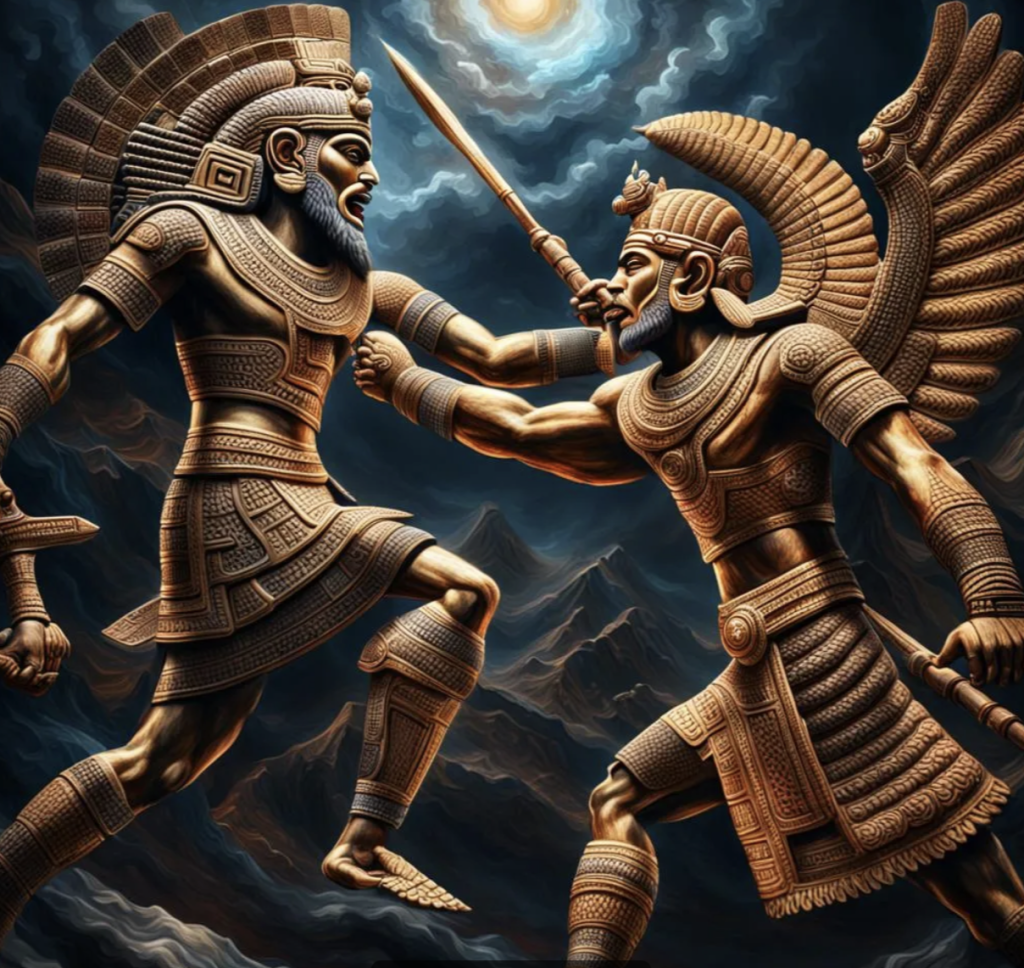
What we know with assurance is that around 8,000 BC (in some cases several thousand years earlier) the people living in the “green oval” region dreamed up a stunning, absolutely unprecedented idea that the world and everything in it was in the grip of a vast cosmic battle between Order and Disorder. A gargantuan combat between the forces of Cosmos (Order) and Chaos (Disorder). In other words, cosmic Good v. Evil.

The combatants were gods — sky gods, storm gods — who were people. Super men and women, if you like. They were not animals or plants. I emphasize: they were divinities who looked like people, thought like people, behaved like people. 

In short, the gods were an audacious projection of ourselves up into the heavens, the mysterious region from which came rain, storms, warmth, cold, light and darkness. 

By creating sky gods, communities of people living within the green oval now believed they could influence and even control the celestial, cosmic powers of rain and all manner of weather — like a cosmic chess game with human participation.

Over the centuries and millennia following c. 8,000 BCE there were thousands of these gods invented by a host of agrarian cultures that sprang up in this green crescent, including the Canaanite god, YHWH (Yahweh,[2]Pronounced “Yaw-way.” also known as Jehovah), offspring of the Canaanite god El, who also created Baal [3]Pronounced “Bail.”. The Canaanite tribe known as the Habiru[4]Pronounced “Habi-ee-rue.”, landless donkey merchants who traded goods throughout the region, adopted Yahweh (Jehovah) as their special deity. We know the Habiru as the ancient Hebrews who became the twelve tribes of Israel: the Jews

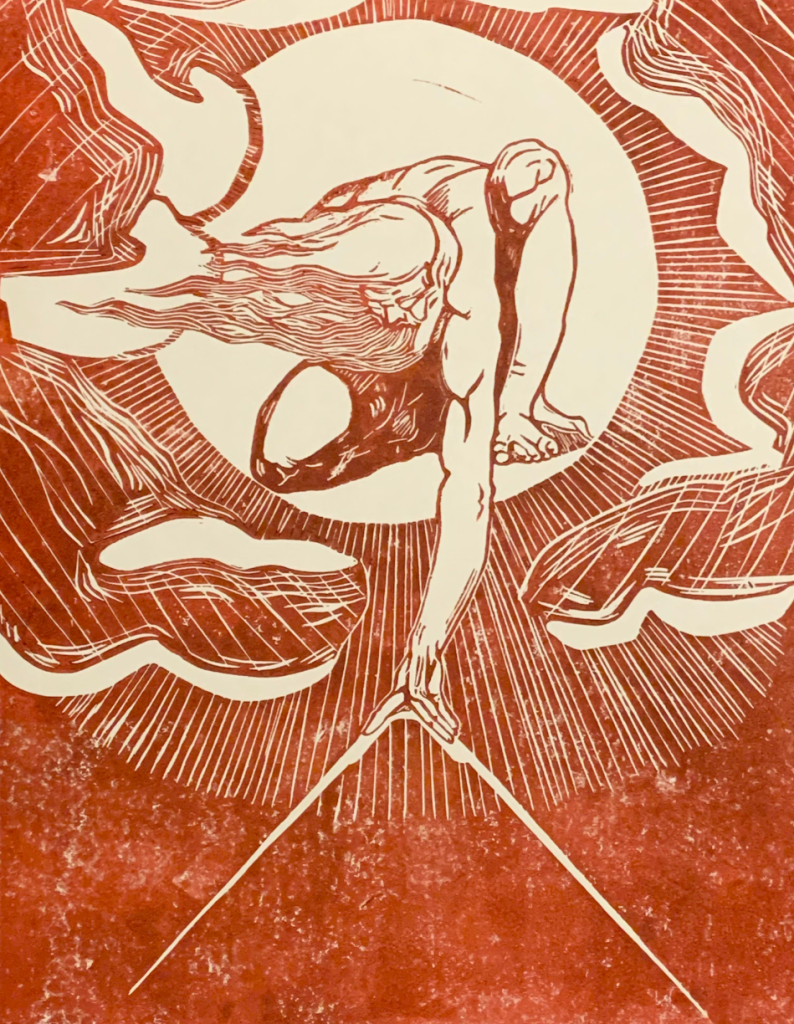
William Blake's concept of
Yahweh (Jehovah): "Ancient of Days"

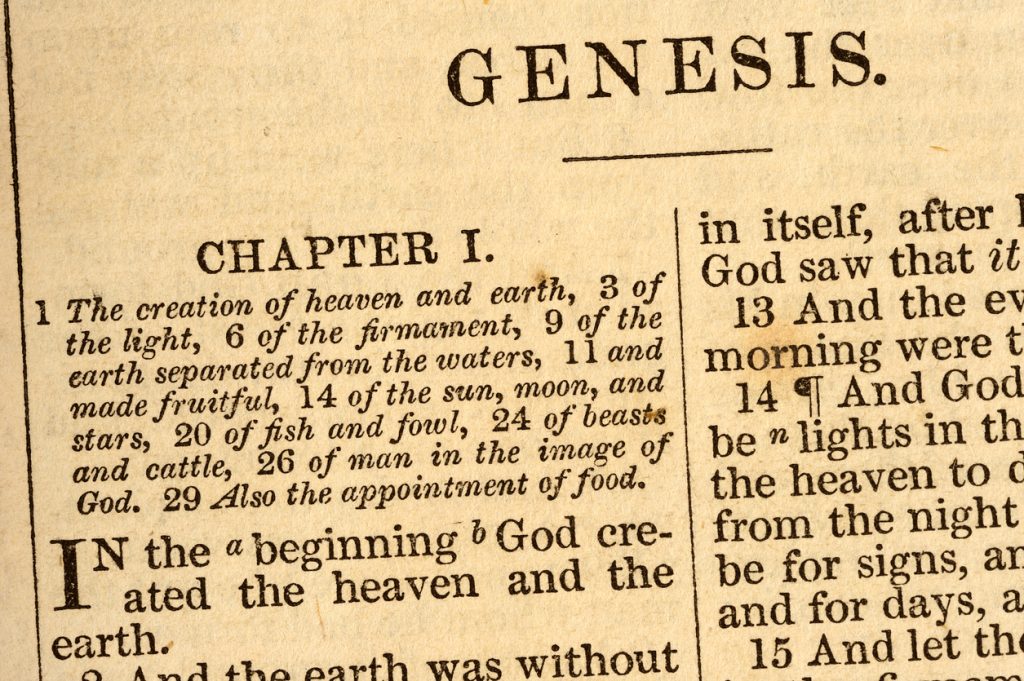
My point is that the YHWH (Yahweh/Jehovah) of the Genesis creation story (which, incidentally, is modeled on other Mesopotamian creation myths, with a spectacular garden and so forth) is in fact one of those sky gods. Ironically, scholars now know that Yahweh is basically the sibling of Baal — the deity whom the Old Testament Israelites abhorred and sought to annihilate.

Let’s catch our breath for a moment. Behold the origin of the absolute worst ideology to ever infect the mind of man: a bizarre cosmic contest between Good and Evil (Order v. Chaos) fought between heavenly deities allied with human devotees on earth. (Which begs the question: Who decided what was Good and what was Evil? This duality, this dichotomy, this split has bedeviled humanity ever since.)

When I denounce this as the worst ideology to derail the mind of man, I literally mean “man” and not “woman.” As we shall see as this narrative unfolds, Good v. Evil appears to have been a male invention. Women, alas, had little choice but to go along with it.

The archaeological evidence for The Great Combat Myth consists of clay figurines and images carved on stone pillars in the earliest of these agrarian, Neolithic communities — basically towns and small cities. I refer to Jarmo, Shanidar, Shimshara, Bestansur, Gobekli Tepe, Catalhoyuk, and many others — some of them shown on the map, above.

Of course there are no written records of the beginning of the Combat Myth, since it predated literacy — writing, which would have been cuneiform figures on clay tablets. The stories were passed down through the generations orally, like the Greek Homeric stories would be.

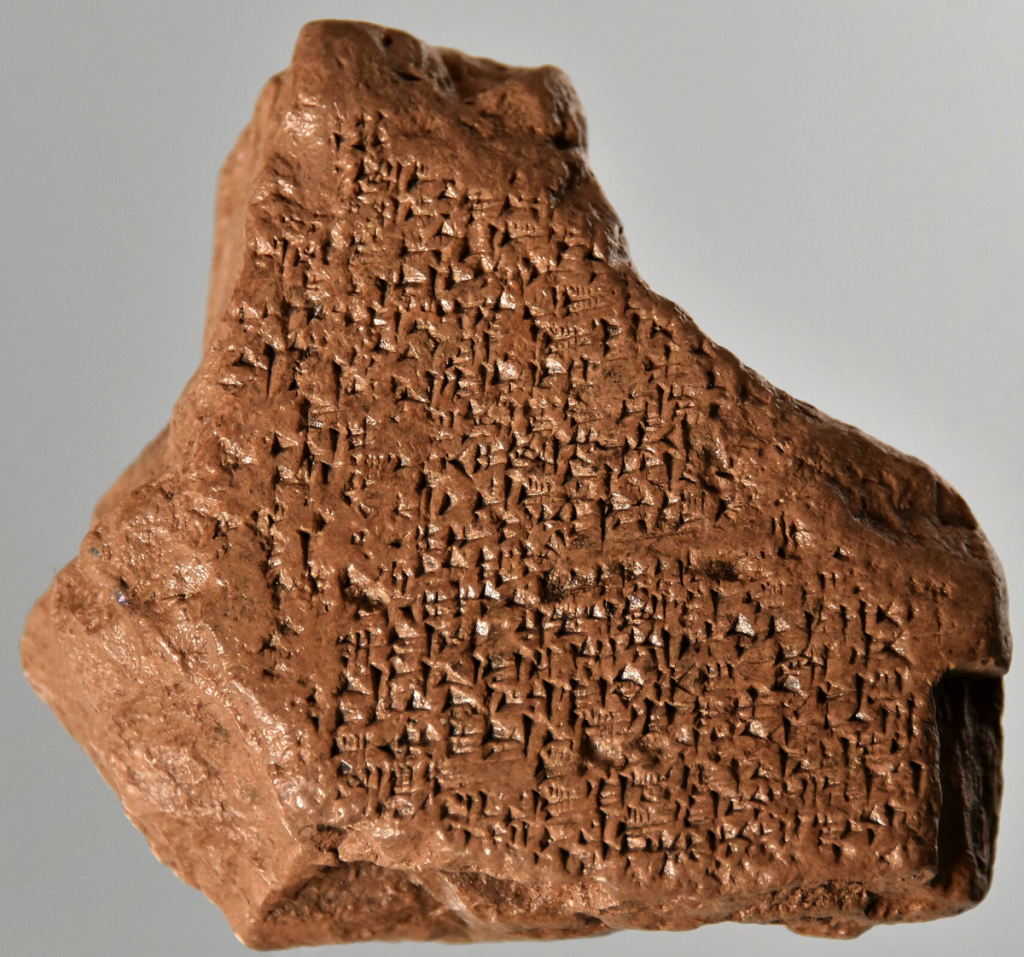
Eventually, thousands of years after the Combat Myth gets going, the various oral narratives were recorded on clay tablets. The most famous and probably the earliest and certainly the most complete is the Babylonian Enuma Elish, on the violent origin of the sky gods. This is accompanied by another Babylonian epic, the Gilgamesh Epic, on the conquest of “wildness” and, according to my reading, of the bear (the Keeper of the Game).

Fragment of a Gilgamesh Epic tablet
I hope to discuss the Gilgamesh story in these pages at some point; it is critical to understanding “the breaking away” from the Paleolithic view of the cosmos (which I lived with for 2 years on the Alaska tundra) and the inauguration of the Neolithic view — the Cosmic Combat, Good v. Evil view (which you and I both grew up with).

It was Zarathustra (“Zoroaster” in Greek) who “gifted” us with the idea of hell, Satan, sin, a Messiah (in part to save us from the sin and hell he, Zarathustra, invented), and an apocalypse.

In case you are new to the term, the apocalypse[5]Pronounced “a-pock-a-lips.” is the belief that there will be a final, conclusive defeat of the cosmic evil (Chaos) which had been invented and set in motion in The Break, as described in the preceding paragraphs.

As I said in the last article, Zarathustra’s teachings (the Gathas[6]Pronounced “Gat-tez.”) became the basis of a compelling religion,  Zoroastrianism, that spread throughout the Near and Middle East in the centuries after his death — centuries wherein the prophet’s followers elaborated and expanded upon the master’s Gathas (presented as “hymns,” much like the biblical Psalms) in texts known as the Yasna liturgy.

We must appreciate that all of this doctrine — cosmic Good v. Evil, hell, Satan, sin, the prediction of a Messiah, with the whole shebang ending in a mushroom cloud in the Apocalypse — was wreaking its military and psychological havoc long before the Old Testament and, of course, New Testament were written. 

Tragically, the Old and New Testaments, Judaism, and Islam show overwhelming evidence of being profoundly influenced by Zoroastrian scripture (i.e., Zarathustra’s original Gathas plus the larger body of the Yasna).

The puppeteer of cosmic Good v. Evil
that has tormented
humanity since 8,000 BCE
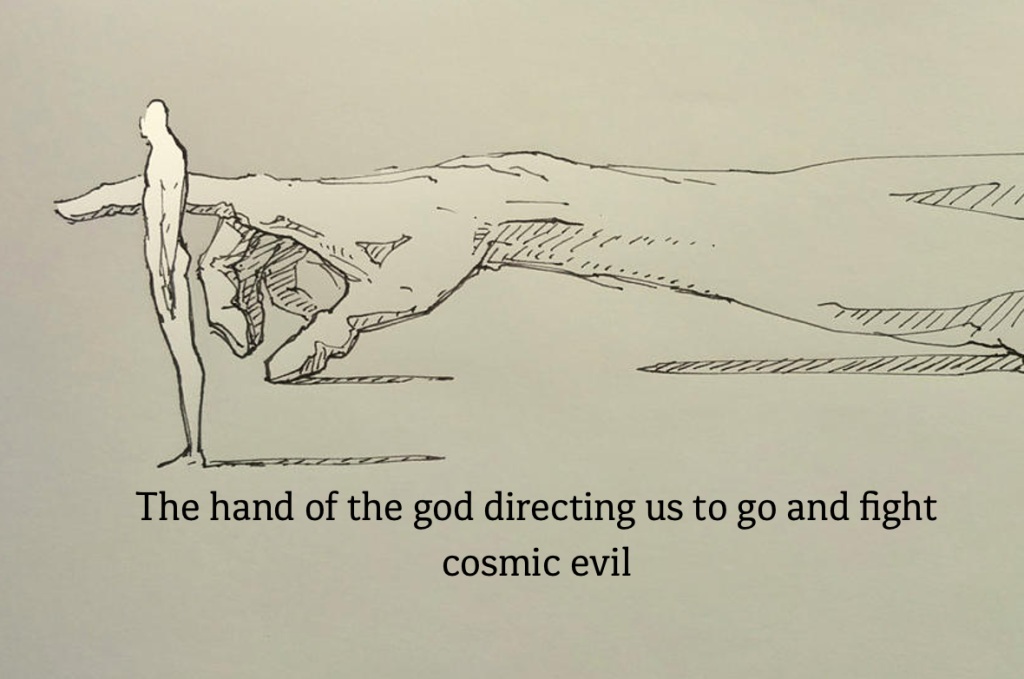
Which brings me to the painful topic of “holy wars.” One of Zarathustra’s most disastrous contributions to the Combat Myth was to teach believers that we humans are to be warriors in the cause of cosmic Good v. Evil. Thus, the battle was not only between cosmic deities and agencies; the heavenly battle was to be joined and fought, literally, by man and woman on earth

St. Paul’s imagery of Christianity as a “fight,” and his famous (paraphrased) admonition to “fight the good fight” can be traced back 1500 years to the Persian prophet, Zarathustra

In a future article I will take up the thorny issue of whether Paul (Saul) genuinely spoke for Jesus when he used a military analogy — as in waging war — when exhorting Jesus’s followers to spread the Good News (Gospel). Or was the former Pharisee parroting Zoroastrian theology and the Combat Myth?

In case you’re wondering what I am talking about, listen to the Christian hymn,Onward Christian Soldiers or “The Battle Hymn of the. Republic.” (Click on each title, put on your headphones, and listen — listen to the entire song. Return to this tab as you listen.) The latter was the rallying anthem for the Northern states against the Southern in the American Civil War — a horrific internecine war I am all too familiar with. 

repeat, are these lyrics and their message derived from Jesus or Zoroaster-via-St. Paul

Robespierre,[7]Pronounced “Robe-es-speer.” the French revolutionary considered most responsible for the guillotine bloodbath known as the Reign of Terror during the French Revolution, is said to have summarized “militant” Christianity with the phrase, “Through oceans of blood to the City of Love” — a reference to the so-called New Jerusalem that would come to pass on the eve of the Apocalypse.

  • 1
    The Combat Myth

    8,000 BC Mesopotamia

  • 2
    Zarathustra

    1500 BC Mesopotamia

  • 3
    St. Paul

    AD 50

  • 4
    "Biblianism"
Jesus of Nazareth

Jesus of Nazareth was not part of the Combat Myth and Zarathustra’s “corollary” that humans are ensnared in this horrific and insane cosmic chess game. 

I suspect this observation goes a long way toward explaining why his disciples and St. Paul had difficulty understanding the man, for it’s clear from the Gospels, at least, that Zoroastrian concepts of Good and Evil were all too familiar to Jesus’s audience — as when he was asked whose “sin” was responsible for someone’s infirmity. 

Or when the “woman caught in the act of adultery” was about to be stoned for her “sin.”

The teachers of religious law and the Pharisees brought a woman who had been caught in the act of adultery. They put her in front of the crowd. ‘”Teacher,” they said to Jesus, “this woman was caught in the act of adultery. The law of Moses says to stone her. What do you say?” (John 8:3-5, New Living Translation).

Jesus’s response, the Gospel writer tells us, was to crouch down and write “with his finger on the ground.” Standing up, he turned to her accusers, saying, “Let him who is without sin among you be the first to throw a stone at her.” Whereupon he bent down and continued writing in the dirt.  As he did, they all drifted away.  “Jesus was left alone with the woman standing before him.  Looking up at her, he asked, ‘Woman, where are they? Has no one condemned you?’ ‘No one, Lord,’ she replied.Neither do I condemn you; go, and do not sin again.’” (John 8:6-22, Revised Standard Version)

Did he truly tell her not to “sin” again? After all, the entire episode suggests that he didn’t believe in “sin” as a cosmic phenomenon. At most Jesus seems to have believed (and preached) we need healing from the Zarathustran (and, by extension, Mosaic) doctrine of sin-as-cosmic-trespass with its accompanying guilt and shame.

The difference in the two views of sin is huge. I will explore this in the appropriate context. For now, hang onto this story and my commentary.

My point is that Jesus knew something older, more real and important than The Big Chess Game in the Sky. I believe I can plausibly demonstrate that he and his Good News (Gospel) originated within the worldview and, above all, the physics of The Ruler before The Break.

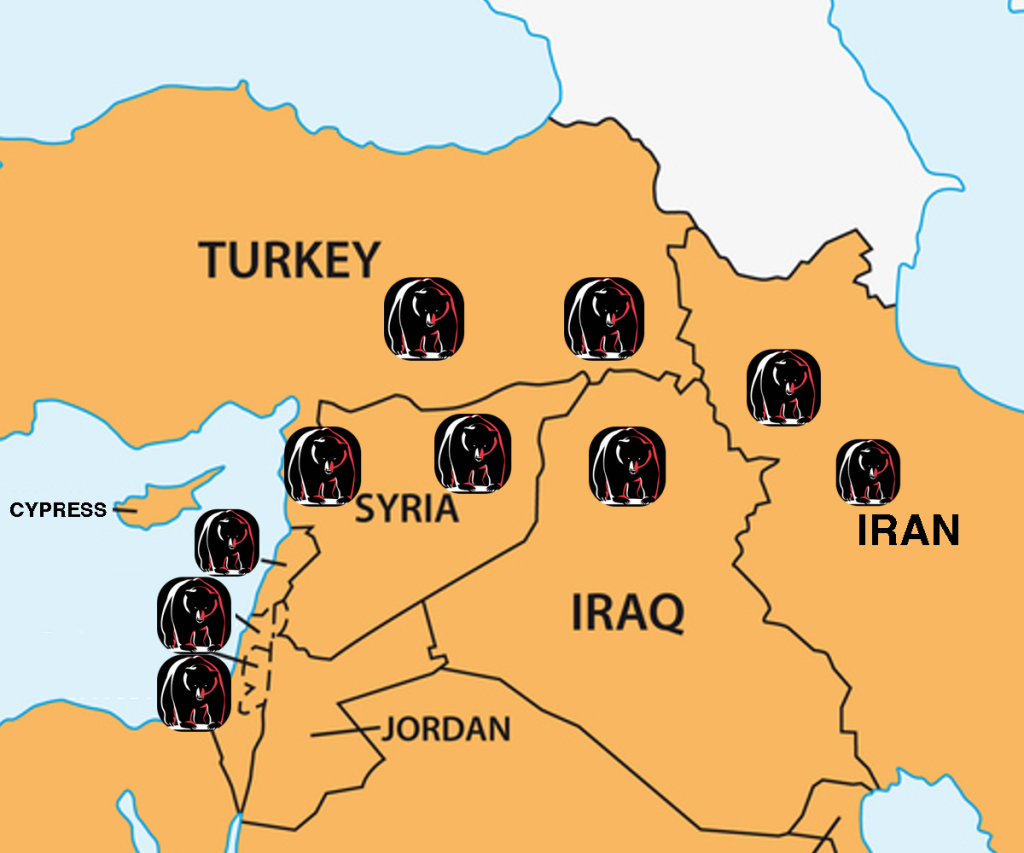
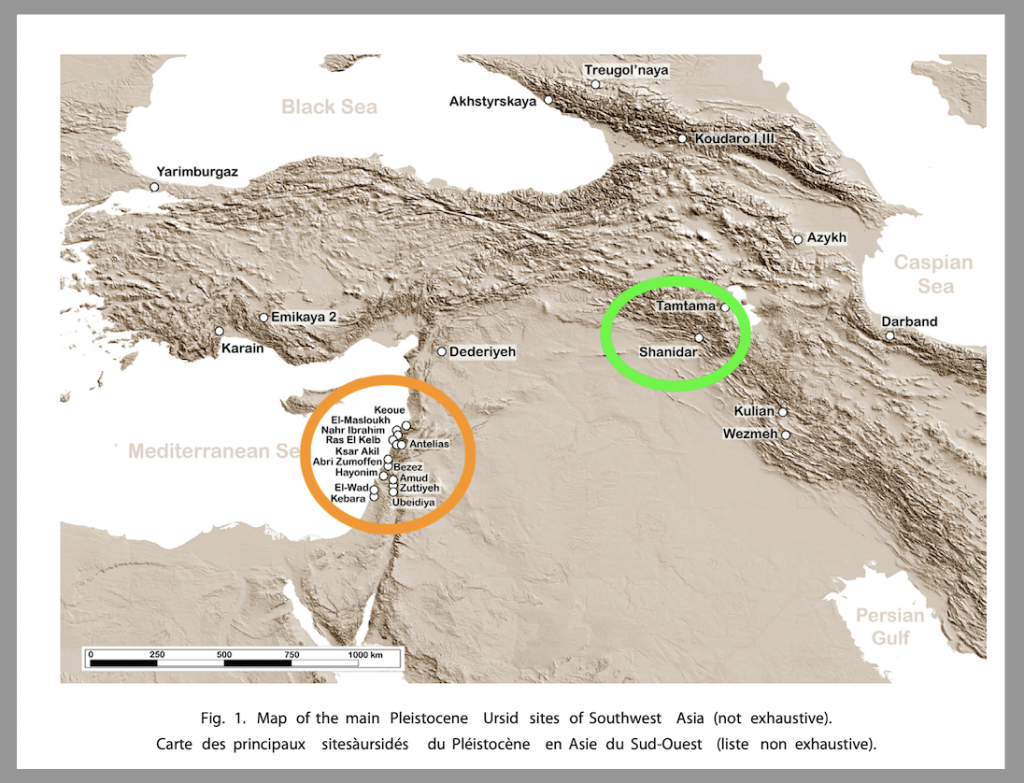
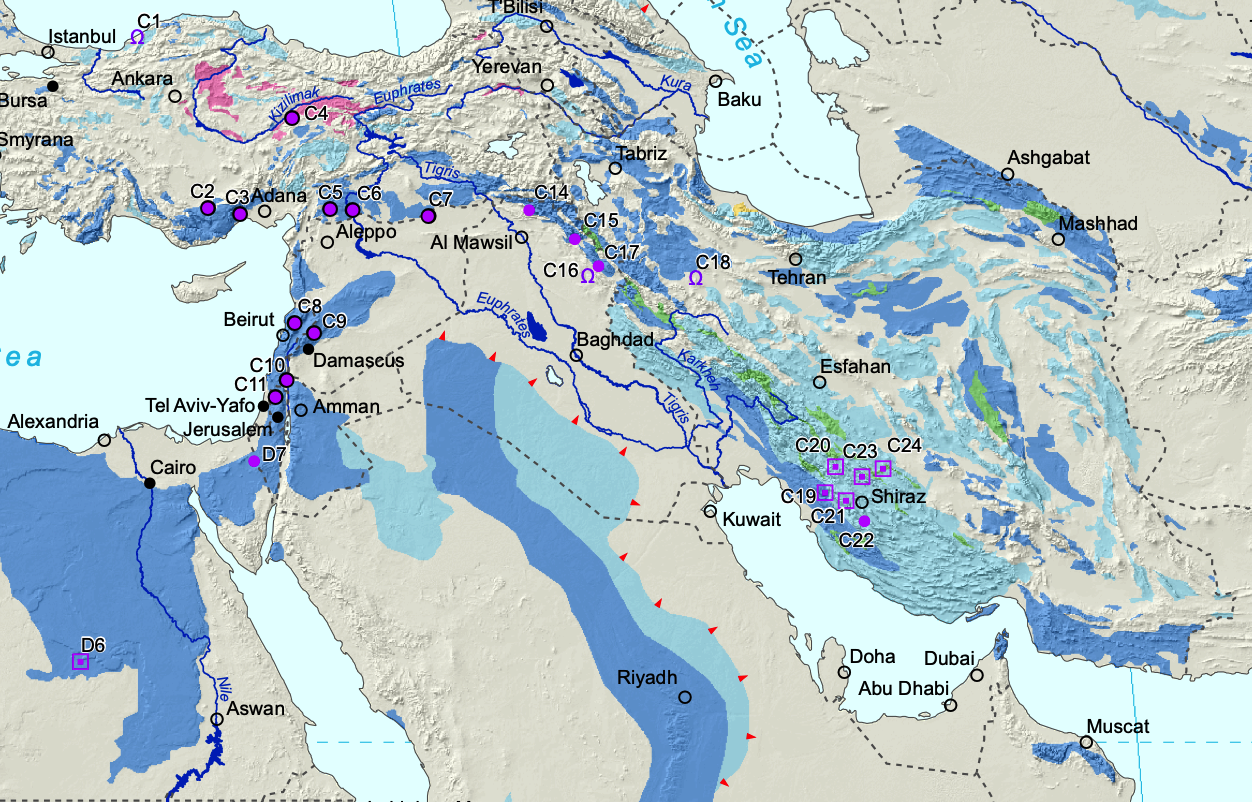
This brings me to these two maps. Once again, I believe I can demonstrate that Jesus may have had some experiential knowledge of them. (Yes, those are bears in the top map. It’s derived in part from the bottom map: a partial list of karst cave “bear” sites during the Pleistocene.) The maps are accurate and true — and important.

If he didn’t know about the map, or the portion of it around Galilee, he sure as heck behaved as if he knew its significance.

Map of the main Pleistocene Ursid (bear) sites of Southwest Asia (not exhaustive)

In the meantime, I leave you with the thought that the man who told people they must become as children, understood this child’s need for a bear. If you throw your mind back to your childhood, you will remember that need, and perhaps weep with a sense of joy mixed with loss.

Tell me, why did you give up the bear? 

When you did, you suffered your own Break.

  • 1
    Karst topography

    Billions of years ago

  • 2
    Karst Caves

    Hundreds of millions of years ago

  • 3
    Cave Bears

    Millions of years ago

  • 4
    Child and Bear

    This will require some explaining. (Click on this text. Put on headphones. Listen to the entire song.)
Recommended Reading

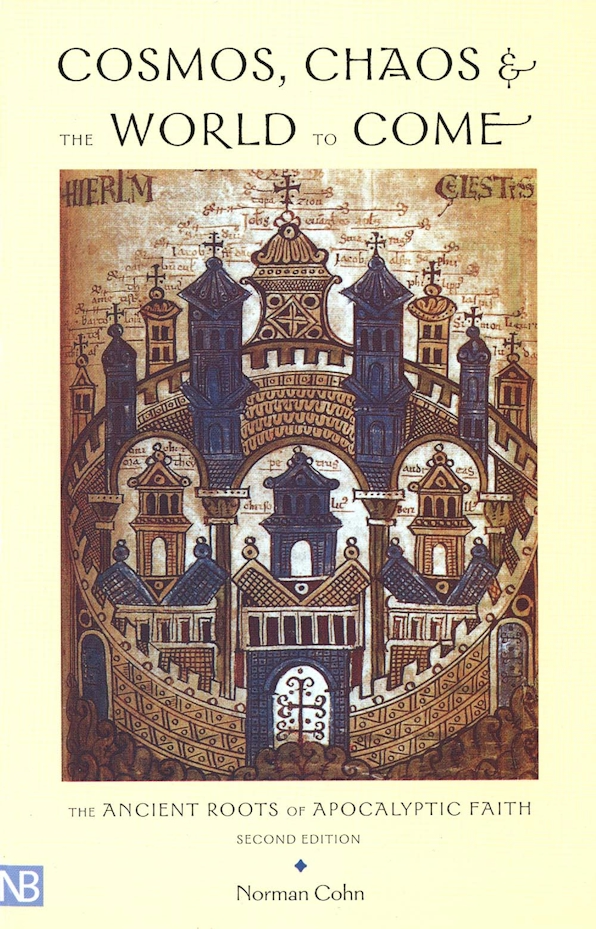
Norman Cohen, Cosmos, Chaos, and the World to Come: The Ancient Roots of Apocalyptic Faith

Excellent, highly recommended analysis of The Combat Myth and Zoroastrianism. Written by a distinguished British historian.
Alberto Green, The Storm-God in the Ancient Near East

Superb discussion of the sky gods/storm gods. Written by a former colleague of mine at Rutgers.
Daniel Schwemer, The Storm-Gods of the Ancient Near East: Summary, Synthesis, Recent Studies, Parts 1 and 2.

Another excellent scholarly discussion of ancient Near Eastern storm gods/sky gods.
S. Insler, The Gathas of Zarathustra

The most authoritative translation and commentary on Zarathustra's Gathas, written by a Yale University professor of Near and Middle Eastern ancient religions.
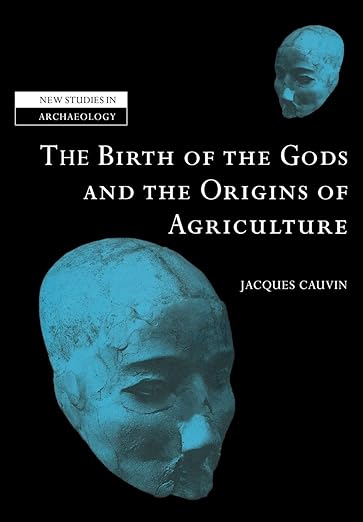
Jacques Cauvin, The Birth of the Gods and the Origins of Agriculture

Written by a French archaeologist toward the end of his career, having spent his adult life excavating major Pleistocene and early Neolithic caves in the Fertile Crescent.

Andrew Saltarelli, Leaving Home

A tour-de-force written by a new young scholar on the trauma caused to humanity by giving up the Paleolithic worldview. The book got a rave review by the chief book reviewer for The New Yorker, James Wood.

Facebook
X
LinkedIn

References

References
1 Pronounced “You-pick.”
2 Pronounced “Yaw-way.”
3 Pronounced “Bail.”
4 Pronounced “Habi-ee-rue.”
5 Pronounced “a-pock-a-lips.”
6 Pronounced “Gat-tez.”
7 Pronounced “Robe-es-speer.”