





RiverCityMalone.com

On the issues that matter in Malone NY (USA)

Have you ever met a saint?

Part 3:

The Ruler

Picture of Calvin Luther Martin, PhD

Calvin Luther Martin, PhD

March 11, 2026

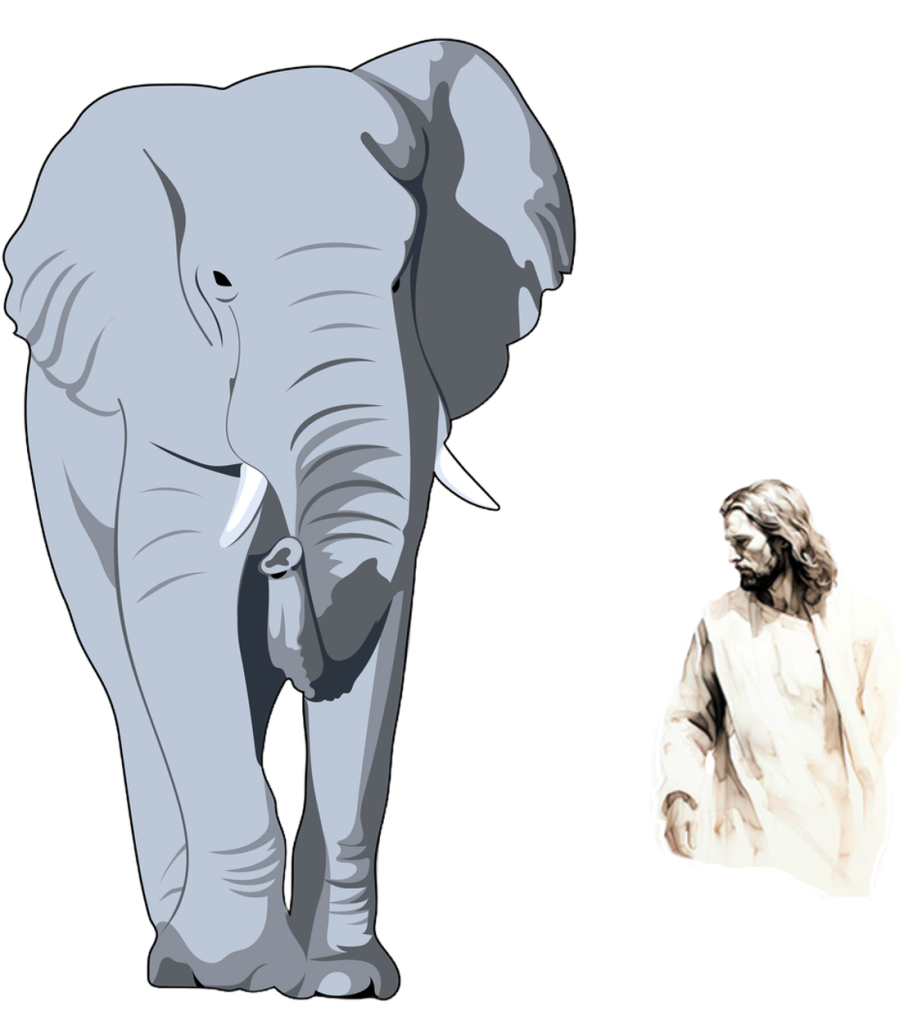
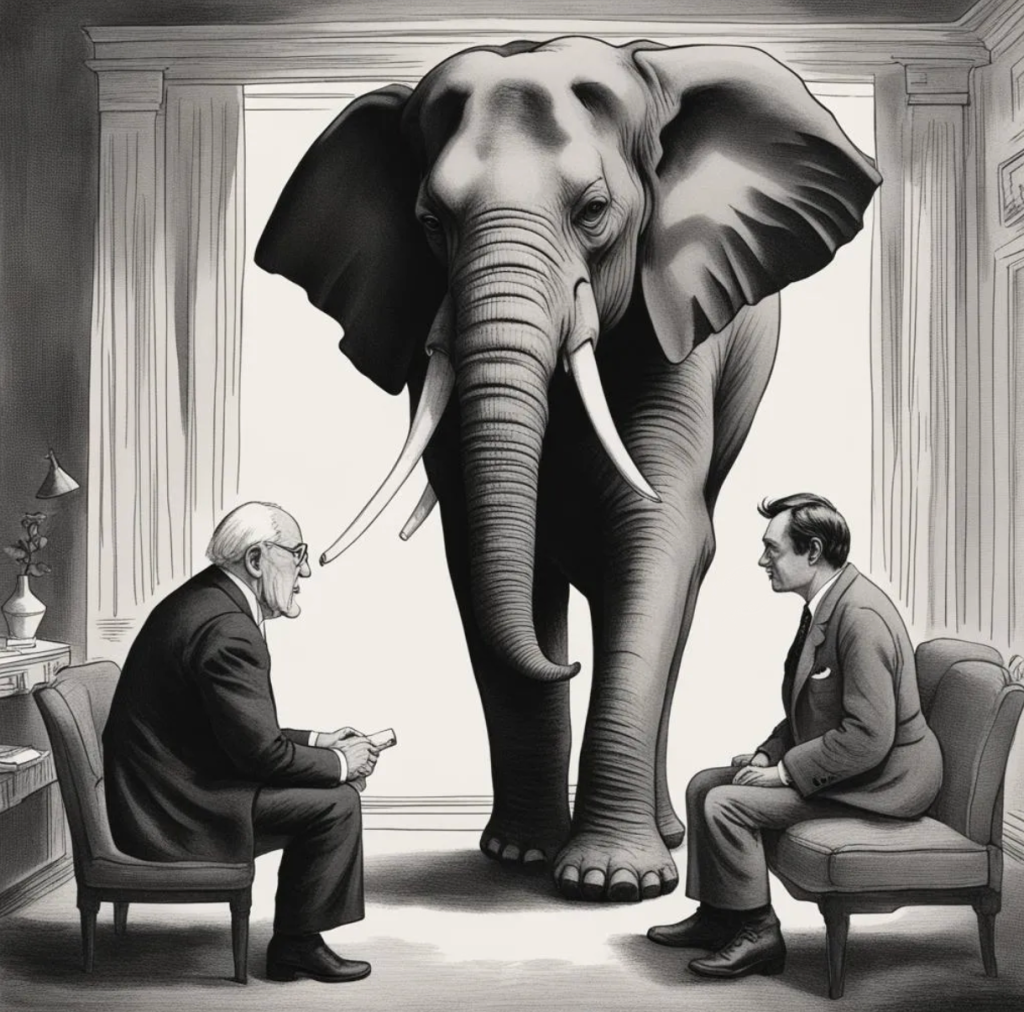
The Ruler is the Elephant in the room

Before launching into this article, I must put on my academic regalia and become professorial. I am going to tell you information — rock-solid information — about human history that some of you won’t want to believe, despite, as I say, that what I am about to tell you is indisputable among scholars.

You won’t want to believe what I say because you’ve been brainwashed and, to put it bluntly, propagandized — ironically, by thousands of years of ignorant scholars and academicsto ignore or trash everything about humanity except for the last 10,000 years.

The reasons for this bizarre state of affairs will become evident as these articles unfold. For now, just take my word for it.

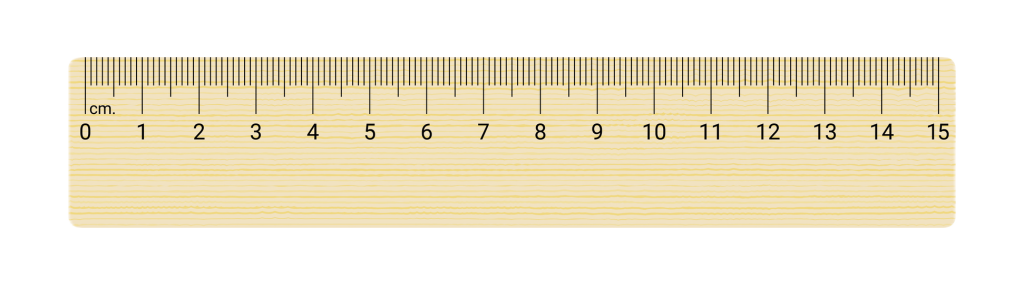
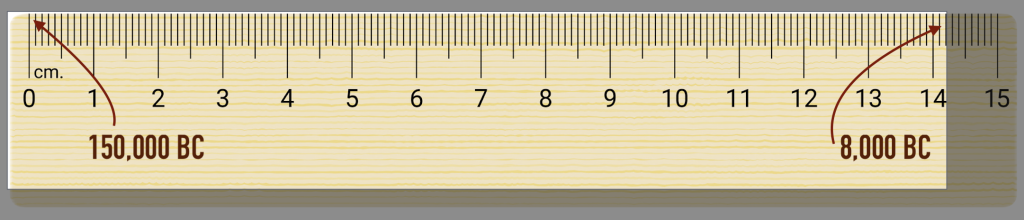
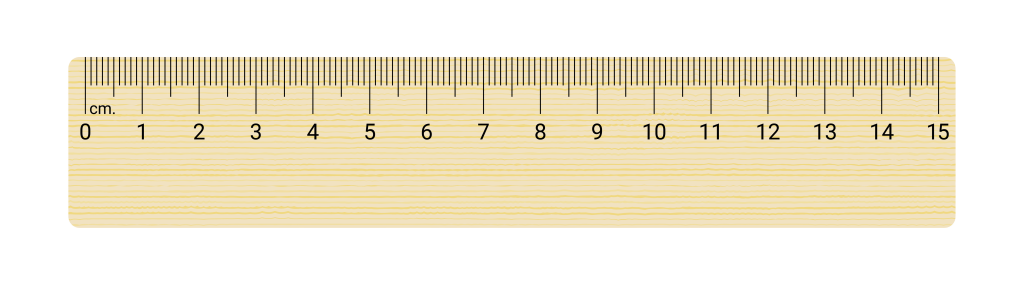
Put simply, any realistic and academically responsible discussion of humanity must include the past 150,000 years — at a minimum. In the article, below, I refer to this 150,000-year history as the Ruler.

When scholars — or anyone, for that matter — goes back only as far as 10,000 years from the present, and ignores everything before that as somehow, miraculously, irrelevant to “the human condition” — the result is a massive distortion of the human enterprise.

More importantly, it smashes human consciousness — like shattered dishware. Yes, your consciousness and mine. Yes, today, in your lifetime and mine.

We wind up not knowing who we are. Existentially lost and neurotic.

A half dozen or so years ago I had an email exchange with an eminent historian, whom I won't name, wherein I pointed out that Jesus doesn't make sense without our understanding the Ruler — all of the Ruler, going back at least 150,000 years. He didn't respond. I imagine he wrote me off as a kook, despite my having scholarly credentials that at least match his.

I think of this image when I recall our conversation — with me on the right and him on the left (he's older than I am).
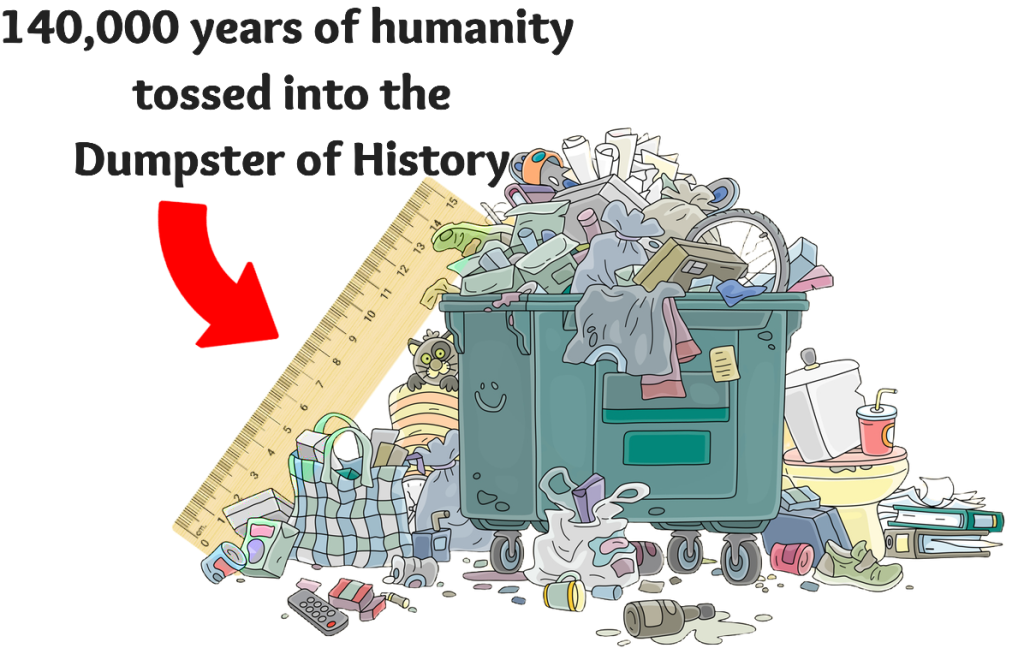

Do this. Take a deep breath and consider that everything you learned from kindergarten through graduate school in science, philosophy, religion, literature, history, and so on was generated within the last 10,000 years in order to bury, refute, or otherwise (unsuccessfully) reckon with the preceding 140,000 years of human consciousness — presumably out-of-sight, out-of-mind, except for archaeologists — yet still whirring away in your mind.

The presumption that this consciousness is irrelevant to you and me or that it resulted in a “nasty, brutish, and short” life — is rubbish.[1]Thomas Hobbes, Leviathan. I call this presumption The Great Trashing.

The Great Trashing
What does all this have to do with Jesus?

It has everything to do with Jesus! He implicitly confronted the elephant, beginning with the 40 days in the Judaean[2]Pronounced “Jew-day-an.” wilderness.

If we are going to take him seriously and understand him — and this, after all, is the point of this series — we too must come to terms with it.

Note that his disciples didn’t understand him, at least while he was alive. The Gospels are clear about this. The disciples didn’t understand him because, like you, they didn’t know what I’m about to tell you — about the Ruler and its implications and repercussions.

The elephant is: “The inescapable reality of the Ruler.” But, I forewarn you, the Ruler will take us into a different perception of reality itself.

In my last article I told you I would be discussing St. Paul, next. I subsequently realized that I can’t properly talk about Paul till I have explained the Ruler. For, as (I hope) you will eventually see clearly, there is some doubt whether St. Paul understood Jesus. 

Historians have long questioned whether Paul hijacked Jesus’s message. So did some of Paul’s contemporaries. Clearly, Saul (which was his real name) was a controversial man.

Whether or not he hijacked Jesus’s message is a question you will have to answer for yourself. All I ask is that you wait till I am done with this series before you answer it. (In saying this, I am not slying suggesting that Paul did hijack Jesus’s Gospel. Personally, I think the issue is more complex than this — as I will discuss in future articles.)

St. Paul
Why I am so focused on St. Paul

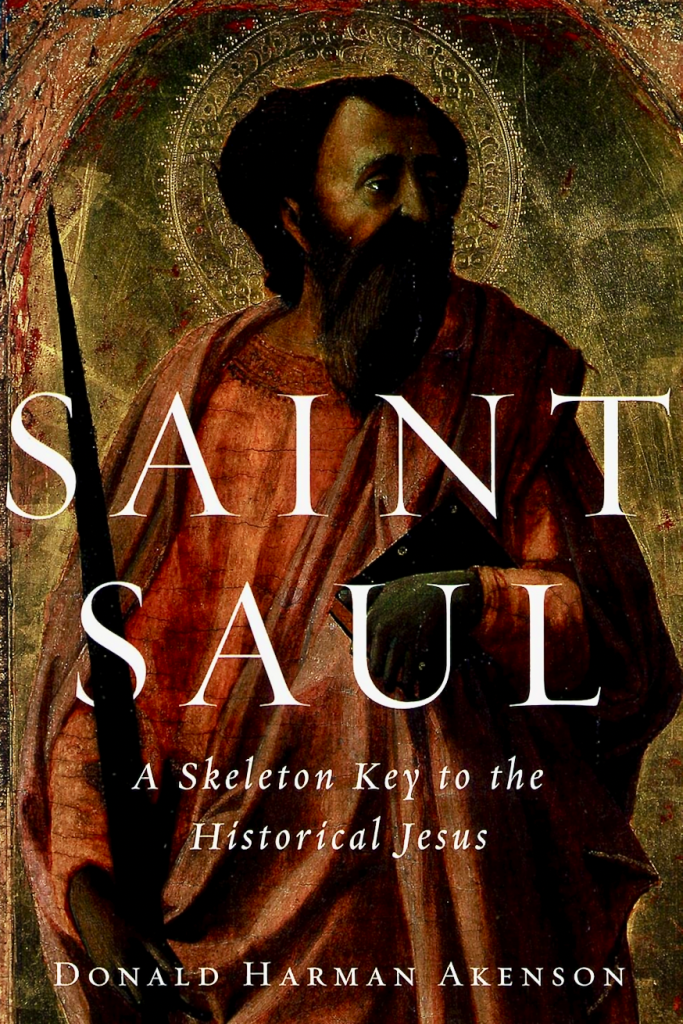
I realize I keep bringing up St. Paul. I do so because he is, as Prof. Donald Akenson[3]Pronounced “Ache-in-son.” titles his book, below, the “skeleton key” to the historical Jesus. We can enlarge this to say Paul is the key to understanding the entire religion of Christianity — something I have pointed out before. 

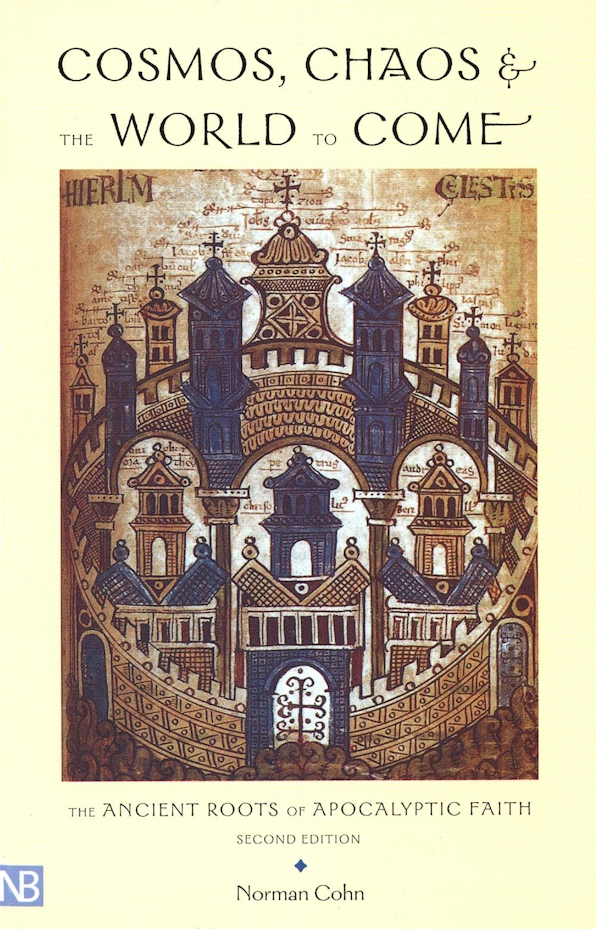
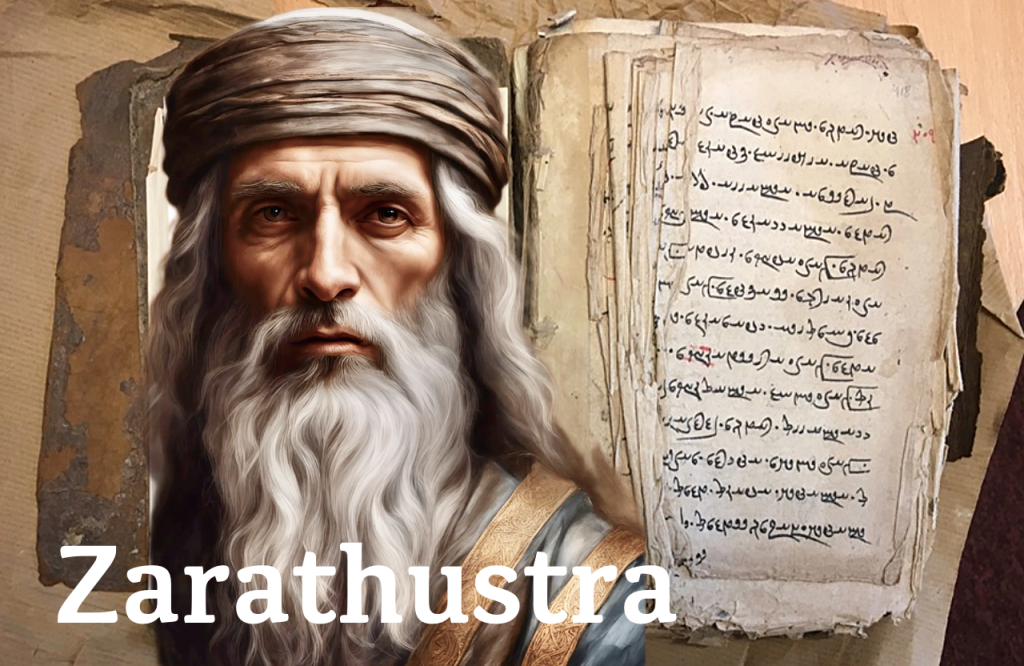
I will be examining Paul through the lens of the three books shown below. In a future article, not today. I merely want to alert you to these books and, especially, the “Gathas[4]Pronounced “Gat-tez.” by a man named Zarathustra[5]Pronounced “Zara-thoo-stra.” (see the book on the right).

A moment ago I said Paul is vital to understanding Christianity as it evolved in its various expressions since Jesus. Now I will say that Zarathustra is important for understanding Paul.

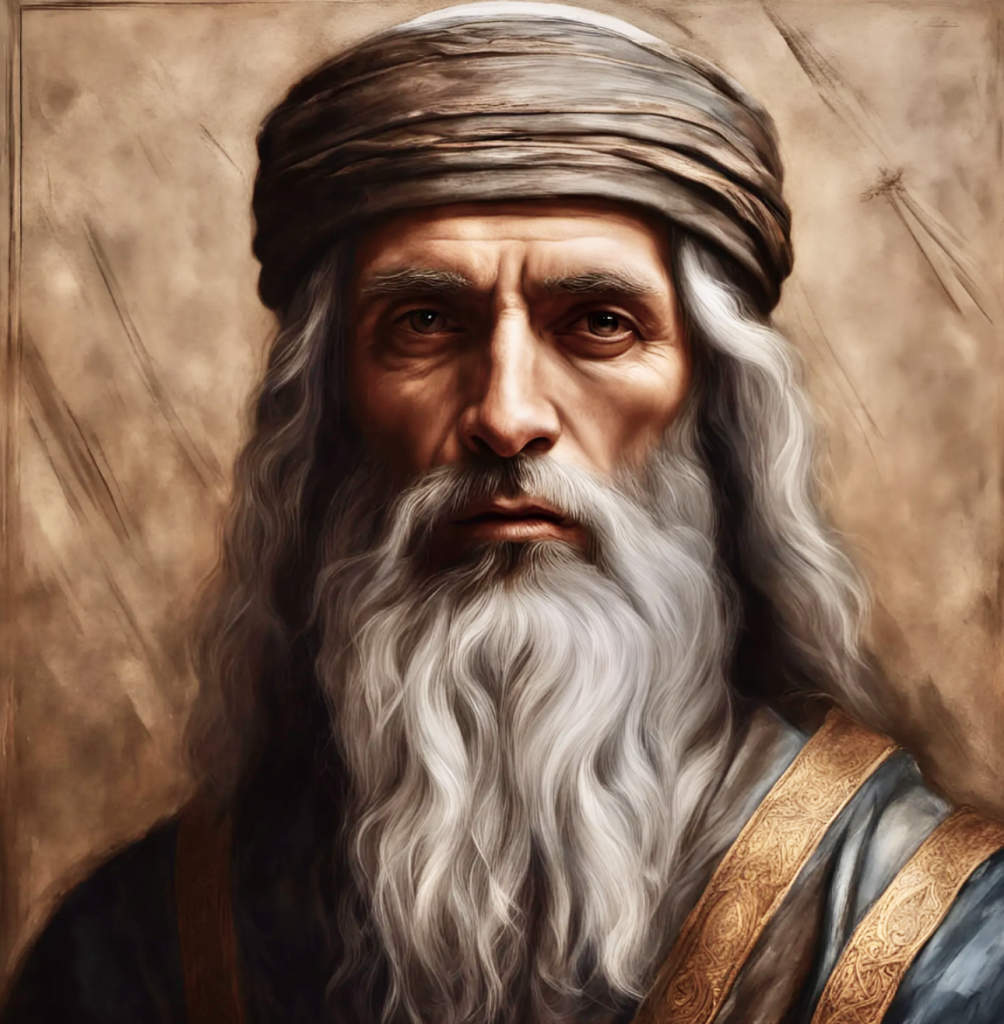
Zarathustra, a Persian prophet who lived sometime between 1500 and 1200 BC — that is, 1500 years before Paul lived. He founded Zoroastrianism,[6]Pronounced “Zoro-ass-trianism.” a powerful religion that spread through much of the Near East and remained prominent till the Arab conquest of Persia between AD 633 and 651.

Zarathustra (Zoroaster)
Click image to open link
The Ruler

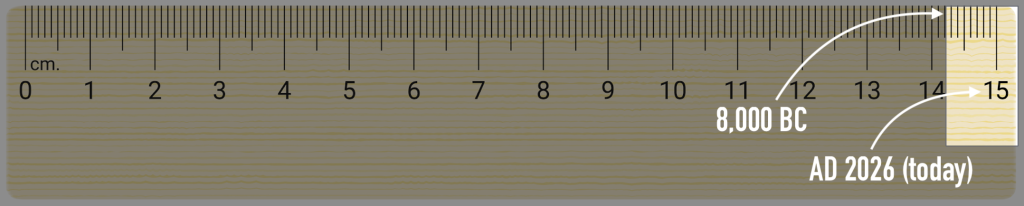
The Ruler. This 15 cm ruler illustrates the last 150,000 years of human history, from the 15 cm mark (which is today) back to 150,000 BC (0 cm mark) during the waning years of the last Ice Age (the Pleistocene[7]Pronounced “Plice-toe-seen”). Mark my words carefully: this is 150,000 years of human history: our forebears.

What’s essential to understand is that their mind remains our mind. Yes, this includes Neanderthals[8]Pronounced “Knee-ander-thalls.” who, by the way, were not fools or nitwits, as we commonly believe. They created stunning art, for one thing. They also had a profound way of thinking and “being” — a mode of consciousness — that we need to come to terms with. Yet archaeologists (save for a handful of the most courageous) refuse to acknowledge any of this.

Click image to open link

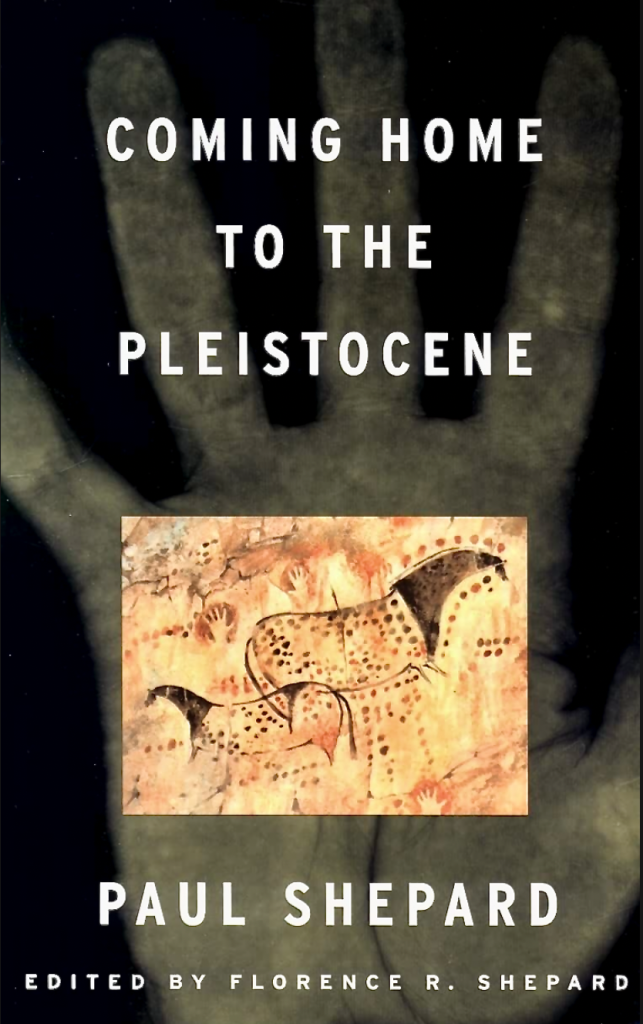
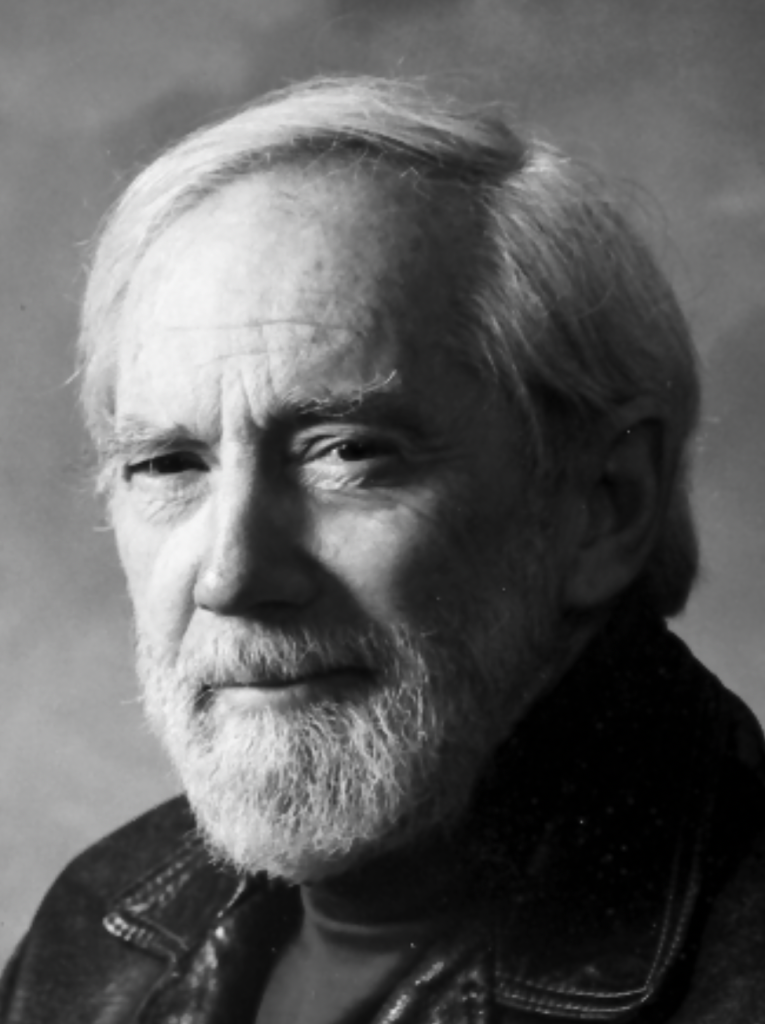
Carl Jung,[9]Pronounced “Yung.” Paul Shepard, Robin Fox, Loren Eiseley[10]Pronounced “Eyes-lee.” and others underscore that “their mind is our mind,” and, furthermore, that our amnesia about their mind has made us neurotic — and, I would add, made us dangerous to ourselves and the earth and all that dwell therein.

Prof. Paul Shepard
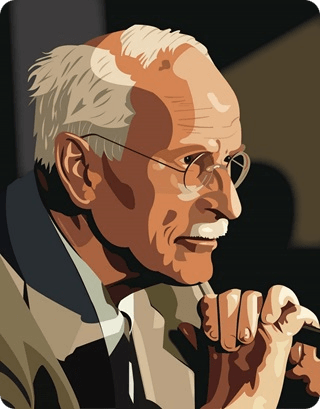
Carl Jung, MD

His [mankind’s] beginnings are not by any means mere pasts; they live with him as the constant substratum of his existence, and his consciousness is as much molded by them as by the physical world around him. . . . Just as the body has an anatomical prehistory of millions of years, so also does the psychic system. And just as the human body today represents in each of its parts the result of this evolution, and everywhere still shows traces of its earlier stages — so the same may be said of the psyche. Consciousness began its evolution from an animal-like state which seems to us unconscious, and the same process of differentiation is repeated in every child. 

— Carl Jung, Memories, Dreams, Reflections,” pp. 341, 348.

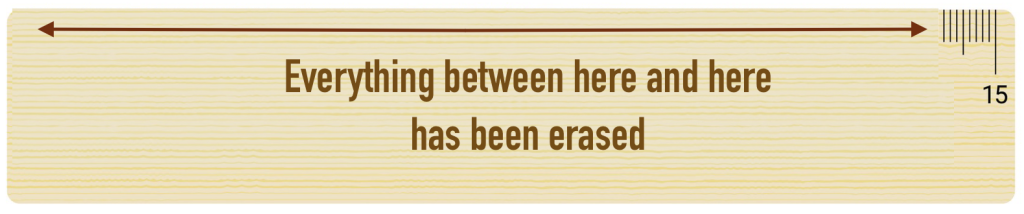
The Ruler: The Break

The Break. Around 8,000 BC something began to happen in the Near East (Turkey, Iran, Iraq, Syria, Lebanon, Jordan, Israel/Judaea). Something monumental. There was a “mentality” shift that included the appearance of authoritarian sky gods (also called “storm gods”), the beginning of social hierarchy, priest-kings, and larger settlements (leading to the rise of cities such as Babylon[11]Pronounced “Bab-il-on.” and Jericho[12]Pronounced “Jer-a-ko.”).

The Ruler: The Great Forgetting

The Great Forgetting. It’s as if everything prior to circa[13]Means “around” in Latin, pronounced “sir-ka.” 8,000 BC has been forgotten. Note that this Great Forgetting is evident in the earliest Near Eastern narratives, most notably the Babylonian[14]Pronounced “bab-il-own-ian.”Gilgamesh Epic[15]Pronounced “Gill-gam-esh.” and “Enuma Elish.”[16]Pronounced “Enoom-a E-leash.”

Here’s another view of the Great Forgetting. It’s as if everything prior to 8,000 BC has been redacted, excised, from human memory. The creation myths throughout the Near East barely recognize this redacted period — our human forebears, and their life and thought processes prior to 8,000 BC

Witness this in the biblical Genesis creation story, for instance. Hence, the story of humanity starts sometime after 8,000 BC, according to the biblical narrative, with gods (including the Hebrew God, Yahweh[17]Pronounced “Yaw-way.”) already in existence right from the beginning of time, according to this narrative. The problem with this is, our Pleistocene ancestors didn’t have any gods. The archaeological record, corroborated by the ethnographic record, is clear on this.

The conspicuous absence of “gods” before 8,000 BC is a very interesting phenomenon, one I shall explore in future articles. In the meantime, discard any thoughts you may have that it was owing to the limited intellectual horizons of these Pleistocene humans.

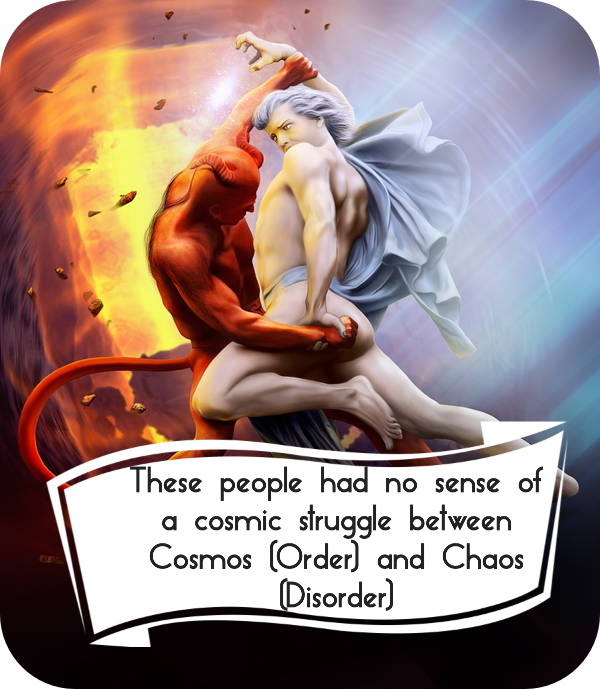
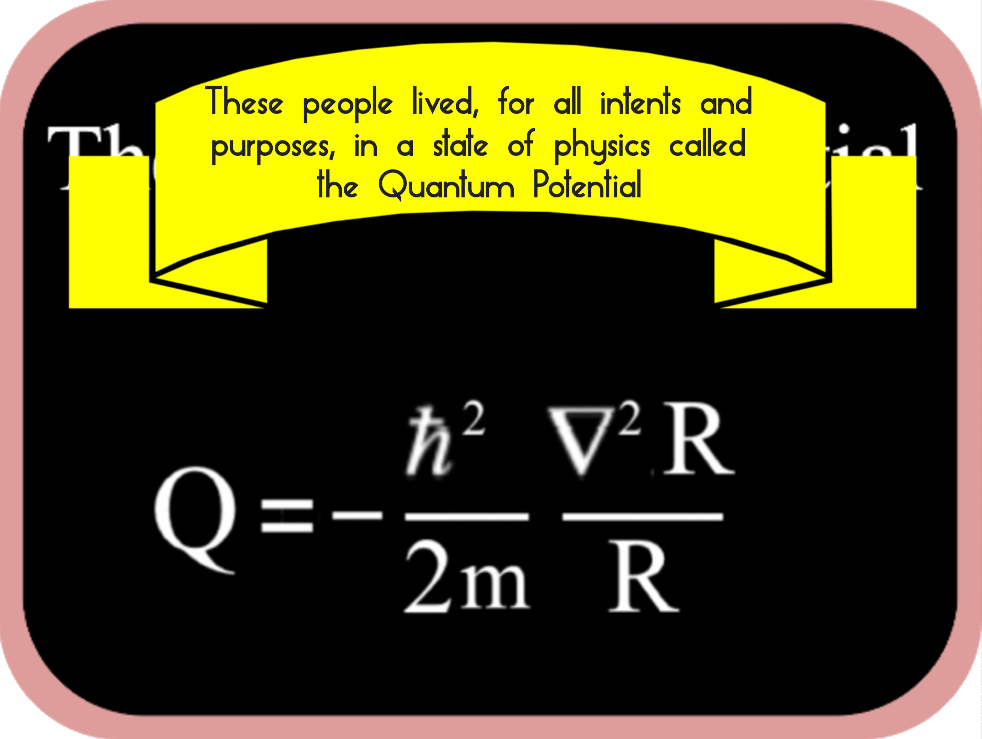
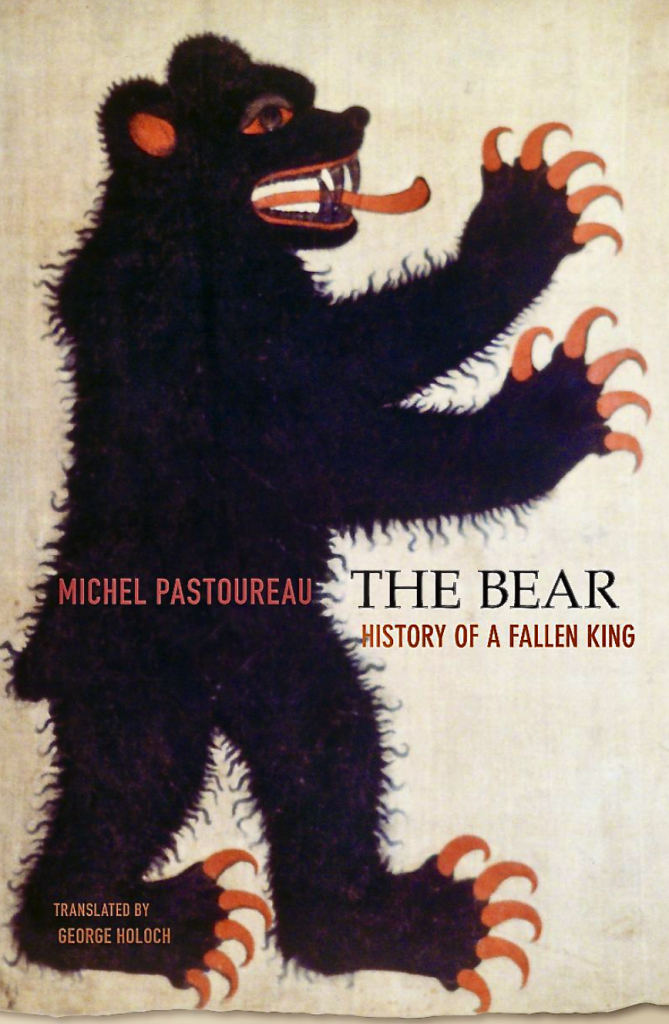
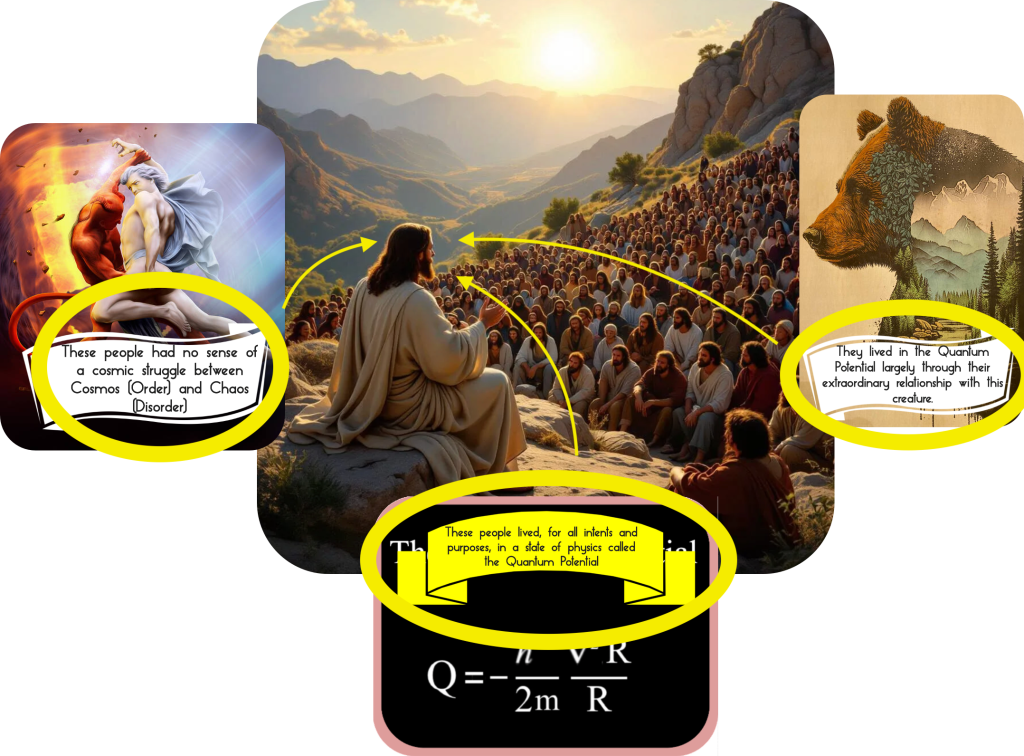
In the meantime, let me tease you with the three images to the right. They are a preview of where I am headed.

My thesis is that Jesus of Nazareth lived in the state of being — state of reality — depicted in these three images

Before you dismiss this as horseshit — hear me out. You might be in for a surprise. You may also find your appreciation and faith in Jesus enormously strengthened — it may enter a new dimension of consciousness.

The Ruler: The Great Trashing

Another view of The Great Forgetting which turns into The Great Trashing — trashing of any memory or vestige of the human enterprise prior to 8,000 BC

The Greeks (see, for instance, Socrates and Aristotle) were especially skilled at this trashing, deeming everyone and everything that happened prior to the appearance of the Greek pantheon as barbarism among barely-human specimens on the intellectual level of wild beasts

The Greek epithet, “barbarian,” morphed into the derogatory concept of “prehistoric man” who, by definition, is “savage,” “primitive,” and “bestial.[18]Pronounced “beast-ial.” Withal, “subhuman.” The “primitive” became a fundamental principle embedded in the psyche of western and eastern civilization. As these articles come to pass, I will show you who, in fact, these so-called primitive prehistoric people truly were.

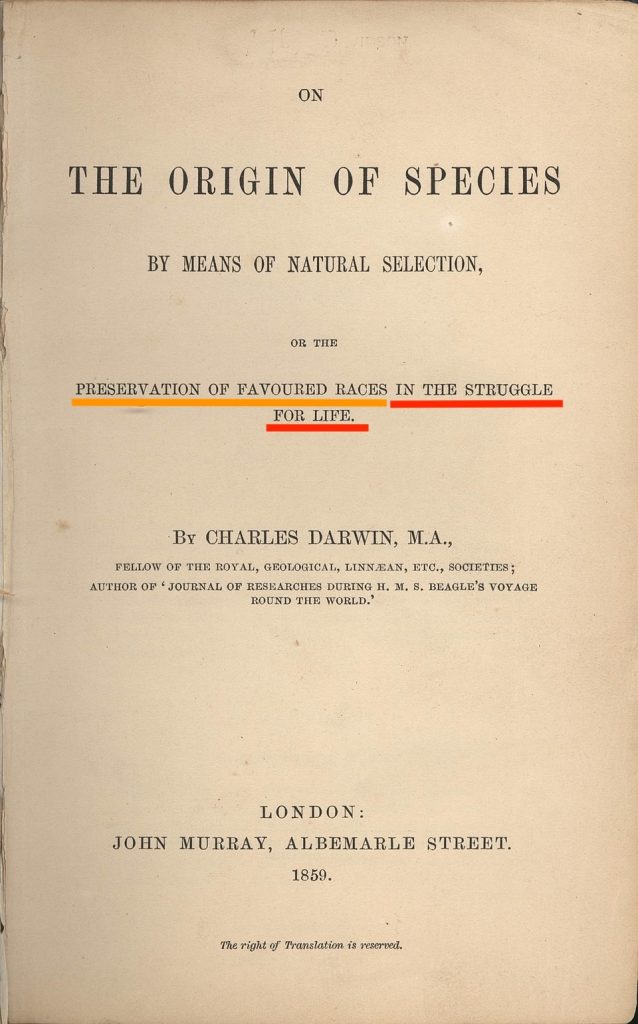
To this day, archaeologists refuse to acknowledge our Pleistocene ancestors as full, complete human beings. Archaeologists call them “hominins” or “hominids” — basically, “human-shaped animals.” Charles Darwin’sOrigin of Species” didn’t help matters. (Notice the “preservation of favoured races in the struggle for life” in Darwin’s subtitle. There was, in fact, no credible struggle, as I shall demontrate.)

Charles Darwin
Click image to open link
Facebook
X
LinkedIn

References

References
1 Thomas Hobbes, Leviathan.
2 Pronounced “Jew-day-an.”
3 Pronounced “Ache-in-son.”
4 Pronounced “Gat-tez.”
5 Pronounced “Zara-thoo-stra.”
6 Pronounced “Zoro-ass-trianism.”
7 Pronounced “Plice-toe-seen”
8 Pronounced “Knee-ander-thalls.”
9 Pronounced “Yung.”
10 Pronounced “Eyes-lee.”
11 Pronounced “Bab-il-on.”
12 Pronounced “Jer-a-ko.”
13 Means “around” in Latin, pronounced “sir-ka.”
14 Pronounced “bab-il-own-ian.”
15 Pronounced “Gill-gam-esh.”
16 Pronounced “Enoom-a E-leash.”
17 Pronounced “Yaw-way.”
18 Pronounced “beast-ial.”