RiverCityMalone.com

On the issues that matter in Malone NY (USA)

Have you ever met a saint?

Part 5:

Jesus: The Problem of Optics

Picture of Calvin Luther Martin, PhD

Calvin Luther Martin, PhD

April 6, 2026

Historical Optometry

If you wear glasses, you are familiar with the strange pair of glasses on this child. They are called a trial frame: glasses used by optometrists to check vision and determine, by inserting lenses in front of each eye, what degree of visual correction is needed. 

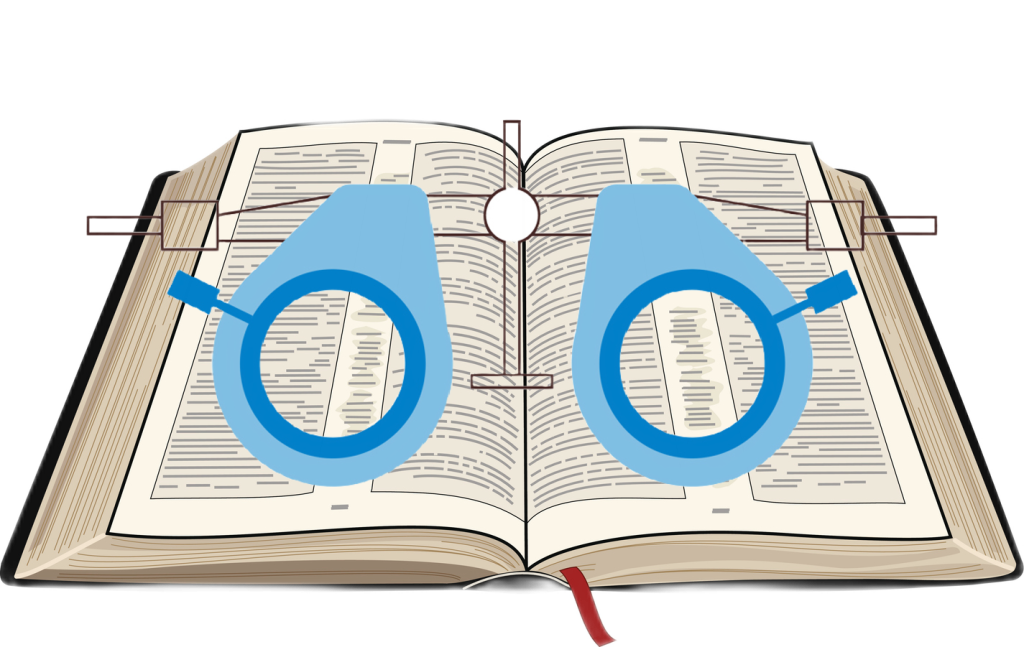
I have shown a schematic of these glasses in the image on the right. Note that the removable lenses are shown with little finger tabs to facilitate removal and insertion. 

It’s fair to say that we all look at Jesus through carefully selected lenses. I do just as much as you do.

What I propose to do, below, is examine the optics we bring to bear in our understanding of Jesus of Nazareth. That is, what lenses do we view him through? 

Notice the rows of lenses in the image to the left. Then notice the pair of trial frames superimposed on the box of lenses. Note that there are no lenses in the frames as yet. 

In a sense, what I’m trying to do in these articles is bring you back to the point in your life when all you had was a pair of trial frames — with no lenses inserted on the subject of Jesus of Nazareth. That is, no lenses inserted by your parents or by our culture

The child, before we add the trial frames and insert lenses

By definition, this would take you back to your early childhood. This is precisely where I want to take you, precisely where you should be as you read these articles. I remind you; this is where Jesus himself seems to have wanted you to be in your understanding of him. 

The question becomes: When do we attach trial frames to our children, and what lenses do we insert in these frames? And when do the "trial frames and their lenses" become permanent?
The Historical Optometry on Jesus

If I counted correctly, there are 98 lenses in this box. For the purposes of this discussion, let’s say each lens represents a distinct narrative about Jesus, whether it’s one of the four Gospels (Matthew, Mark, Luke, John) or the epistles (letters) of Paul, Peter, or whoever.

So, if we start counting the lenses from the right-hand side of the box and we begin with the first lens in the row (this would be the lower right-hand corner of the image: see the yellow arrow), we have our first account of Jesus of Nazareth. That is, we have our first historically verifiable account of Jesus

Do you know who was the first person to write about Jesus?

Now, be honest with me: How many of you thought it was the Gospel writers (Matthew, Mark, Luke, John)? Can I see a show of hands?

I thought so! Most of you!

Scholars are nearly uniformly agreed that the four Gospels were not written until sometime after 70 CE — at least 40 years after Jesus’ crucifixion

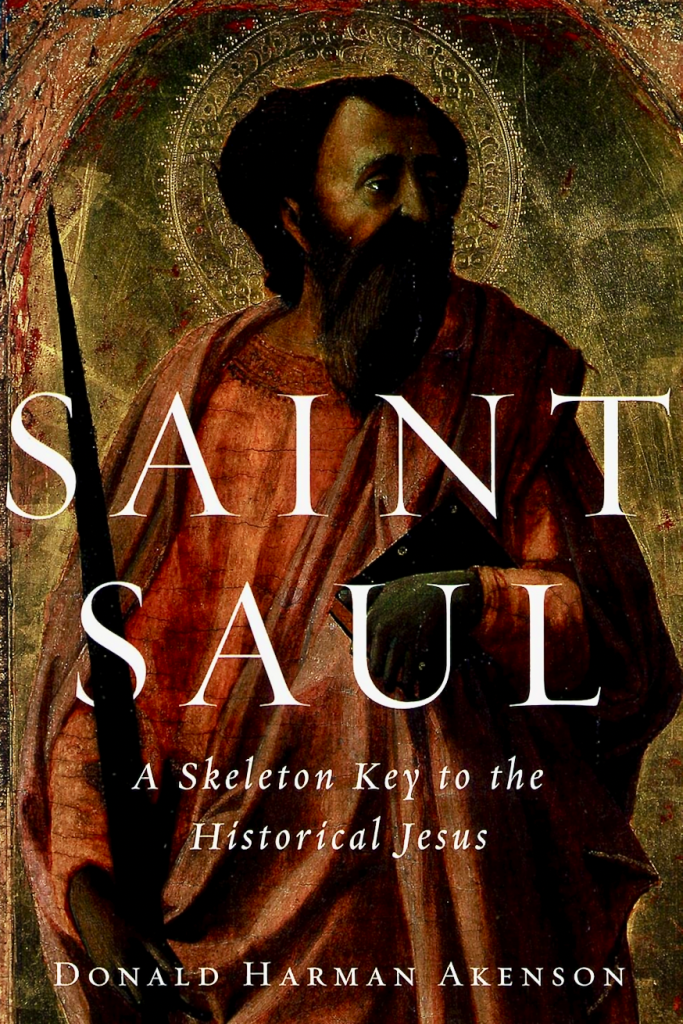
“Everybody who wrote anything at all plausible about Yeshua’s [Jesus] life did so forty to eighty years after his death” (Prof. Donald Akenson, “Saint Saul”).

Note that Prof. Akenson refers to Jesus by his real Jewish name, Yeshua,” which he suggests was likely shortened to “Yeshu” in Galilean Aramaic. (“Jesus” was derived from the Greek and Latin form of “Yeshua.”)

Click on the book cover to read about the book.

Full stop!

Forty to 80 years after Jesus’ death?!

This means the Gospel writers (Matthew, Mark, Luke, John) were looking at Jesus’ life through binoculars — does it not?

Why did it take at least 40 years, you ask?

The question is more than fair. It is unavoidable.

I will answer it as best I can.

I start off by pointing out something very important: Every story, every detail, in fact everything we know about Jesus’ daily life – what he said, what he thought, what he did – comes to us from the Gospels of Matthew, Mark, Luke, and John. That’s it! 

Paul, Peter, James, John, and Jude, in their letters that follow the Gospels in the New Testament, give us virtually none of this information. Nor does the Acts of the Apostles.

Paul, Peter, James, John, and Jude — insofar as they say anything about the actual life of Jesus of Nazareth — focus almost exclusively on the significance of his death and resurrection. They provide no substantial information about his daily life or teachings

Paul built his entire ministry on the resurrection. The other commentators listed above, who clearly followed Paul chronologically, appear to have followed Paul’s focus and thesis in their own letters

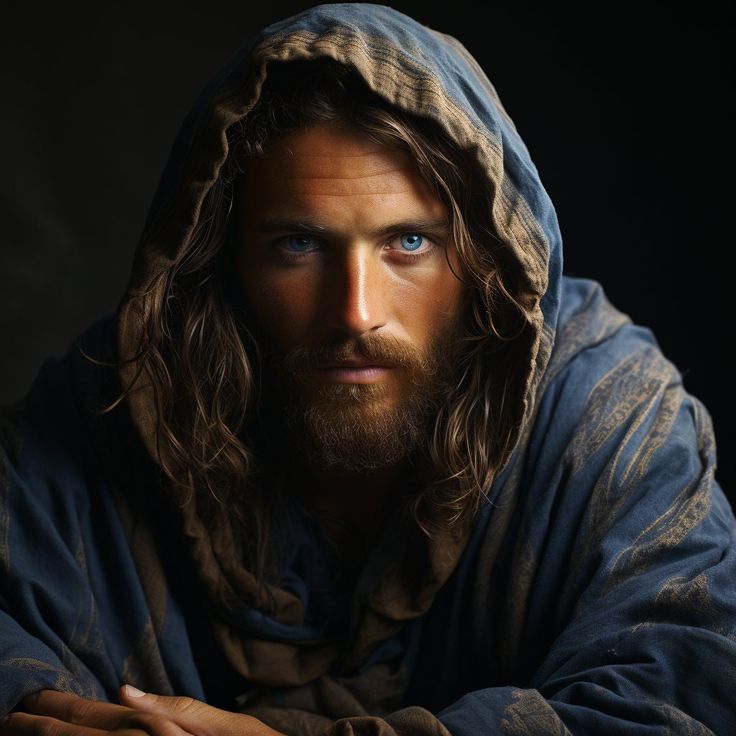
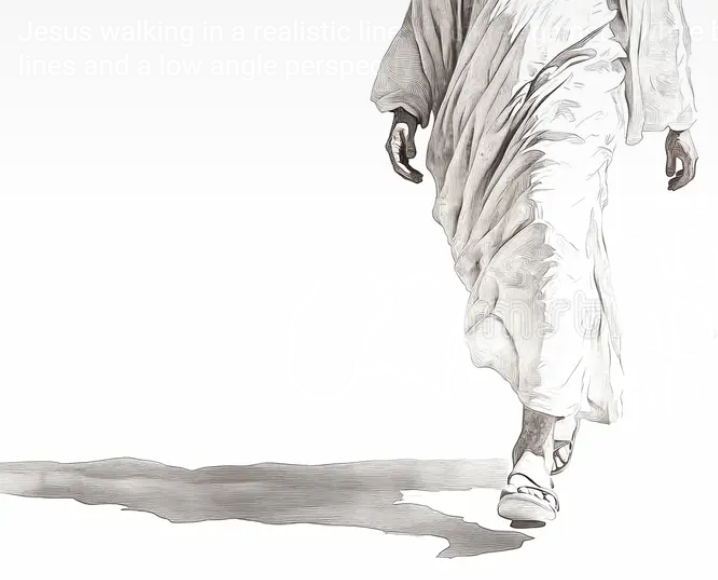
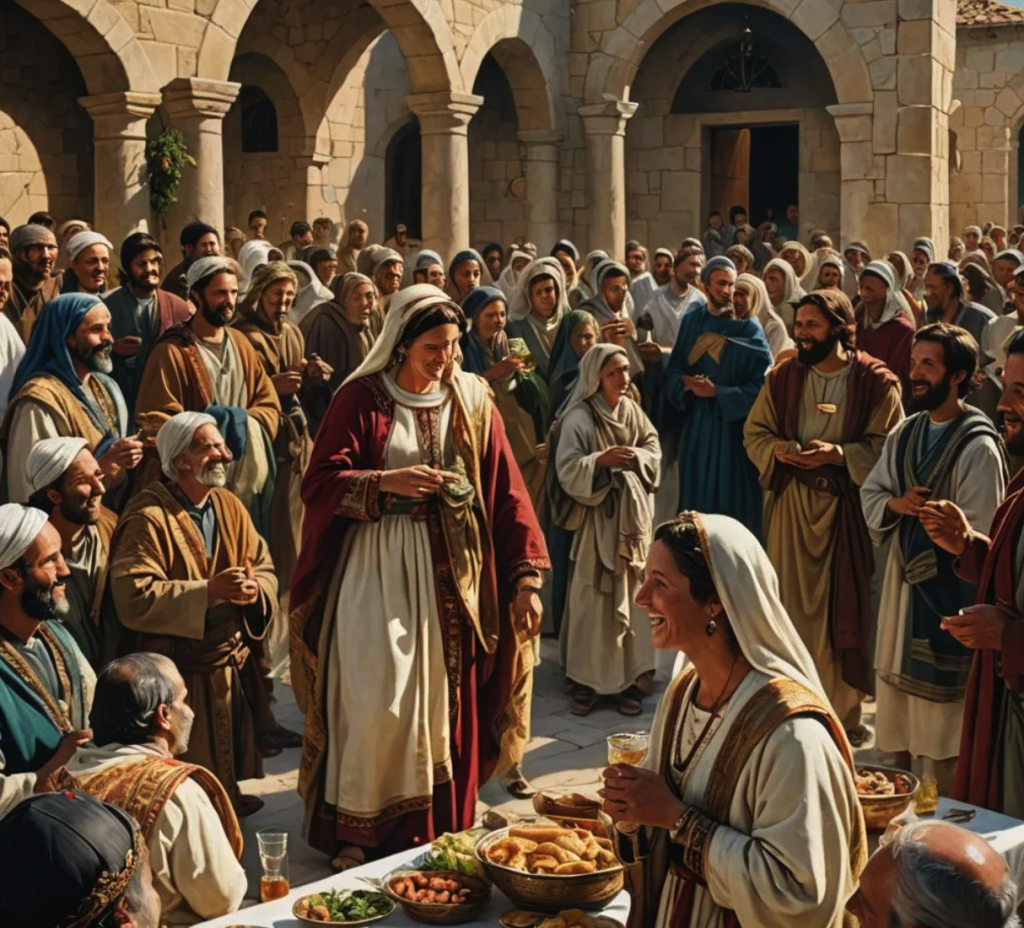
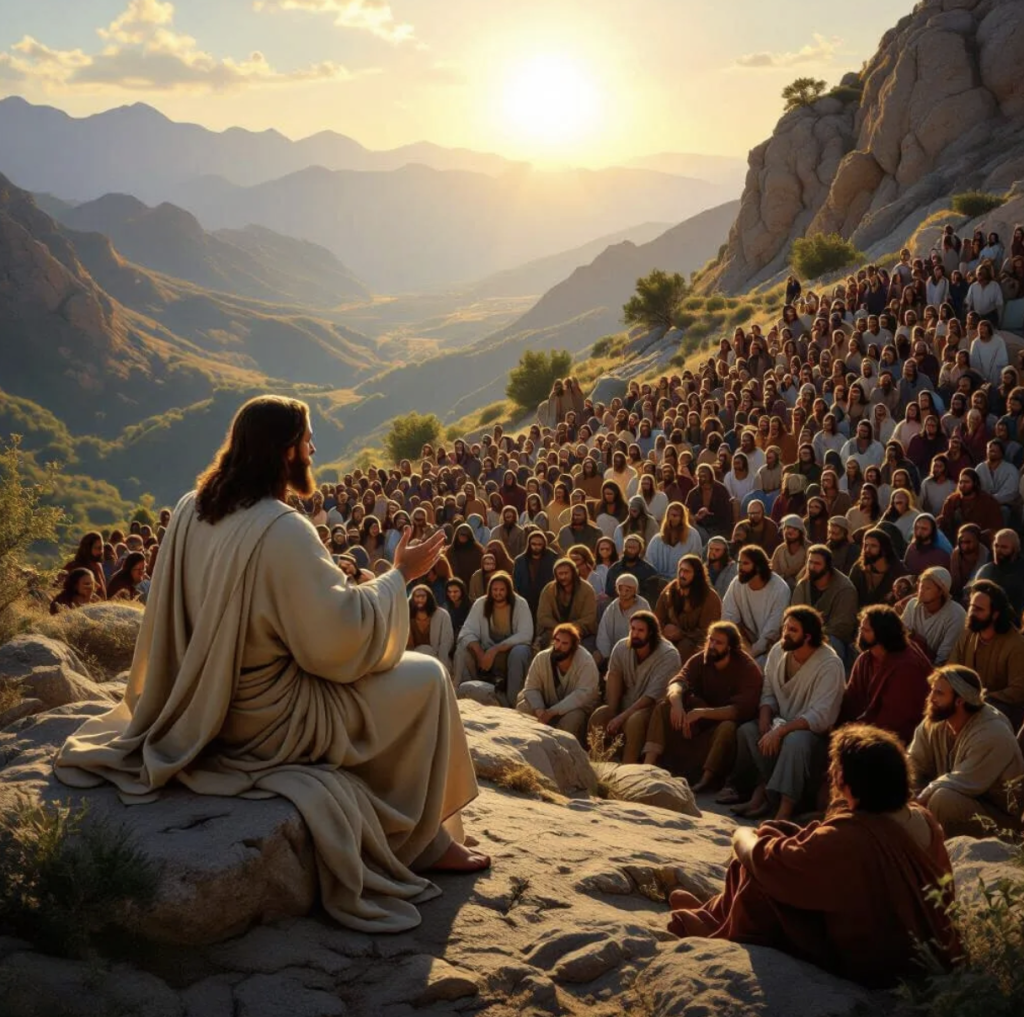
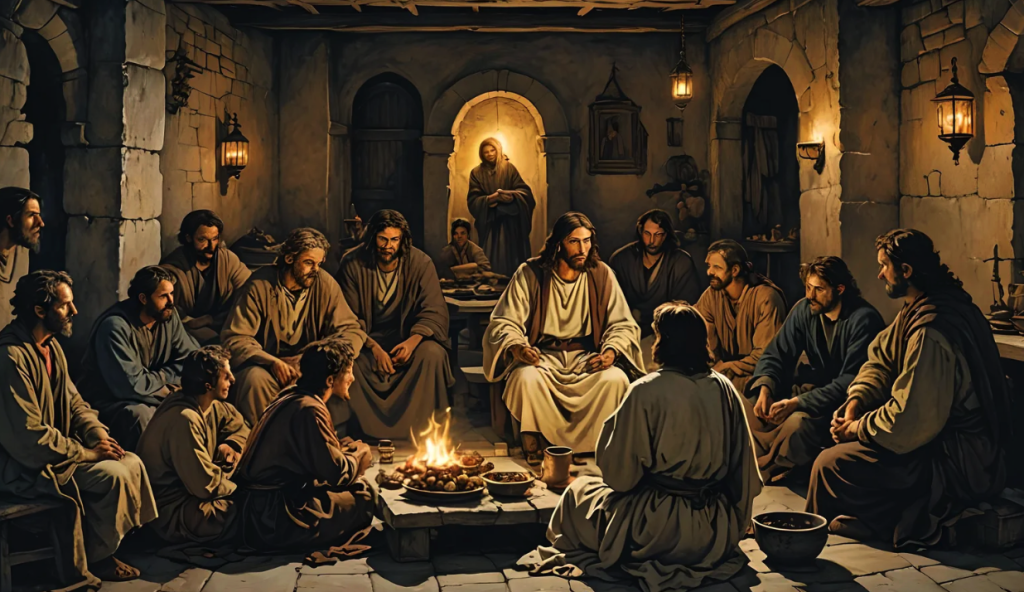
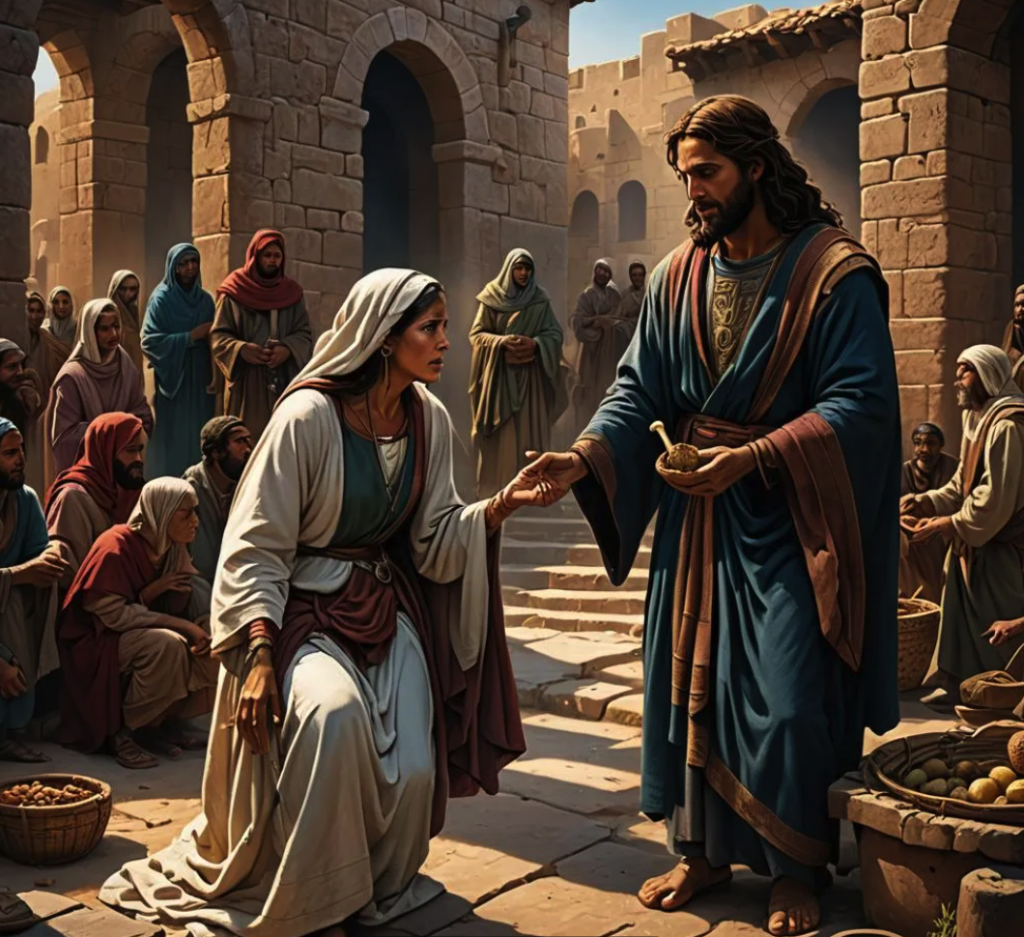
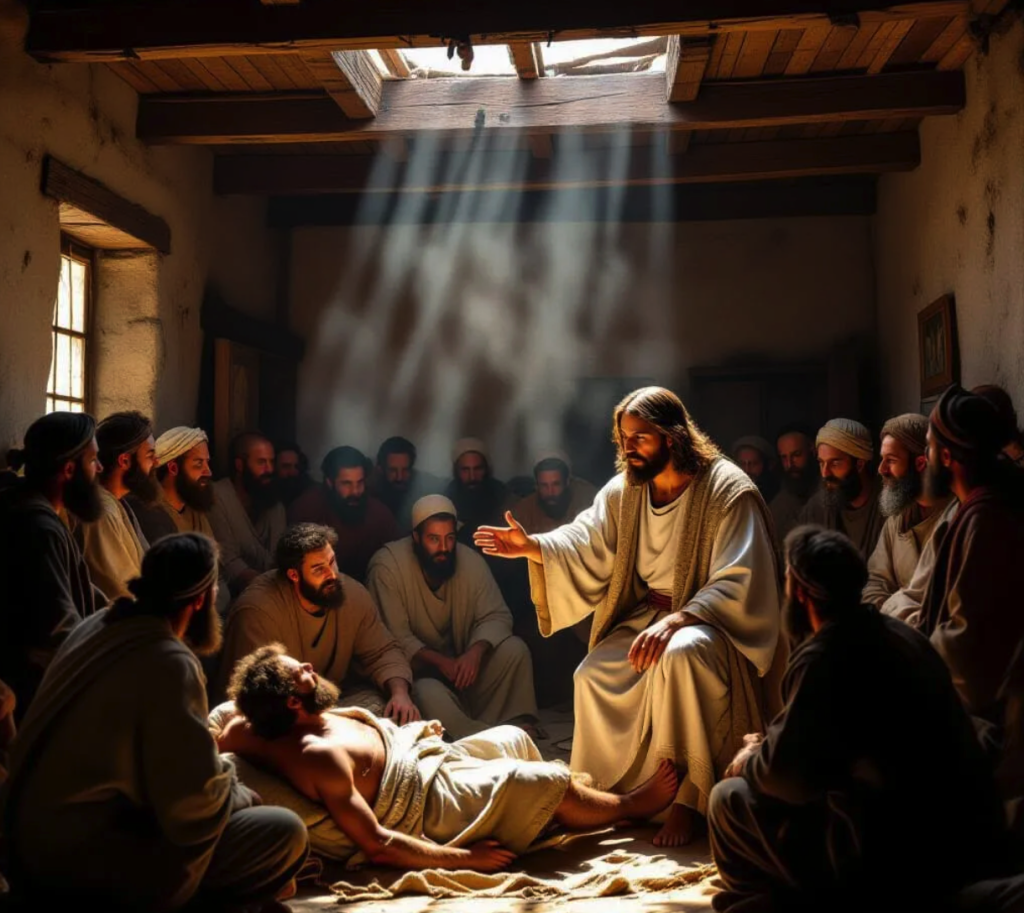
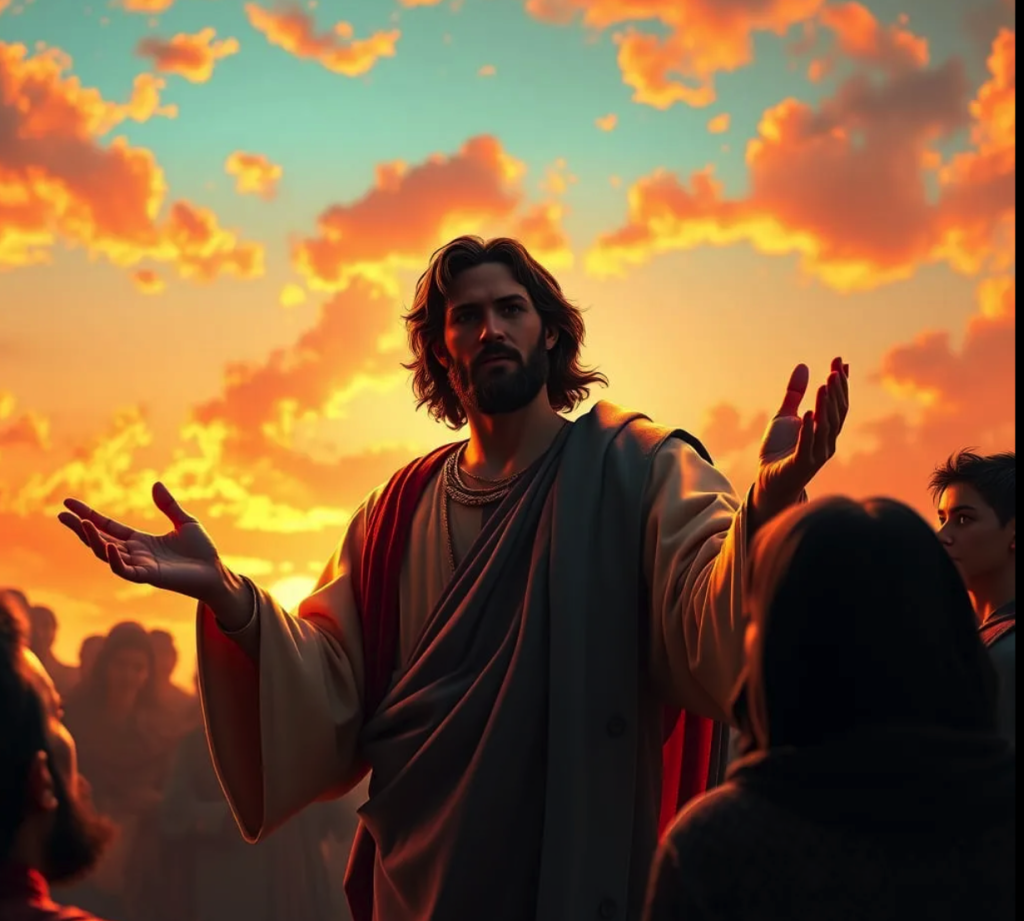
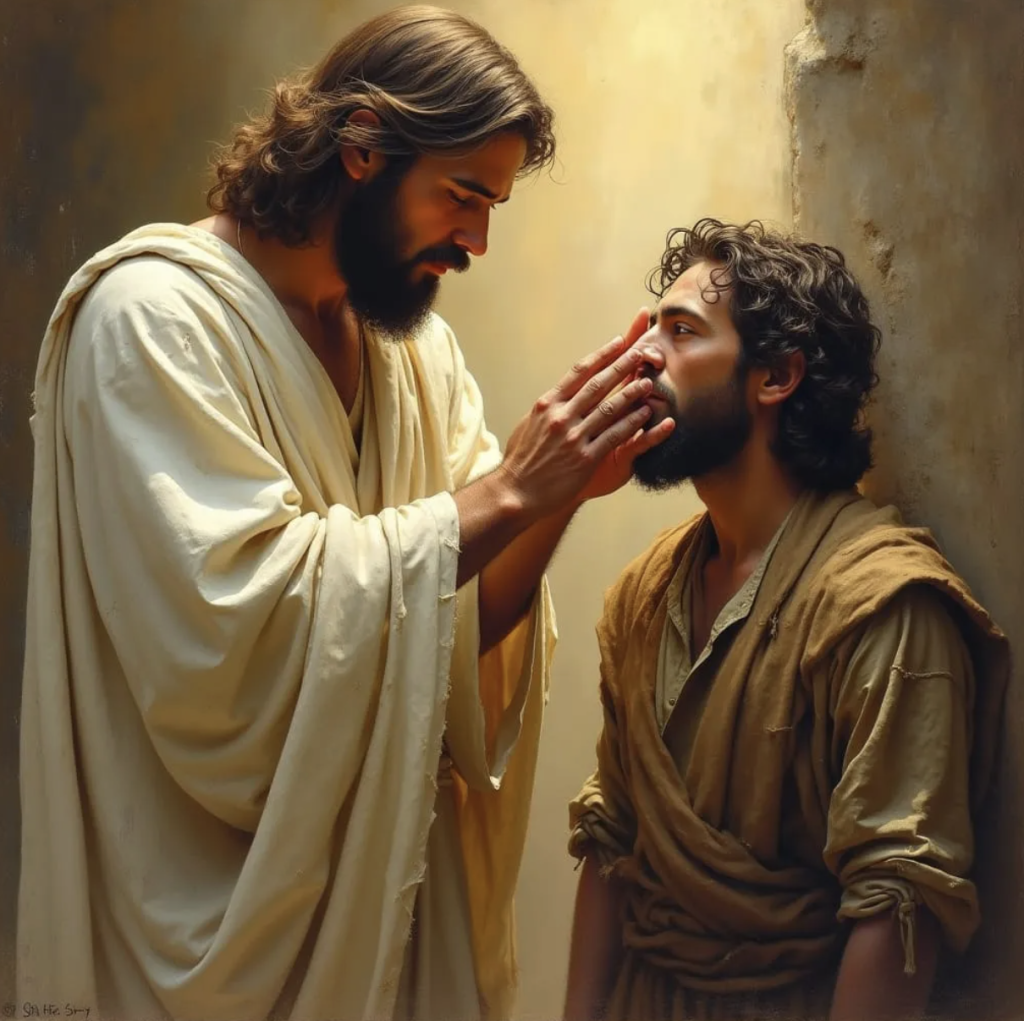
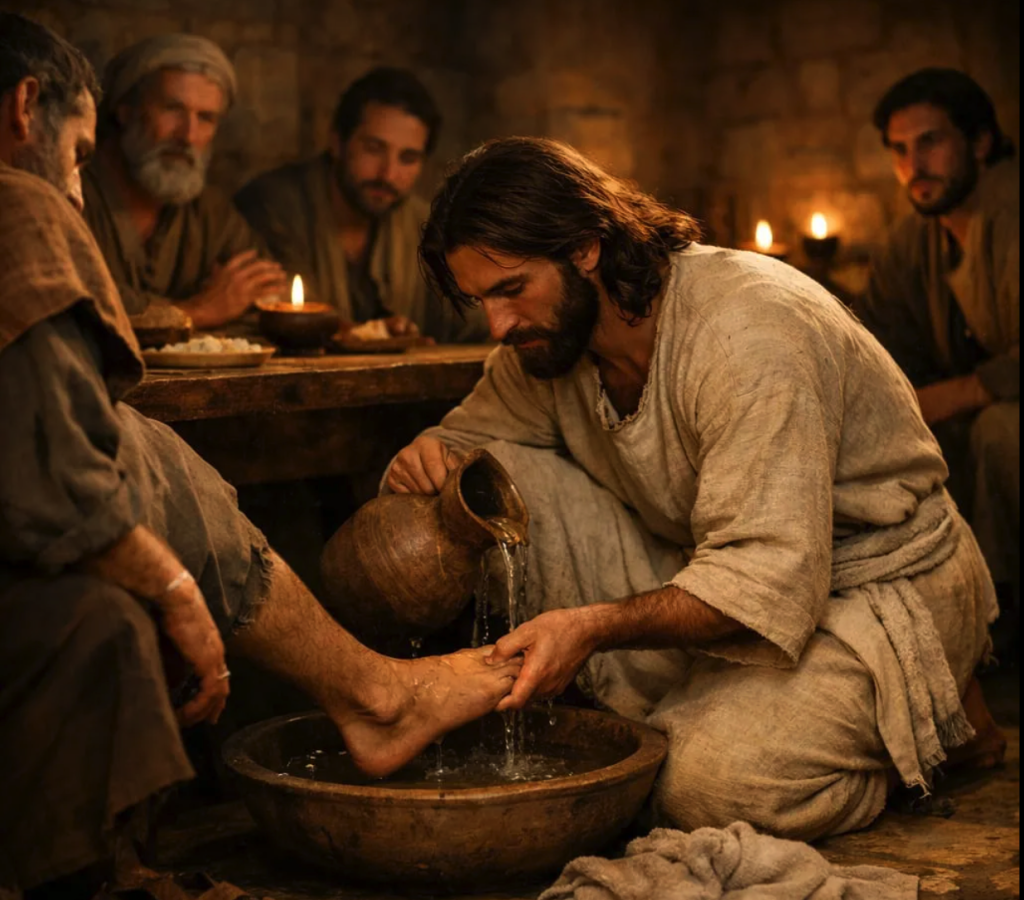
With all this in mind, join me in examining these scenes from the daily life of Jesus. They are wonderful. They are heartwarming. They are taken from Matthew, Mark, Luke, and John.

At the risk of being tedious, I repeat what I said above. No other New Testament source gives us these stories. (I express my gratitude to the artists who created these images.)

Jesus at the wedding feast in Cana.
Preaching to a multitude who followed him out into the desert.
The boy who offered Jesus his lunch to feed 5,000 people.
Teaching his disciples.
The Canaanite woman who begged Jesus to heal her daughter.
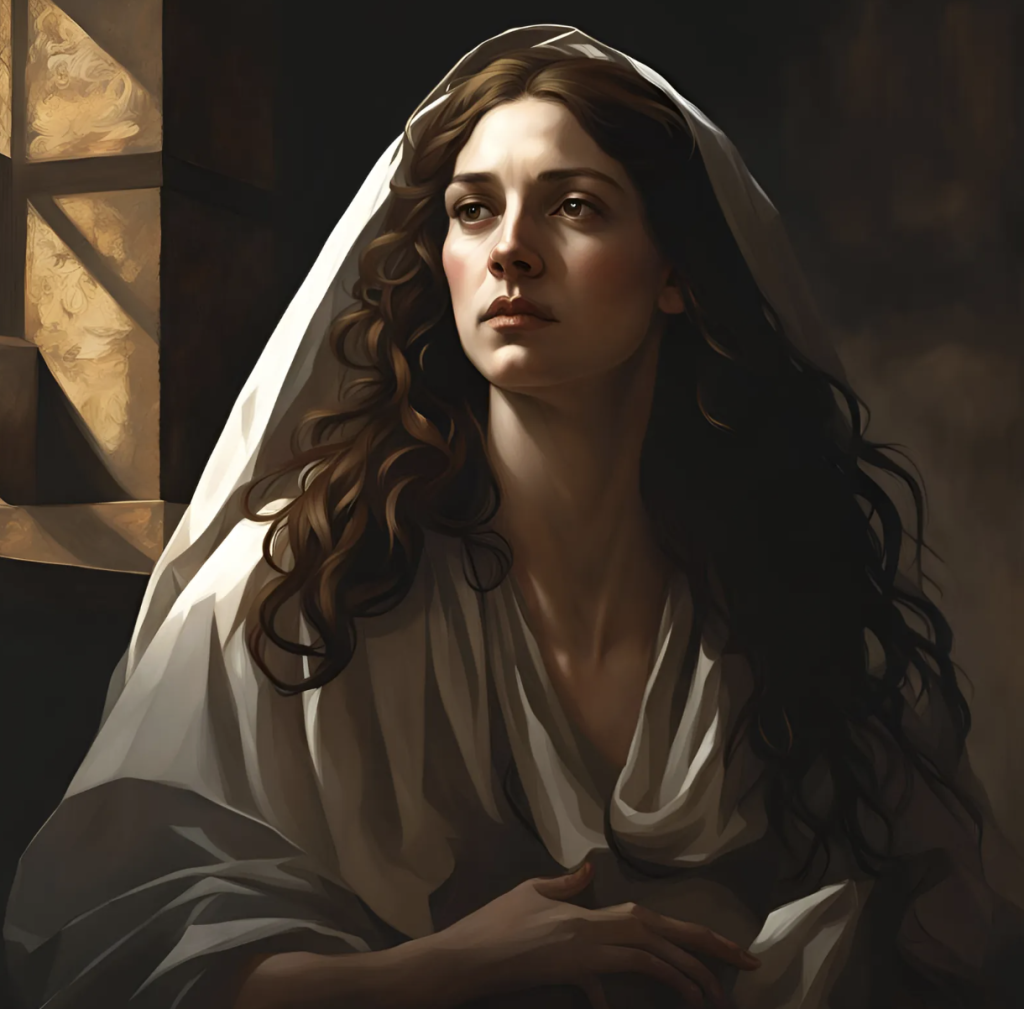
Mary from Magdala (Mary Magdalene)
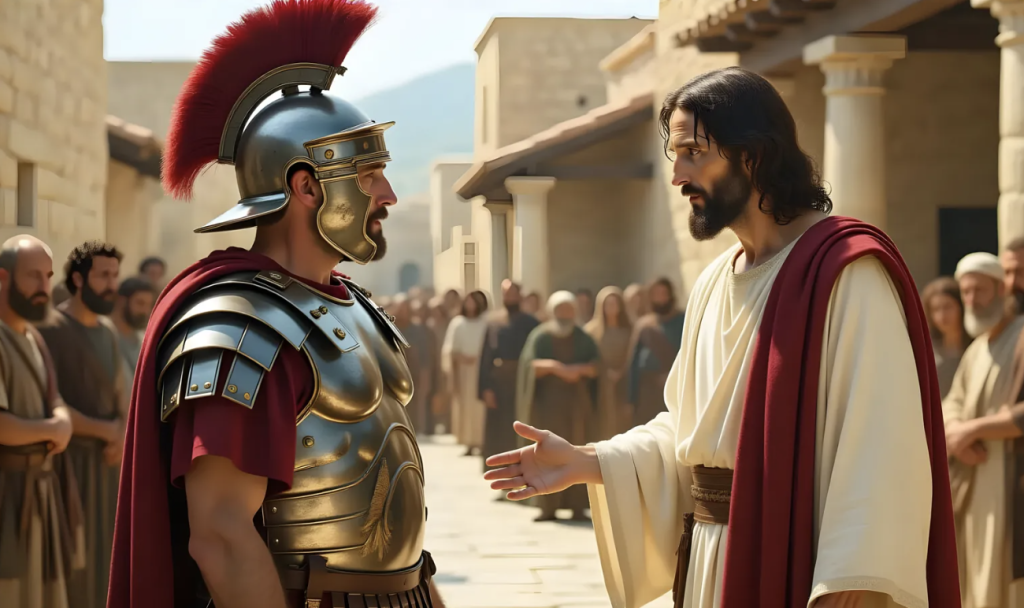
Jesus and the centurion, who knew Jesus could heal his servant by simply speaking the words.
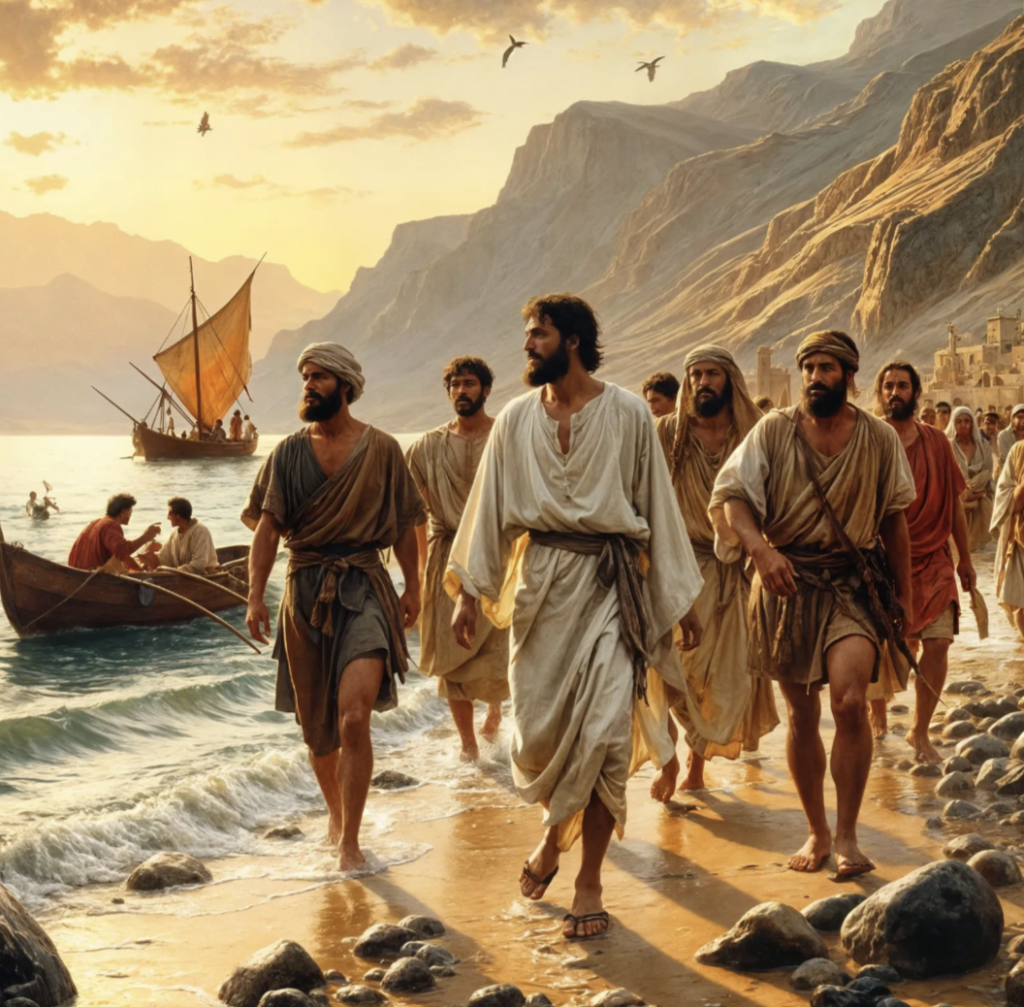
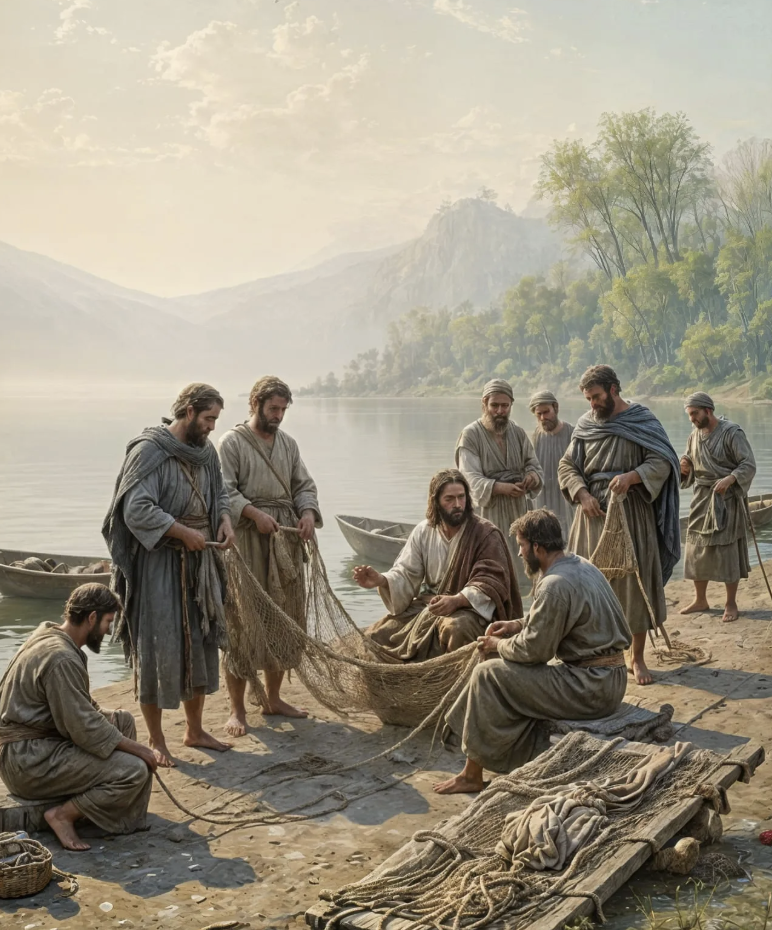
Jesus and his fishermen disciples.
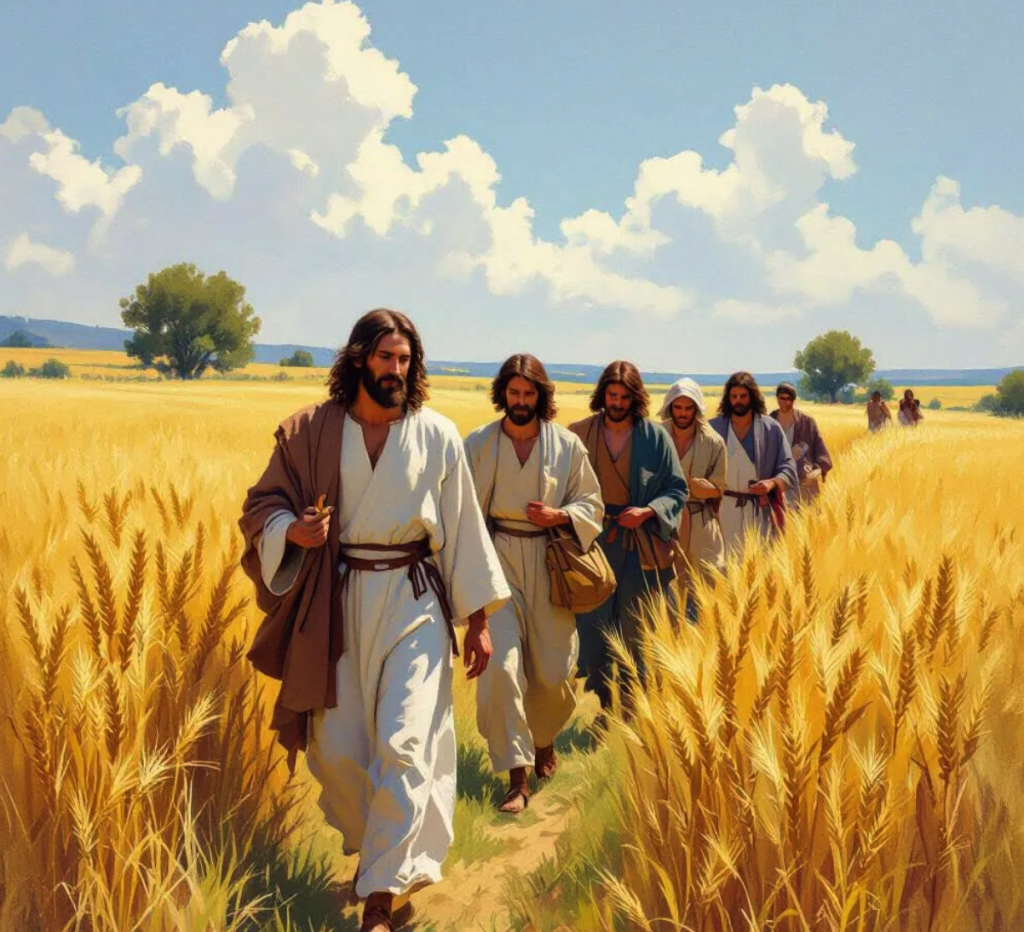
Jesus walking through a field of grain with his disciples.
Healing the sick.
Preaching the Good News (Gospel).
Healing a blind man.
Washing his disciples' feet.
Photograph of the Sea of Galilee.
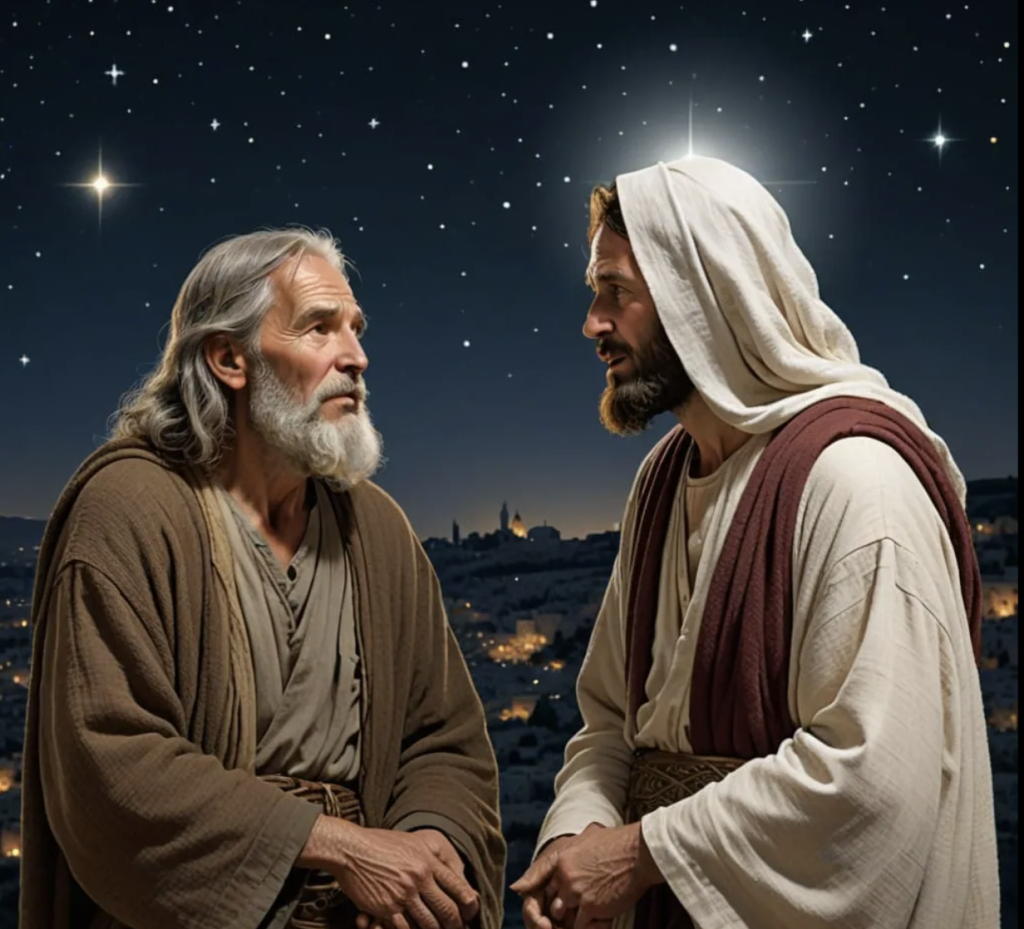
Jesus and Nicodemus, the Pharisee who believed in him and to whom Jesus said, "You must be born again."
Jesus and the fishermen.

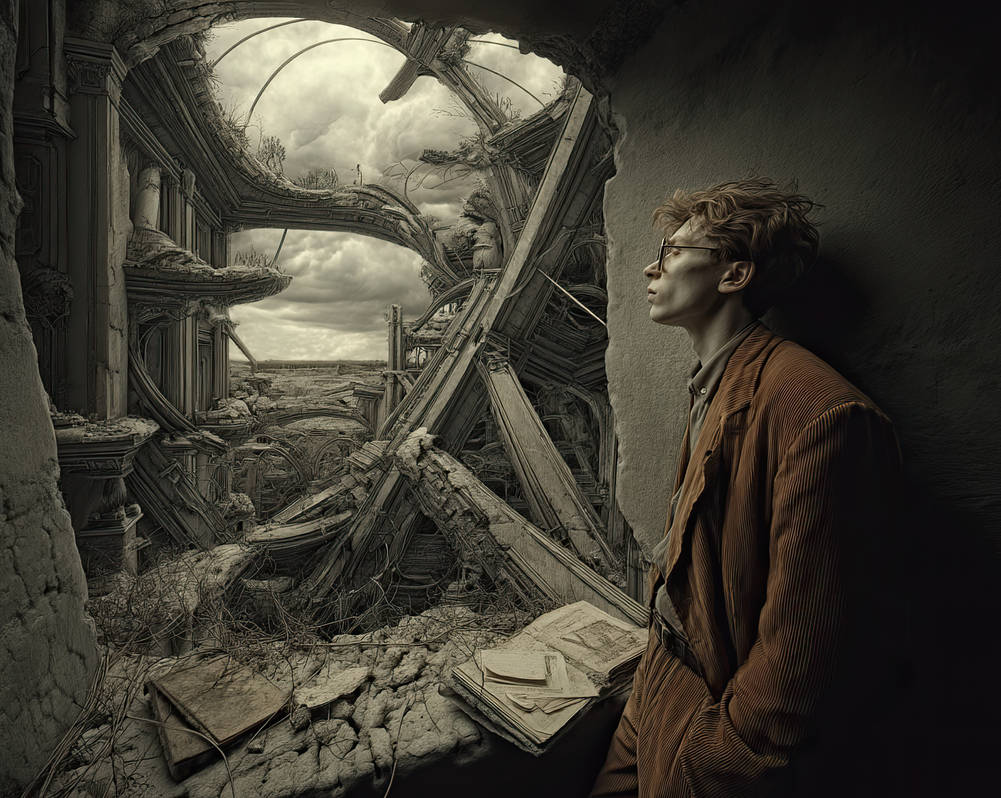
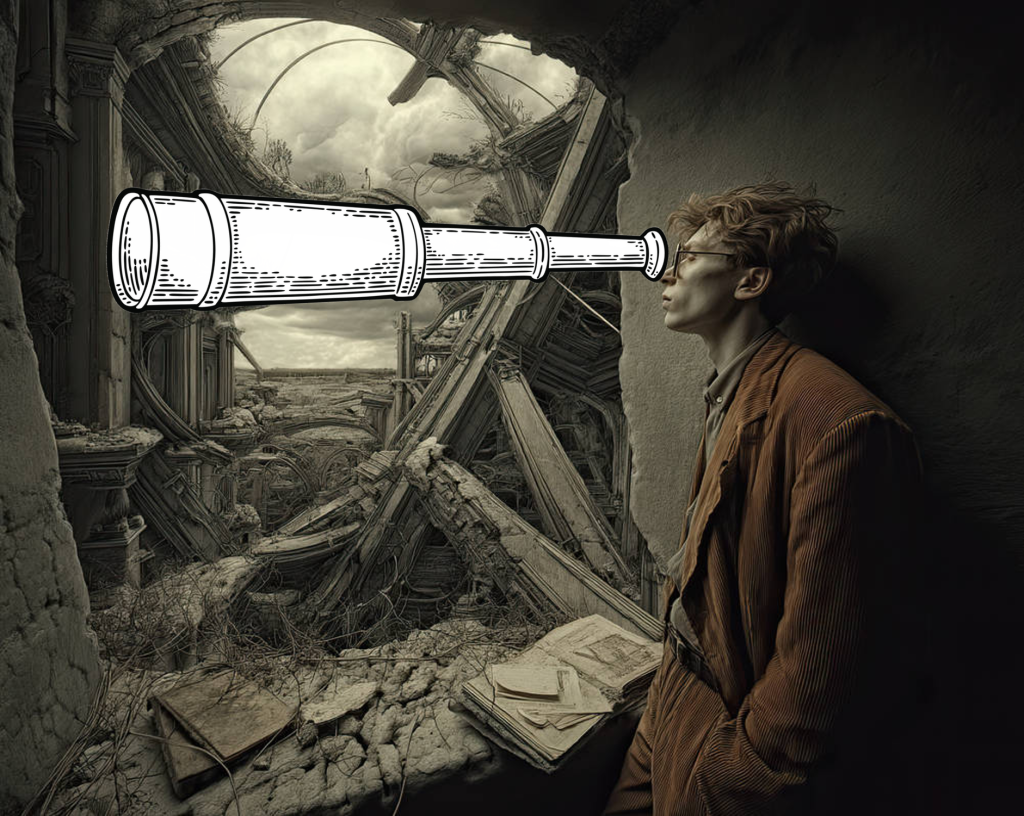
Now, take a deep breath and fast forward 40 years to this young man contemplating an appalling reality.

Fast forward 40 years
0

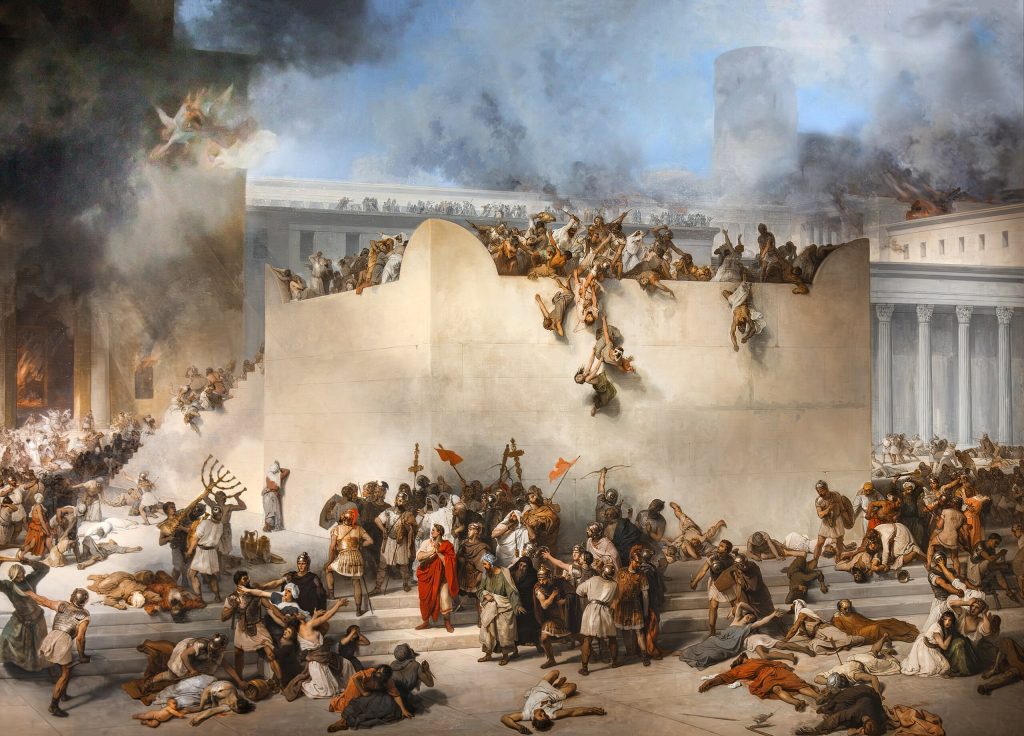
Well over 1 million Jews (men, women, children) slaughtered by a Roman army, 66-70 CE. Plus at least 5500 taken as slaves and probably hundreds of thousands who fled Judaea. Villages and towns sacked and burned, especially in Galilee. Jerusalem: sacked, burned, and utterly destroyed.
Let me put this into some perspective. One million, one hundred eighty-eight thousand, one hundred people would be the population of Tucson, Arizona in 2025. Thus, imagine Tucson wiped off the face of the earth. Judaea, at the time of Jesus, was a Roman province approximately the size of New Jersey

(Let’s go outside and have a smoke — to calm our nerves and try and wrap our minds around this.)

Okay, back to the young man in the image, above. Pretend he is one of the Gospel writers. Matthew, Mark, Luke, or John. (Let’s say it’s Mark, since he seems to have written the first Gospel account.

Thus, imagine Mark, who would not have been a young man by the time he composed his Gospel — imagine him surveying the aftermath of what is clearly a holocaust, as the young man in the picture is doing.

Now, look at the image below

Tell me, how would someone who sets out to write about the life of Jesus put together the narrative when the author is forced to look through a lens of forty years during which well over a million Jews were slaughtered? (I repeat, I’m talking about men, women, and childrennone of them soldiers.)

How does one put into words those glorious years, the lovely memories of the life of Jesus of Nazareth, while looking through an ocean of blood? (Even parts of the Sea of Galilee, where Jesus is said to have walked on the water and calmed a storm, were said to have turned red from the bloodshed. The stench of bloated, putrefying bodies was nauseating.)

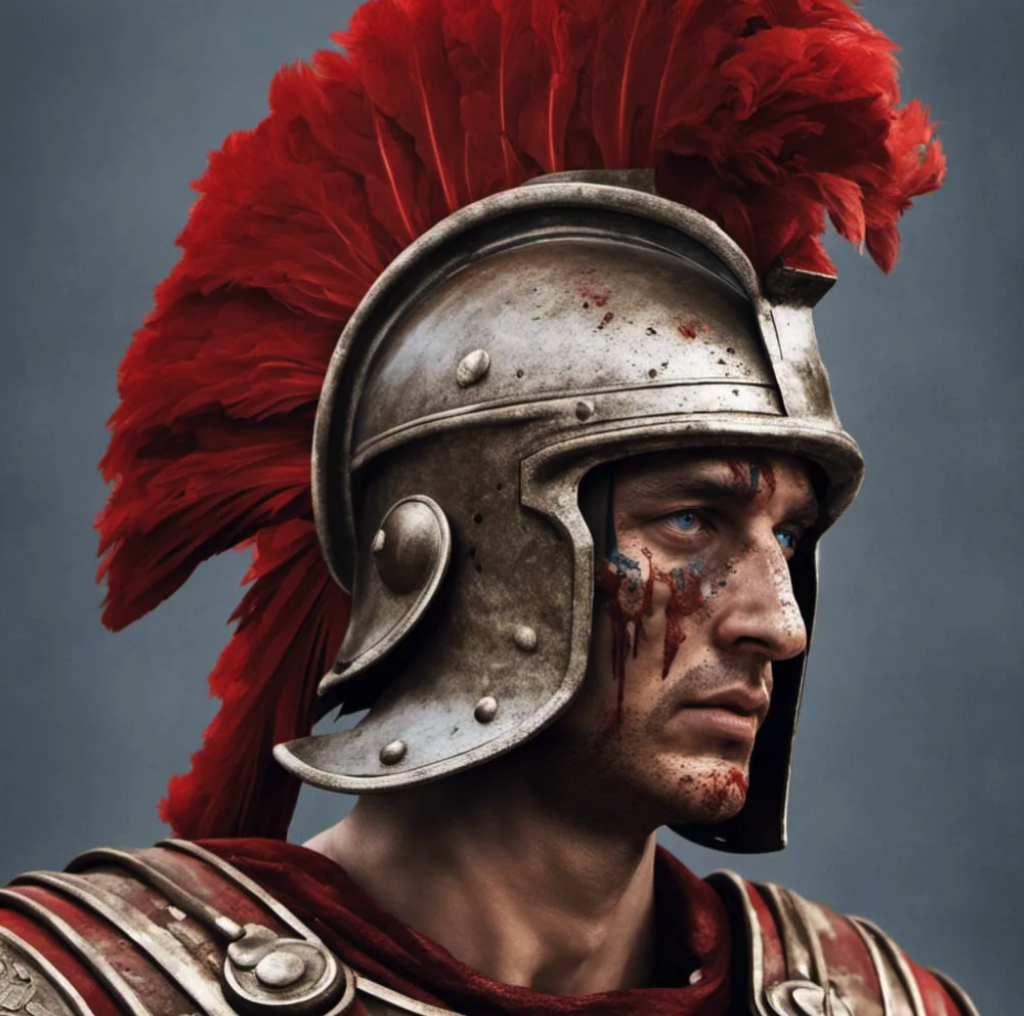
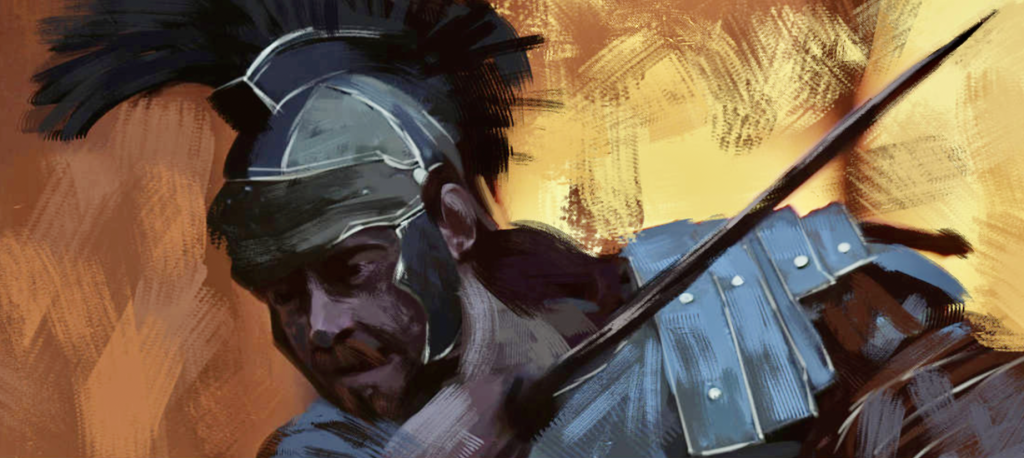
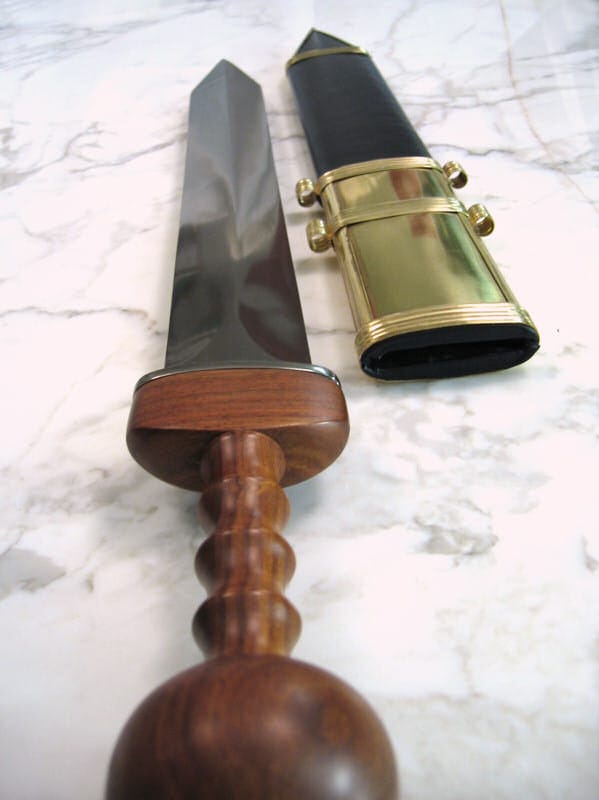
These are replicas of the swords that were used by the Romans — called a “gladius.” In the images, here, the scabbard would of course have been for a senior officer, such as a centurion. Very sharp, thrusting sword. I repeat: men, women, children

The Gospel According to Mark: It’s probably the first Gospel written, as I keep saying. There is a good likelihood Mark (whose real name was John Mark) got much of his information about Jesus from Peter.

Let me clarify: Mark was not one of the original disciples. He was an evangelist who traveled with Peter and, later, Paul and Barnabas.

Using the image of a candle as I have done above, imagine there being complete darkness for you and me, two thousand years after Jesus lived — complete darkness about what he did and taught. Complete darkness, that is, until Mark wrote his narrative. With this monumental event, a candle is lit in the darkness of Jesus’ actual day-to-day life, and I would add, his real meaning

Luke and Matthew appear to have copied, nearly verbatim, Mark’s text, with Luke perhaps also copying some material from Matthew. Such is the prevailing scholarly view.

With this, two more candles are lit. Now there are three candles illuminating the darkness, showing us the Jesus in the stories illustrated, above.

The fourth and final book in the New Testament, the Gospel According to John. The gospel that begins with the riveting lines, “In the beginning was the Word.” 

In the beginning was the Word, and the Word was with God, and the Word was God. He was in the beginning with God; all things were made through him, and without him was not anything made that was made. In him was life, and the life was the light of men. The light shines in the darkness, and the darkness has not overcome it” (John 1:1-5, Revised Standard Version).

In my next article, titled “Chaos and the Gospel,” we will examine the lenses through which Mark and the other Gospel writers viewed the phenomenon of Jesus and why none of them, believe it or not, acknowledged the holocaust.

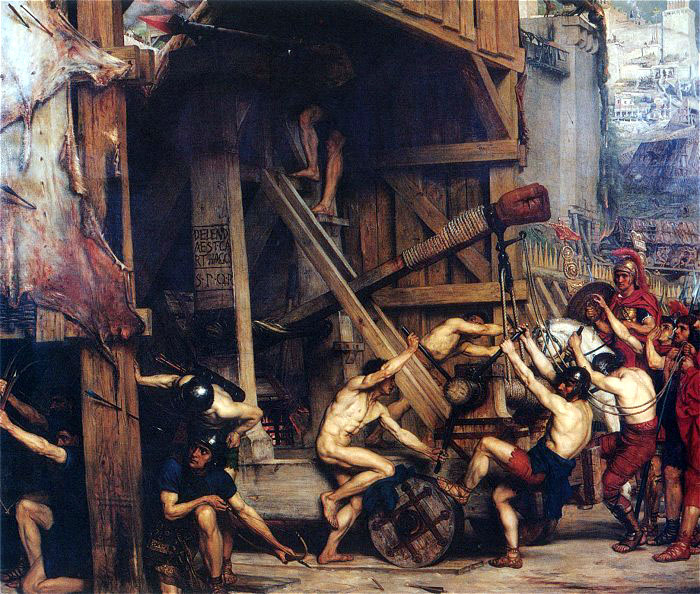
Titus' army laying siege to
Jerusalem, 70 C.E

Facebook
X
LinkedIn